


Understanding Internal Lacquering Machines: A Key Component in Metal Packaging
Internal lacquering machines play a pivotal role in the metal packaging industry, especially for aluminum and aluminum alloy materials. These machines are designed to apply a protective coating on the interior surfaces of metal containers, ensuring that the contents remain safe and uncontaminated. The process of internal lacquering is essential for various applications, including food and beverage
Release time:
2025-11-02
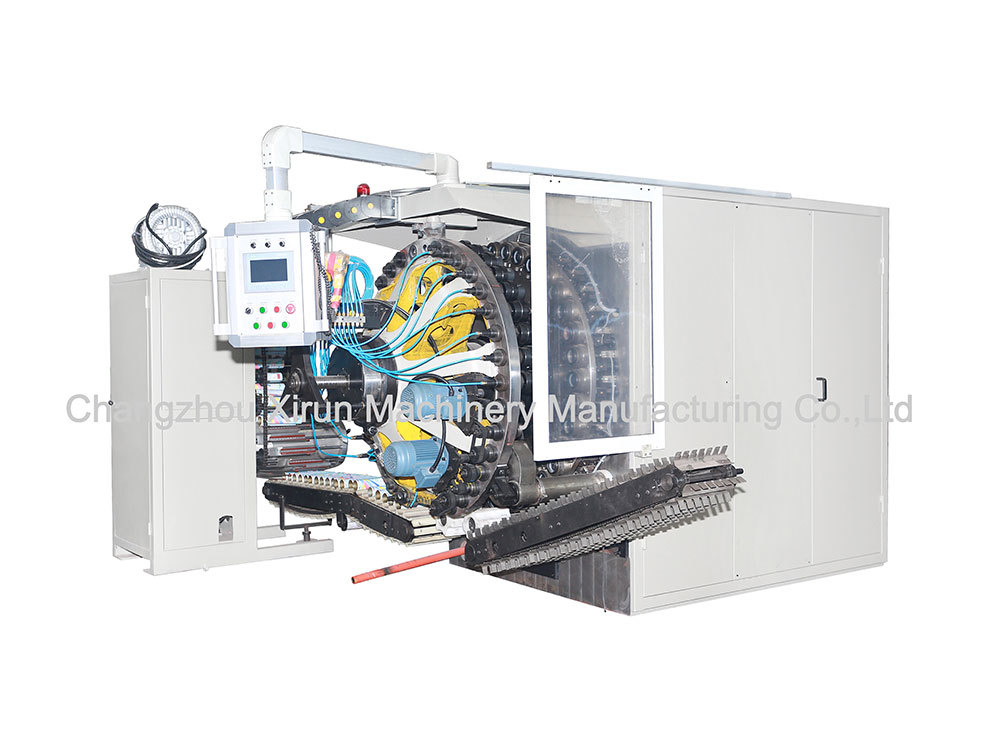
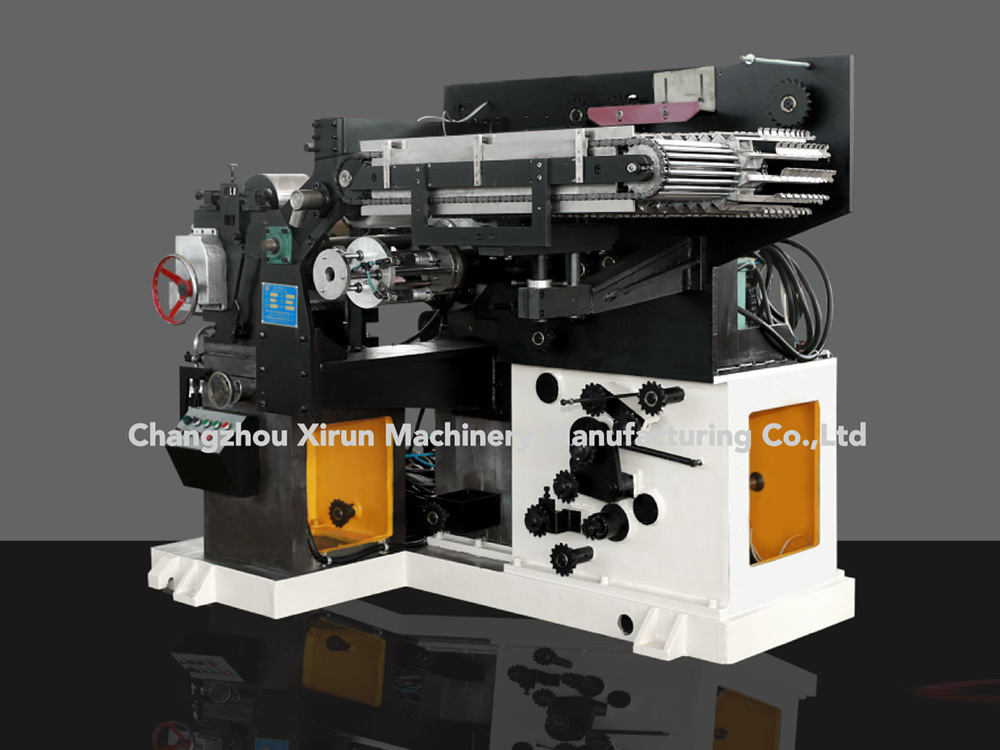
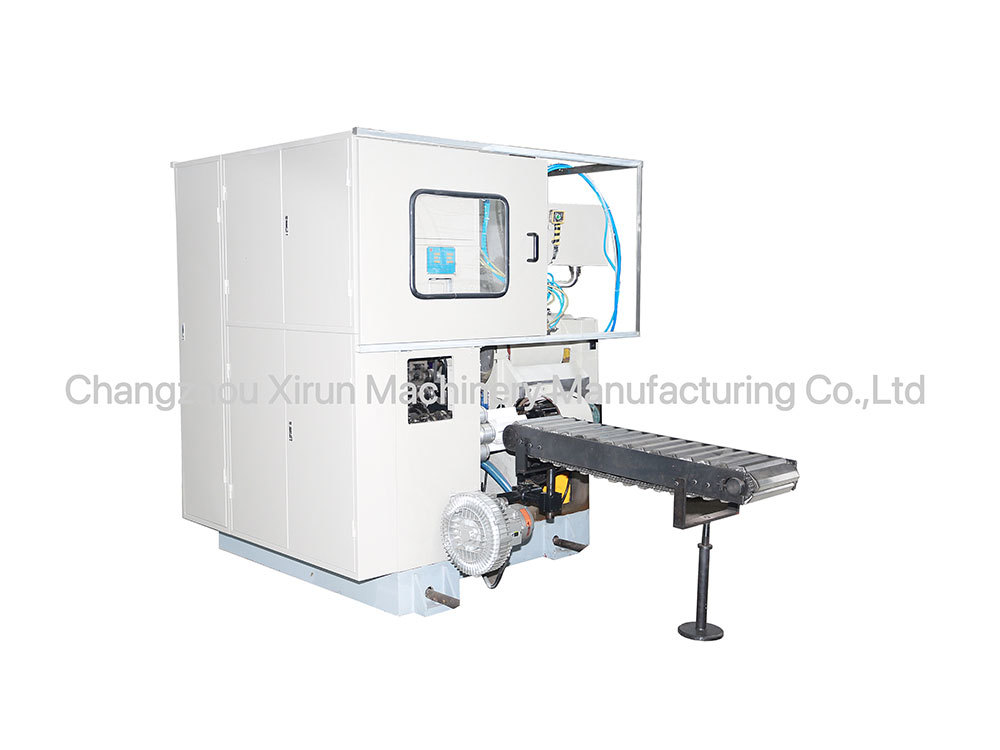
Internal lacquering machines play a pivotal role in the metal packaging industry, especially for aluminum and aluminum alloy materials. These machines are designed to apply a protective coating on the interior surfaces of metal containers, ensuring that the contents remain safe and uncontaminated. The process of internal lacquering is essential for various applications, including food and beverage packaging, pharmaceuticals, and chemical products.
The primary function of an internal lacquering machine is to apply a uniform layer of lacquer to the inside of metal cans, bottles, or other containers. This coating acts as a barrier between the metal and the contents, preventing reactions that could affect the quality and safety of the products. For instance, in food and beverage applications, the lacquer protects against corrosion and contamination, preserving the freshness and flavor of the contents. Similarly, in the pharmaceutical industry, it ensures that sensitive products remain effective and uncontaminated.
One of the key benefits of using internal lacquering machines is their ability to enhance product durability. The lacquered surface provides an additional layer of protection against environmental factors such as moisture, oxygen, and light, which can degrade the quality of the product over time. This is particularly important for products with a longer shelf life, as it helps maintain their integrity throughout distribution and storage.
Moreover, internal lacquering machines are designed to be highly efficient and precise. Modern machines utilize advanced technology such as automated spray systems or roller application methods to ensure even coating without excess material waste. This not only minimizes production costs but also ensures high-quality results, which is crucial for maintaining compliance with industry standards and regulations.
In addition to enhancing product quality, the use of internal lacquering machines can also contribute to sustainability efforts within the packaging industry. By extending the shelf life of products and reducing the potential for spoilage, these machines help minimize waste. Furthermore, many modern lacquers are formulated to be environmentally friendly, aligning with the growing demand for sustainable packaging solutions.
In conclusion, internal lacquering machines are a vital part of the metal packaging process. They ensure the safety and quality of products while providing manufacturers with efficient and sustainable solutions. As the packaging industry continues to evolve, the importance of these machines will only grow, making them an indispensable asset for companies that rely on aluminum and aluminum alloy materials. Understanding their function and benefits can help professionals in the packaging and printing sectors make informed decisions that enhance their product offerings and operational efficiency.
The primary function of an internal lacquering machine is to apply a uniform layer of lacquer to the inside of metal cans, bottles, or other containers. This coating acts as a barrier between the metal and the contents, preventing reactions that could affect the quality and safety of the products. For instance, in food and beverage applications, the lacquer protects against corrosion and contamination, preserving the freshness and flavor of the contents. Similarly, in the pharmaceutical industry, it ensures that sensitive products remain effective and uncontaminated.
One of the key benefits of using internal lacquering machines is their ability to enhance product durability. The lacquered surface provides an additional layer of protection against environmental factors such as moisture, oxygen, and light, which can degrade the quality of the product over time. This is particularly important for products with a longer shelf life, as it helps maintain their integrity throughout distribution and storage.
Moreover, internal lacquering machines are designed to be highly efficient and precise. Modern machines utilize advanced technology such as automated spray systems or roller application methods to ensure even coating without excess material waste. This not only minimizes production costs but also ensures high-quality results, which is crucial for maintaining compliance with industry standards and regulations.
In addition to enhancing product quality, the use of internal lacquering machines can also contribute to sustainability efforts within the packaging industry. By extending the shelf life of products and reducing the potential for spoilage, these machines help minimize waste. Furthermore, many modern lacquers are formulated to be environmentally friendly, aligning with the growing demand for sustainable packaging solutions.
In conclusion, internal lacquering machines are a vital part of the metal packaging process. They ensure the safety and quality of products while providing manufacturers with efficient and sustainable solutions. As the packaging industry continues to evolve, the importance of these machines will only grow, making them an indispensable asset for companies that rely on aluminum and aluminum alloy materials. Understanding their function and benefits can help professionals in the packaging and printing sectors make informed decisions that enhance their product offerings and operational efficiency.
internal lacquering machine
Latest Blog
Leave A Message
You can leave comments and suggestions to us here, and we will reply in time
Phone: +86-13671610042
Add: No. 18, Hengli Road, Xueyan Town, Wujin District, Changzhou City, Jiangsu Province

Whatsapp QR