


Understanding Trimming Machines in the Metal Packaging Industry
In the metal packaging industry, particularly when dealing with aluminum and aluminum alloys, the trimming machine plays a crucial role in ensuring the efficiency and quality of production processes. These machines are designed to cut, shape, and finish metal sheets or components to precise specifications, which is vital for achieving the desired product quality. Trimming machines are commonly use
Release time:
2025-11-06
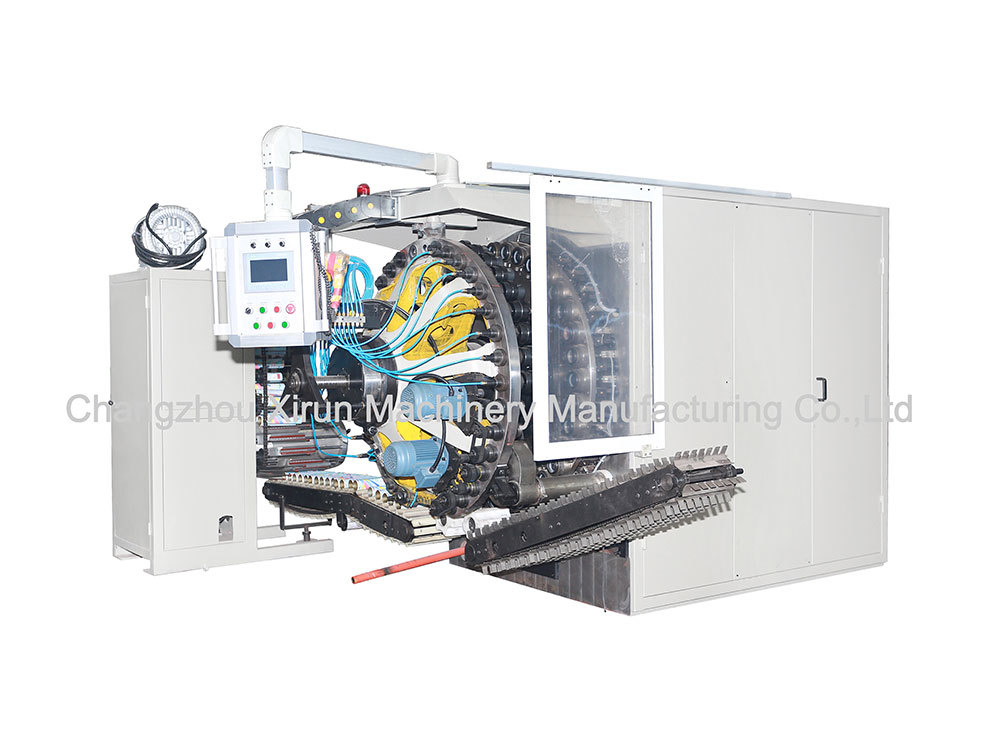
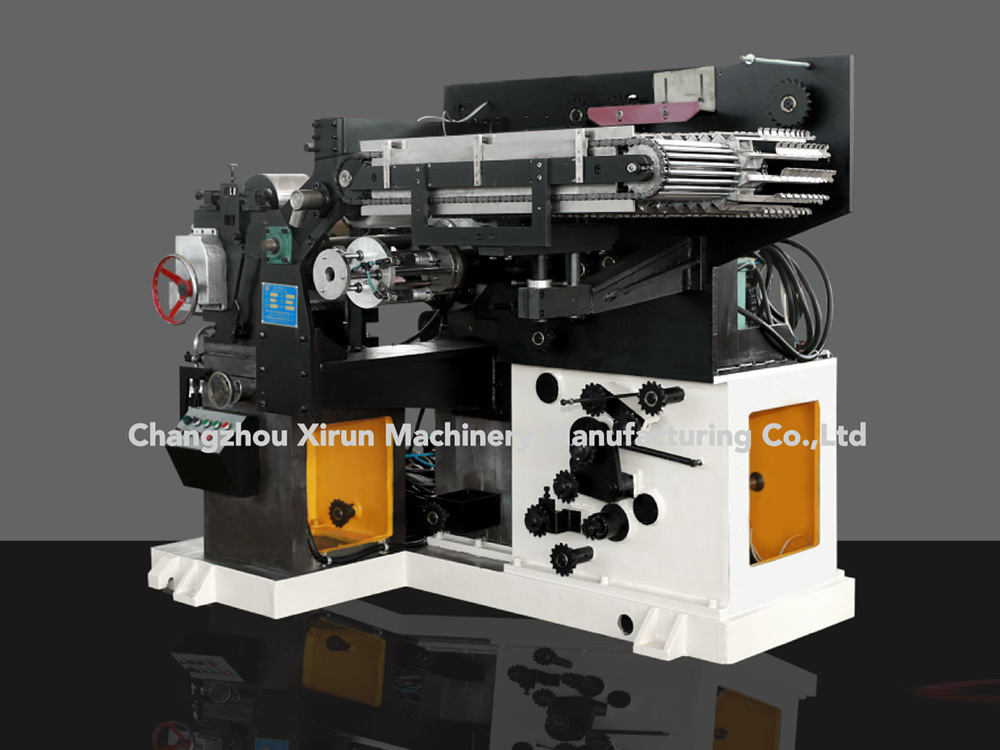
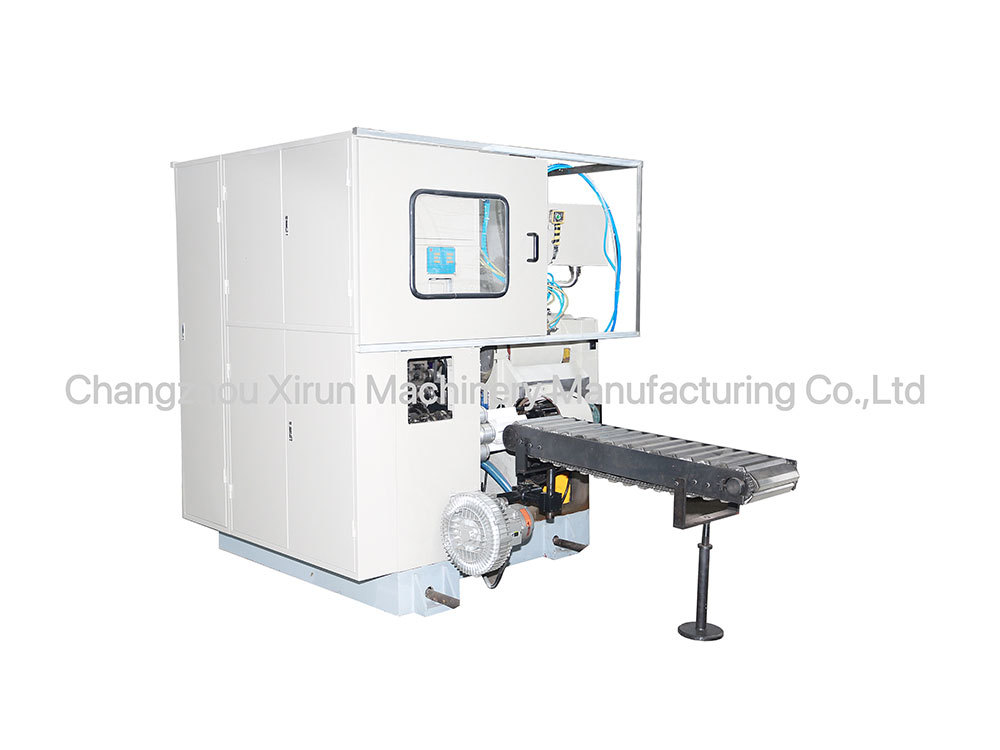
In the metal packaging industry, particularly when dealing with aluminum and aluminum alloys, the trimming machine plays a crucial role in ensuring the efficiency and quality of production processes. These machines are designed to cut, shape, and finish metal sheets or components to precise specifications, which is vital for achieving the desired product quality.
Trimming machines are commonly used in the packaging and printing sector to streamline the production of metal containers, lids, and other packaging materials. Their primary function is to trim excess material from the edges of metal sheets, enabling manufacturers to achieve clean lines and uniform dimensions. This not only enhances the aesthetic appeal of the products but also ensures that they fit together correctly in the assembly process.
One of the key benefits of using trimming machines in the aluminum packaging sector is their ability to increase production efficiency. Automated trimming processes reduce the time required for manual cutting and finishing, allowing manufacturers to produce larger quantities of products in a shorter period. This efficiency translates to lower labor costs and higher output, which are critical factors in today’s competitive market.
Moreover, trimming machines can be equipped with advanced technology that allows for precise control over cutting parameters. This precision is essential when working with aluminum and aluminum alloys, as these materials require specific handling to prevent damage or deformation. With the right trimming machine, manufacturers can achieve tight tolerances, ensuring that each piece meets the required specifications.
In addition to efficiency and precision, trimming machines also contribute to waste reduction. By optimizing the cutting process, these machines minimize scrap material, which is particularly important in the aluminum industry where raw material costs can be significant. By reducing waste, companies can not only save on material costs but also enhance their sustainability efforts—a crucial aspect of modern manufacturing.
Furthermore, trimming machines can be integrated into existing production lines, offering flexibility to manufacturers looking to upgrade their operations without overhauling their entire system. This adaptability makes trimming machines an attractive option for businesses of all sizes, from small manufacturers to large-scale production facilities.
In conclusion, trimming machines are an indispensable asset in the aluminum packaging industry, offering numerous benefits including improved efficiency, precision, and waste reduction. By investing in high-quality trimming equipment, businesses can enhance their production capabilities and maintain a competitive edge in the marketplace. Whether you are looking to streamline your operations or improve product quality, exploring the options available in trimming machines can be a valuable step towards achieving your manufacturing goals.
Trimming machines are commonly used in the packaging and printing sector to streamline the production of metal containers, lids, and other packaging materials. Their primary function is to trim excess material from the edges of metal sheets, enabling manufacturers to achieve clean lines and uniform dimensions. This not only enhances the aesthetic appeal of the products but also ensures that they fit together correctly in the assembly process.
One of the key benefits of using trimming machines in the aluminum packaging sector is their ability to increase production efficiency. Automated trimming processes reduce the time required for manual cutting and finishing, allowing manufacturers to produce larger quantities of products in a shorter period. This efficiency translates to lower labor costs and higher output, which are critical factors in today’s competitive market.
Moreover, trimming machines can be equipped with advanced technology that allows for precise control over cutting parameters. This precision is essential when working with aluminum and aluminum alloys, as these materials require specific handling to prevent damage or deformation. With the right trimming machine, manufacturers can achieve tight tolerances, ensuring that each piece meets the required specifications.
In addition to efficiency and precision, trimming machines also contribute to waste reduction. By optimizing the cutting process, these machines minimize scrap material, which is particularly important in the aluminum industry where raw material costs can be significant. By reducing waste, companies can not only save on material costs but also enhance their sustainability efforts—a crucial aspect of modern manufacturing.
Furthermore, trimming machines can be integrated into existing production lines, offering flexibility to manufacturers looking to upgrade their operations without overhauling their entire system. This adaptability makes trimming machines an attractive option for businesses of all sizes, from small manufacturers to large-scale production facilities.
In conclusion, trimming machines are an indispensable asset in the aluminum packaging industry, offering numerous benefits including improved efficiency, precision, and waste reduction. By investing in high-quality trimming equipment, businesses can enhance their production capabilities and maintain a competitive edge in the marketplace. Whether you are looking to streamline your operations or improve product quality, exploring the options available in trimming machines can be a valuable step towards achieving your manufacturing goals.
trimming machine
Latest Blog
Leave A Message
You can leave comments and suggestions to us here, and we will reply in time
Phone: +86-13671610042
Add: No. 18, Hengli Road, Xueyan Town, Wujin District, Changzhou City, Jiangsu Province

Whatsapp QR