


Understanding the Importance of Internal Lacquering Machines in Metal Packaging
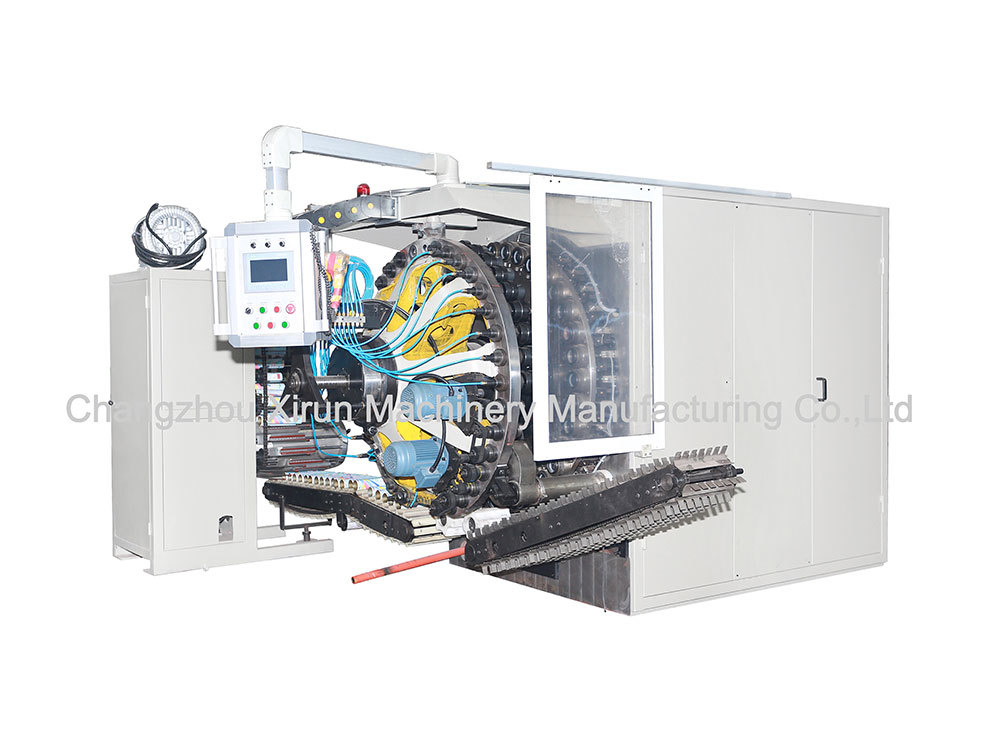
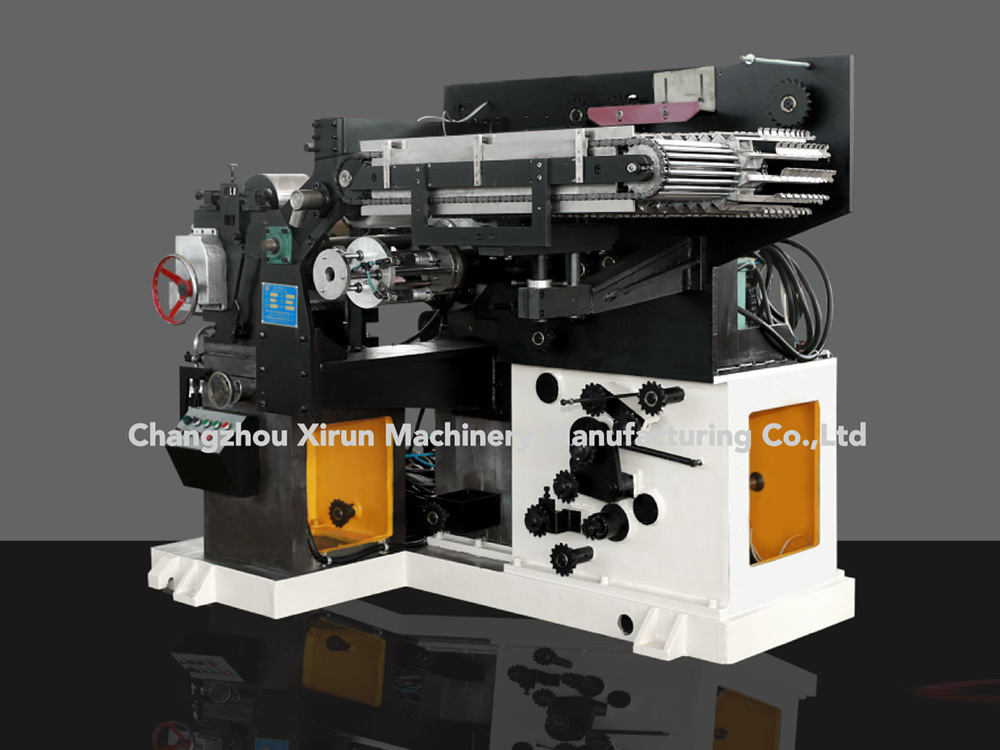
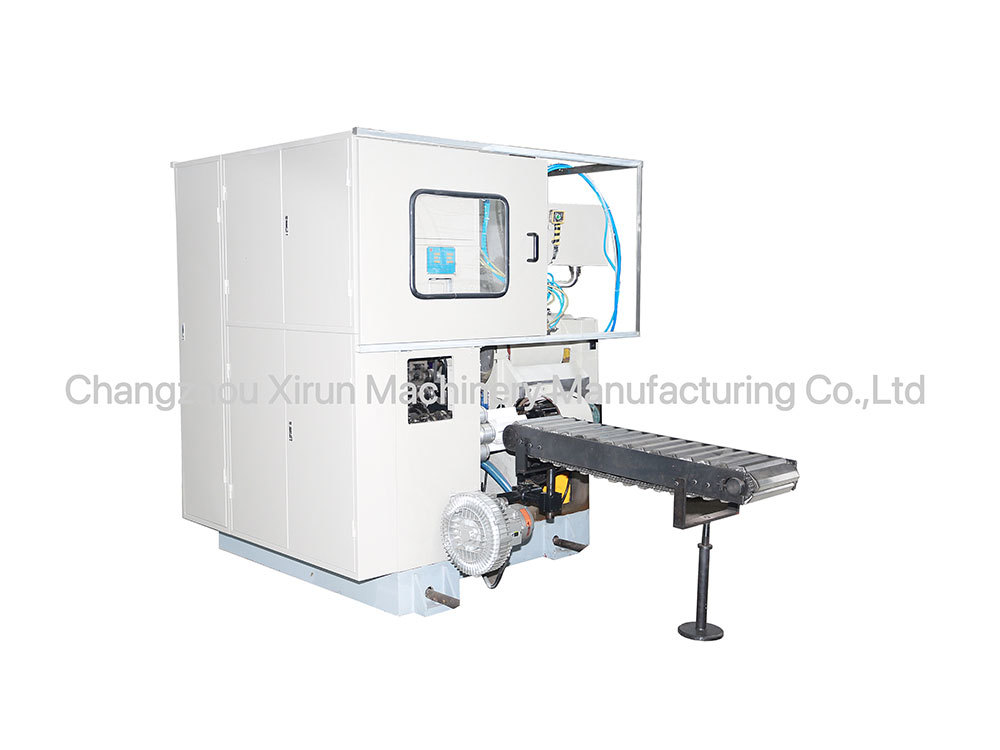
In the packaging industry, particularly when dealing with metal packaging materials such as aluminum and aluminum alloys, the use of internal lacquering machines has become increasingly significant. These machines are designed to apply a protective lacquer on the internal surfaces of metal containers, which serves multiple essential purposes. One of the primary functions of an internal lacquering
Release time:
2025-11-08
In the packaging industry, particularly when dealing with metal packaging materials such as aluminum and aluminum alloys, the use of internal lacquering machines has become increasingly significant. These machines are designed to apply a protective lacquer on the internal surfaces of metal containers, which serves multiple essential purposes.
One of the primary functions of an internal lacquering machine is to enhance the corrosion resistance of metal packaging. Aluminum is prone to oxidation and can react with certain substances, leading to degradation over time. By applying a layer of lacquer, these machines effectively create a barrier that prevents direct contact between the metal and potentially corrosive substances. This not only prolongs the life of the packaging but also ensures the safety and quality of the products contained within.
Moreover, internal lacquering machines play a crucial role in maintaining the integrity of the contents. For example, food and beverage companies often require their metal packaging to be free from any metallic taste or contamination. The lacquer used in these machines is typically formulated to be food-safe, ensuring that the flavor and quality of the contents remain unaffected. This is particularly vital for industries that prioritize customer satisfaction and compliance with health regulations.
Efficiency is another key benefit of using internal lacquering machines. Modern machines are designed for high-speed operations, which can significantly increase production rates. This is essential for businesses aiming to meet high demand without compromising on quality. In addition, these machines often include advanced features such as automated cleaning systems and precise control over the lacquer application process, ensuring consistent quality across batches.
When considering the implementation of an internal lacquering machine, it’s essential for companies to assess their specific needs. Factors such as production volume, the type of products being packaged, and the desired finish should all be taken into account. Collaborating with industry experts can provide insights into the most suitable machinery and processes for individual requirements.
In summary, internal lacquering machines are a critical component in the metal packaging sector, especially for those dealing with aluminum and aluminum alloys. They enhance corrosion resistance, maintain product integrity, and improve production efficiency. As the demand for high-quality packaging continues to rise, investing in advanced internal lacquering technology may offer a competitive advantage, ensuring both product safety and customer satisfaction in the ever-evolving market landscape.
One of the primary functions of an internal lacquering machine is to enhance the corrosion resistance of metal packaging. Aluminum is prone to oxidation and can react with certain substances, leading to degradation over time. By applying a layer of lacquer, these machines effectively create a barrier that prevents direct contact between the metal and potentially corrosive substances. This not only prolongs the life of the packaging but also ensures the safety and quality of the products contained within.
Moreover, internal lacquering machines play a crucial role in maintaining the integrity of the contents. For example, food and beverage companies often require their metal packaging to be free from any metallic taste or contamination. The lacquer used in these machines is typically formulated to be food-safe, ensuring that the flavor and quality of the contents remain unaffected. This is particularly vital for industries that prioritize customer satisfaction and compliance with health regulations.
Efficiency is another key benefit of using internal lacquering machines. Modern machines are designed for high-speed operations, which can significantly increase production rates. This is essential for businesses aiming to meet high demand without compromising on quality. In addition, these machines often include advanced features such as automated cleaning systems and precise control over the lacquer application process, ensuring consistent quality across batches.
When considering the implementation of an internal lacquering machine, it’s essential for companies to assess their specific needs. Factors such as production volume, the type of products being packaged, and the desired finish should all be taken into account. Collaborating with industry experts can provide insights into the most suitable machinery and processes for individual requirements.
In summary, internal lacquering machines are a critical component in the metal packaging sector, especially for those dealing with aluminum and aluminum alloys. They enhance corrosion resistance, maintain product integrity, and improve production efficiency. As the demand for high-quality packaging continues to rise, investing in advanced internal lacquering technology may offer a competitive advantage, ensuring both product safety and customer satisfaction in the ever-evolving market landscape.
internal lacquering machine
Latest Blog
Leave A Message
You can leave comments and suggestions to us here, and we will reply in time
Phone: +86-13671610042
Add: No. 18, Hengli Road, Xueyan Town, Wujin District, Changzhou City, Jiangsu Province

Whatsapp QR