


Essential Insights into Trimming Machines for Metal Packaging Applications
In the packaging and printing industry, especially when dealing with metal packaging materials like aluminum and aluminum alloys, trimming machines play a crucial role in achieving high-quality finished products. These machines are designed to provide precise cutting and finishing solutions, ensuring that the edges of metal sheets are smooth, safe, and ready for further processing or packaging. Tr
Release time:
2025-11-12
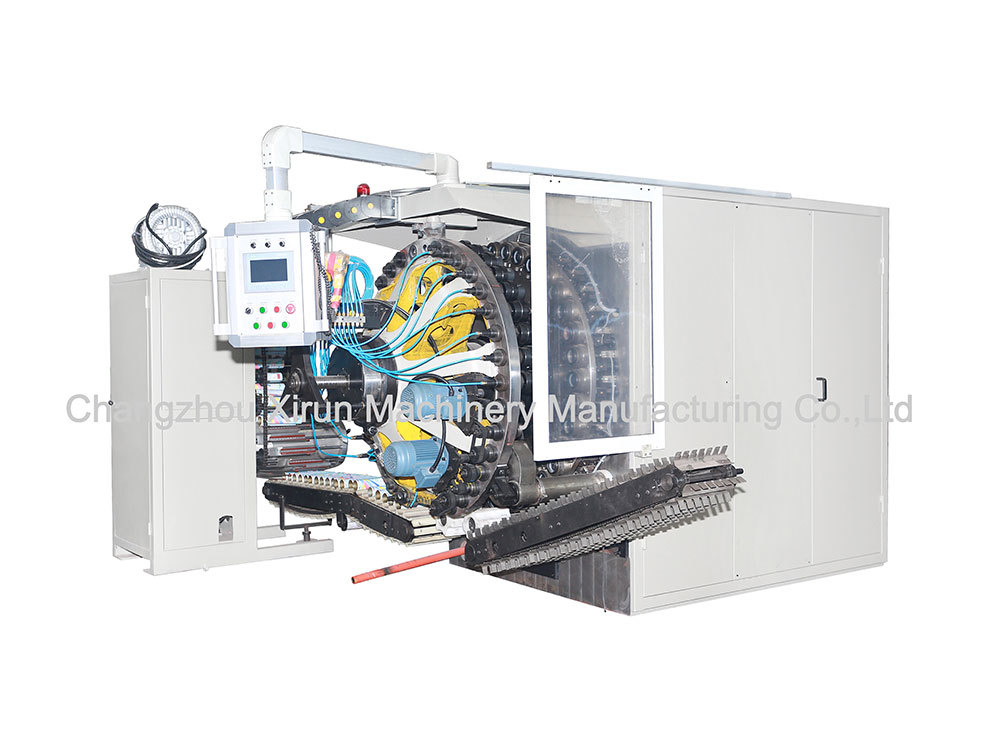
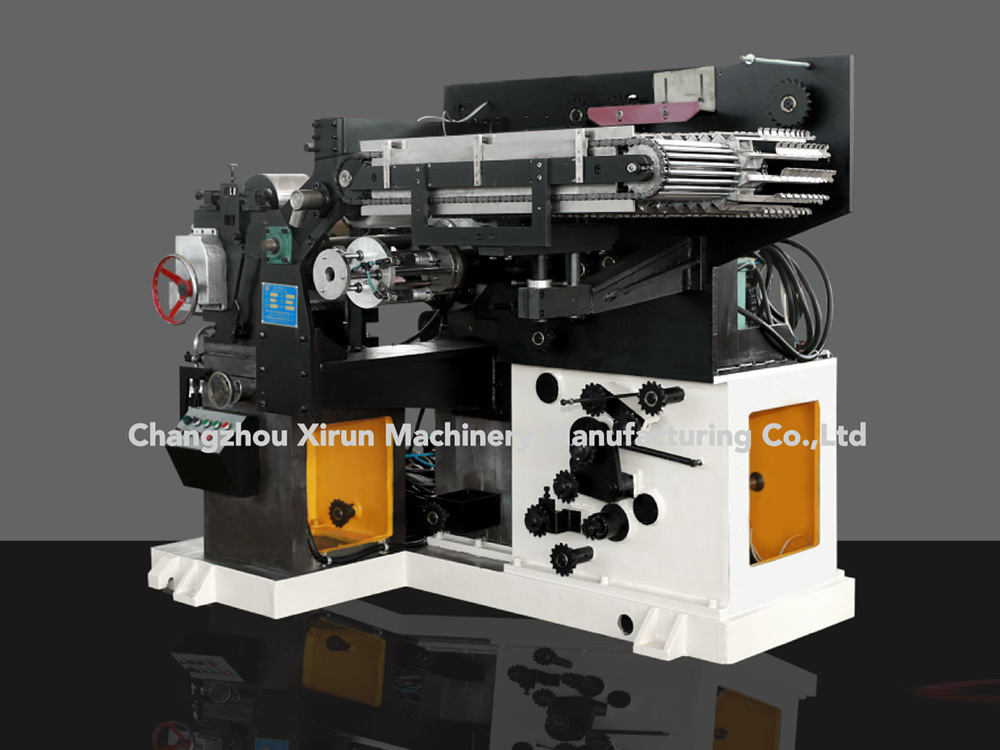
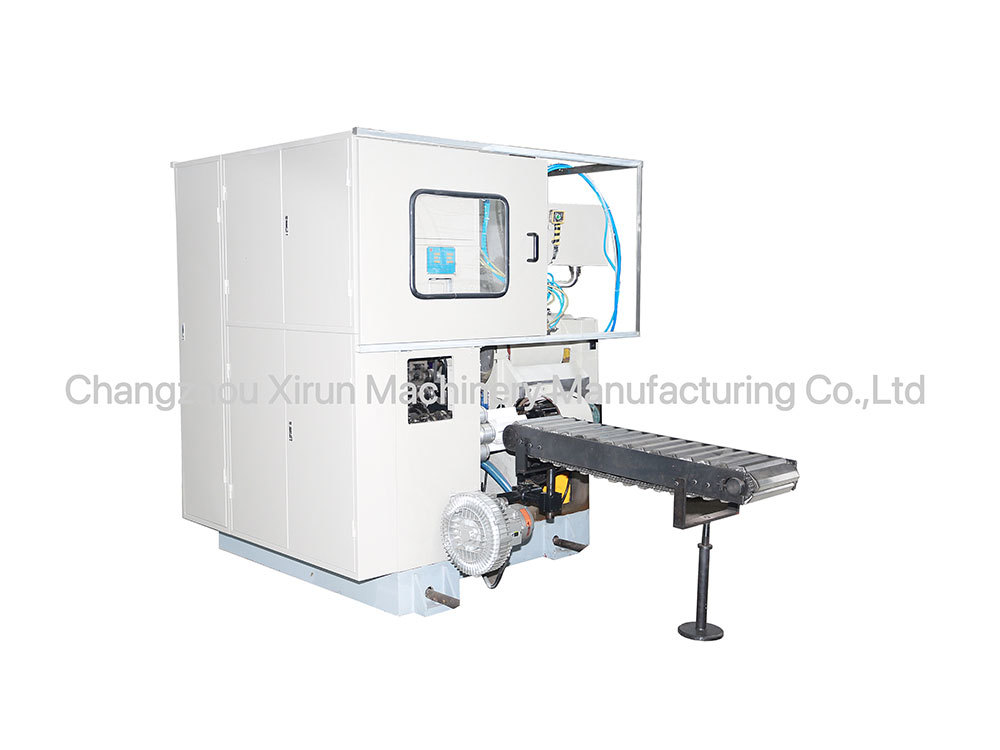
In the packaging and printing industry, especially when dealing with metal packaging materials like aluminum and aluminum alloys, trimming machines play a crucial role in achieving high-quality finished products. These machines are designed to provide precise cutting and finishing solutions, ensuring that the edges of metal sheets are smooth, safe, and ready for further processing or packaging.
Trimming machines are typically employed to trim the excess material from metal sheets or components after they have been formed or stamped. This process not only enhances the aesthetics of the product but also ensures that all dimensions meet the required specifications, which is vital for maintaining quality control in manufacturing processes. In the metal packaging industry, maintaining consistency and precision in dimensions is essential, as it directly impacts seal integrity and product safety.
One of the significant advantages of using trimming machines is their ability to improve production efficiency. Automated trimming systems can significantly reduce manual labor and the time required for cutting tasks. This efficiency not only leads to faster turnaround times but also minimizes the risk of human error, which can be costly in terms of material waste and operational delays.
When selecting a trimming machine, it is essential to consider the specific requirements of your production line. Factors such as the thickness of the metal being processed, the volume of production, and the desired finish quality will influence your choice. Various trimming methods, including shearing, laser cutting, and water jet cutting, each offer unique benefits. For instance, laser trimming provides superior accuracy and is ideal for complex shapes, while conventional shearing may be more suitable for high-volume, straight cuts.
In addition to functionality, maintenance is a critical aspect of operating trimming machines. Regular maintenance checks and timely replacement of worn-out parts can greatly extend the lifespan of the equipment and maintain its cutting performance. Training staff on the proper operation and care of trimming machines is equally important to ensure safety and efficiency in the workspace.
In conclusion, trimming machines are integral to the packaging and printing industry, particularly for aluminum and aluminum alloy materials. By understanding their capabilities and maintenance needs, professionals can leverage these machines to enhance production quality and efficiency. As the industry continues to evolve, staying updated on the latest technologies and best practices in trimming will keep your operations competitive and responsive to market demands.
Trimming machines are typically employed to trim the excess material from metal sheets or components after they have been formed or stamped. This process not only enhances the aesthetics of the product but also ensures that all dimensions meet the required specifications, which is vital for maintaining quality control in manufacturing processes. In the metal packaging industry, maintaining consistency and precision in dimensions is essential, as it directly impacts seal integrity and product safety.
One of the significant advantages of using trimming machines is their ability to improve production efficiency. Automated trimming systems can significantly reduce manual labor and the time required for cutting tasks. This efficiency not only leads to faster turnaround times but also minimizes the risk of human error, which can be costly in terms of material waste and operational delays.
When selecting a trimming machine, it is essential to consider the specific requirements of your production line. Factors such as the thickness of the metal being processed, the volume of production, and the desired finish quality will influence your choice. Various trimming methods, including shearing, laser cutting, and water jet cutting, each offer unique benefits. For instance, laser trimming provides superior accuracy and is ideal for complex shapes, while conventional shearing may be more suitable for high-volume, straight cuts.
In addition to functionality, maintenance is a critical aspect of operating trimming machines. Regular maintenance checks and timely replacement of worn-out parts can greatly extend the lifespan of the equipment and maintain its cutting performance. Training staff on the proper operation and care of trimming machines is equally important to ensure safety and efficiency in the workspace.
In conclusion, trimming machines are integral to the packaging and printing industry, particularly for aluminum and aluminum alloy materials. By understanding their capabilities and maintenance needs, professionals can leverage these machines to enhance production quality and efficiency. As the industry continues to evolve, staying updated on the latest technologies and best practices in trimming will keep your operations competitive and responsive to market demands.
trimming machine
Latest Blog
Leave A Message
You can leave comments and suggestions to us here, and we will reply in time
Phone: +86-13671610042
Add: No. 18, Hengli Road, Xueyan Town, Wujin District, Changzhou City, Jiangsu Province

Whatsapp QR