


Understanding Trimming Machines in the Metal Packaging Industry
In the metal packaging industry, particularly when dealing with aluminum and aluminum alloys, the trimming machine plays a pivotal role in ensuring precision and efficiency. These machines are essential for the post-production phase, where they trim and cut materials to specific dimensions required for various packaging solutions. A trimming machine is designed to handle a wide range of cutting ta
Release time:
2025-12-14
In the metal packaging industry, particularly when dealing with aluminum and aluminum alloys, the trimming machine plays a pivotal role in ensuring precision and efficiency. These machines are essential for the post-production phase, where they trim and cut materials to specific dimensions required for various packaging solutions.
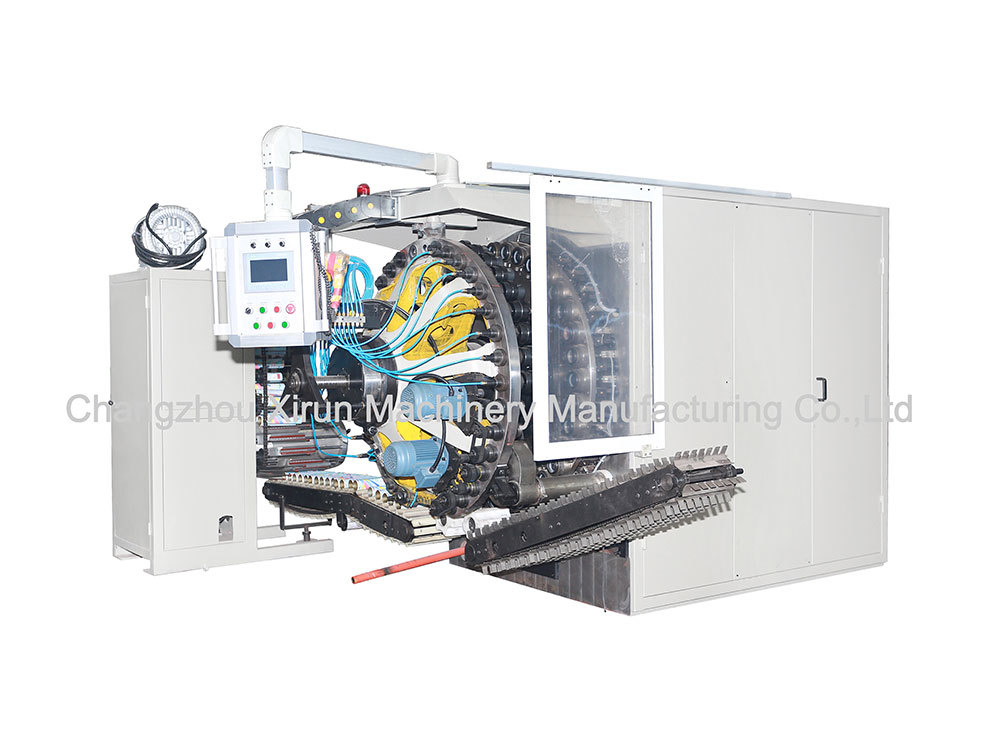
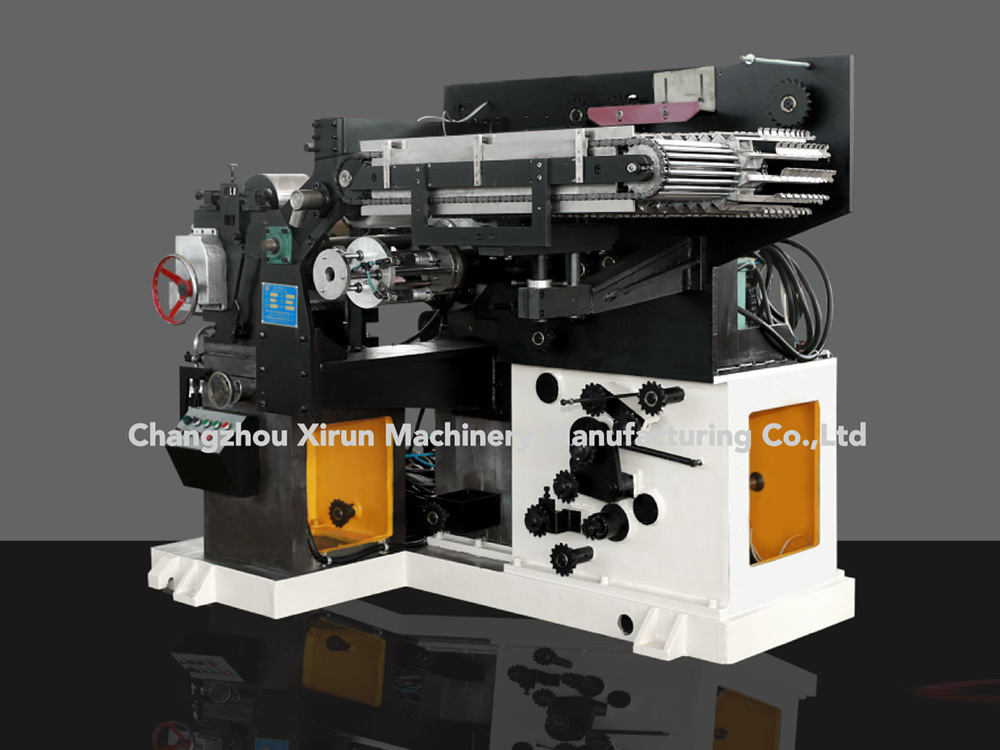
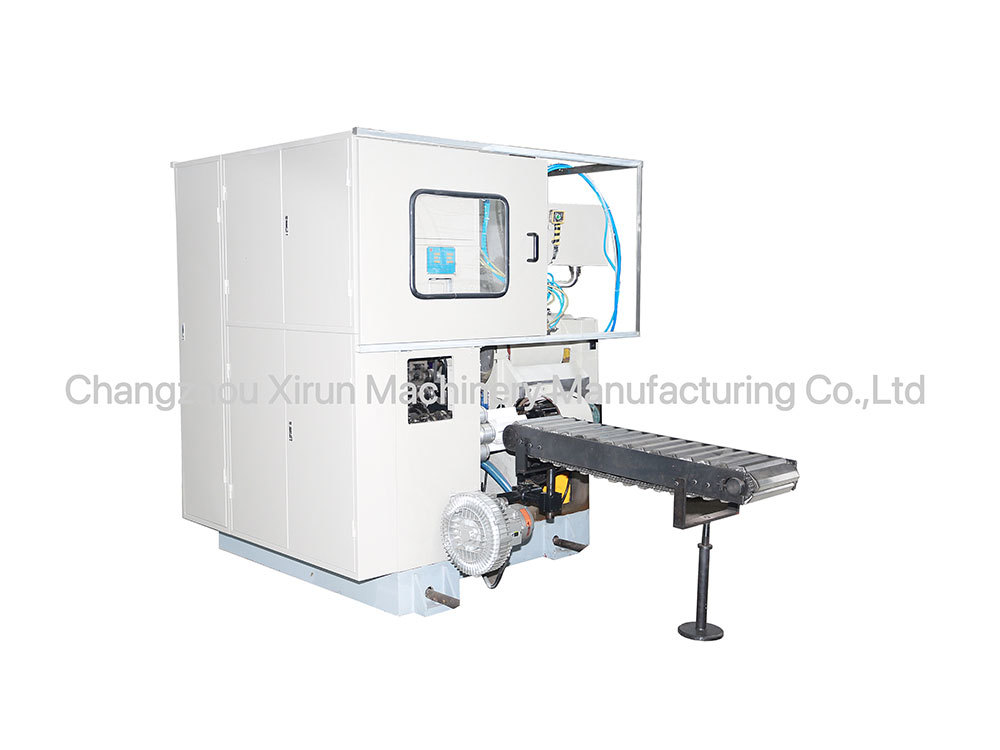
A trimming machine is designed to handle a wide range of cutting tasks. Its primary function is to trim the edges of metal sheets or rolls, ensuring they meet the exact specifications needed for subsequent operations. In industries that deal with packaging, such precision is paramount, as it directly affects the overall quality and performance of the final product.
One of the significant advantages of using a trimming machine is its ability to enhance operational efficiency. Traditional methods of trimming can be labor-intensive and prone to human error, leading to increased waste and higher production costs. In contrast, a trimming machine automates the process, significantly reducing the time taken for cutting while maintaining high levels of accuracy. This automation allows companies to increase their production rates and meet tight deadlines without compromising quality.
Moreover, trimming machines are equipped with advanced technology that allows for easy adjustments. This flexibility is crucial in the packaging industry, where different products may require various dimensions and cutting styles. Operators can quickly modify settings to accommodate changes in production, making the trimming machine an invaluable asset for businesses looking to remain competitive in a fast-paced market.
Furthermore, the versatility of trimming machines extends beyond just aluminum materials. They can also be adapted to handle various metal alloys, making them suitable for a wide range of products in the packaging and printing sector. This adaptability means that companies can invest in a single machine that meets multiple needs, leading to cost savings and more efficient resource utilization.
In addition to efficiency and versatility, trimming machines contribute to sustainability efforts within the packaging industry. By minimizing waste through precise cuts, these machines help reduce the environmental footprint of production processes. This aspect is increasingly important as companies strive to adopt more sustainable practices and meet regulatory requirements.
In conclusion, trimming machines are a fundamental component of the metal packaging industry, specifically for aluminum and aluminum alloys. Their ability to enhance efficiency, versatility, and sustainability makes them an essential investment for businesses involved in packaging and printing. Understanding the capabilities and benefits of trimming machines can help professionals in the industry make informed decisions that drive productivity and improve product quality.
A trimming machine is designed to handle a wide range of cutting tasks. Its primary function is to trim the edges of metal sheets or rolls, ensuring they meet the exact specifications needed for subsequent operations. In industries that deal with packaging, such precision is paramount, as it directly affects the overall quality and performance of the final product.
One of the significant advantages of using a trimming machine is its ability to enhance operational efficiency. Traditional methods of trimming can be labor-intensive and prone to human error, leading to increased waste and higher production costs. In contrast, a trimming machine automates the process, significantly reducing the time taken for cutting while maintaining high levels of accuracy. This automation allows companies to increase their production rates and meet tight deadlines without compromising quality.
Moreover, trimming machines are equipped with advanced technology that allows for easy adjustments. This flexibility is crucial in the packaging industry, where different products may require various dimensions and cutting styles. Operators can quickly modify settings to accommodate changes in production, making the trimming machine an invaluable asset for businesses looking to remain competitive in a fast-paced market.
Furthermore, the versatility of trimming machines extends beyond just aluminum materials. They can also be adapted to handle various metal alloys, making them suitable for a wide range of products in the packaging and printing sector. This adaptability means that companies can invest in a single machine that meets multiple needs, leading to cost savings and more efficient resource utilization.
In addition to efficiency and versatility, trimming machines contribute to sustainability efforts within the packaging industry. By minimizing waste through precise cuts, these machines help reduce the environmental footprint of production processes. This aspect is increasingly important as companies strive to adopt more sustainable practices and meet regulatory requirements.
In conclusion, trimming machines are a fundamental component of the metal packaging industry, specifically for aluminum and aluminum alloys. Their ability to enhance efficiency, versatility, and sustainability makes them an essential investment for businesses involved in packaging and printing. Understanding the capabilities and benefits of trimming machines can help professionals in the industry make informed decisions that drive productivity and improve product quality.
trimming machine
Latest Blog
Leave A Message
You can leave comments and suggestions to us here, and we will reply in time
Phone: +86-13671610042
Add: No. 18, Hengli Road, Xueyan Town, Wujin District, Changzhou City, Jiangsu Province

Whatsapp QR