


Unlocking Efficiency: The Role of Internal Lacquering Machines in Metal Packaging
--- In the packaging and printing industry, particularly in the realm of metal packaging materials such as aluminum and aluminum alloys, internal lacquering machines play a crucial role. These specialized machines are designed to apply a protective lacquer coating to the interior surfaces of metal containers. This process is vital for several reasons, primarily concerning product safety, quality,
Release time:
2025-12-18
---
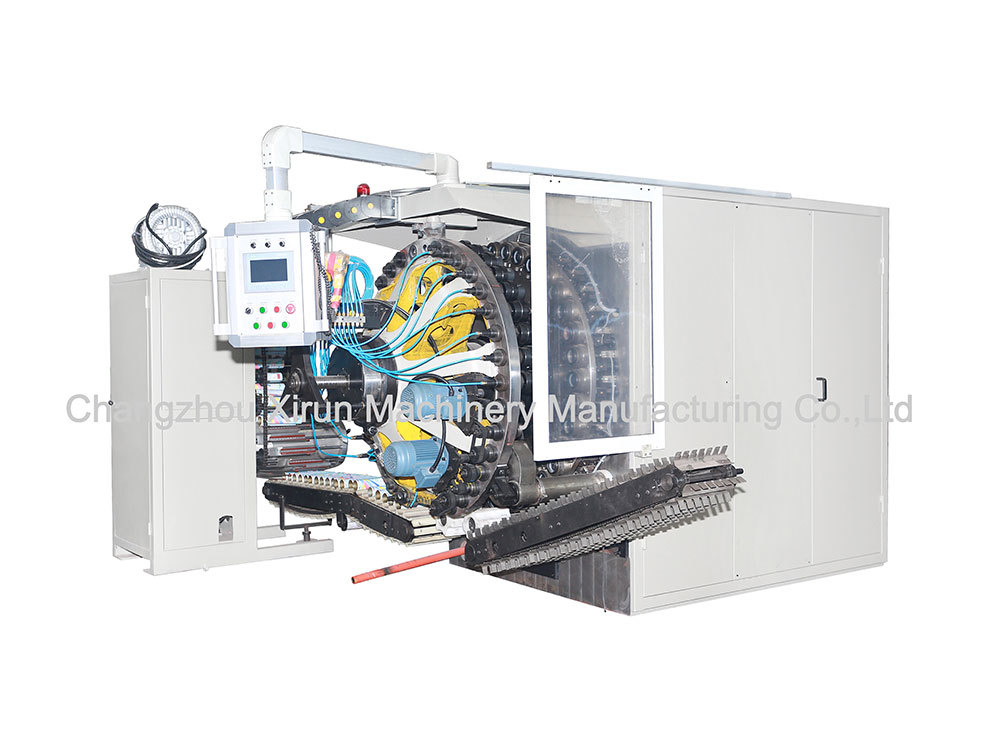
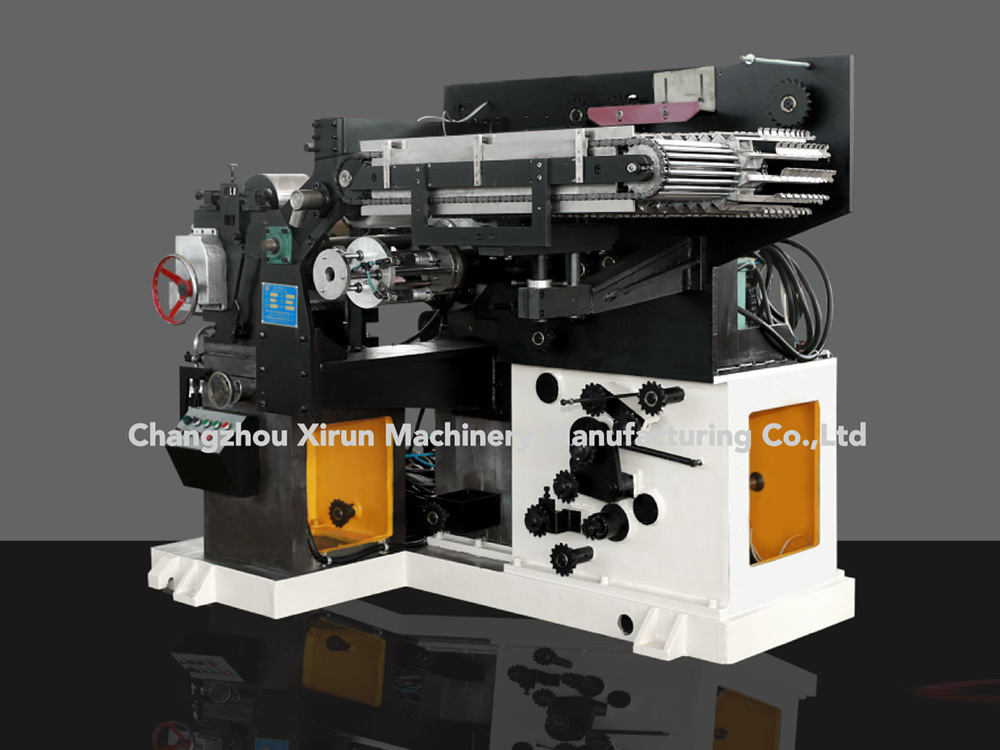
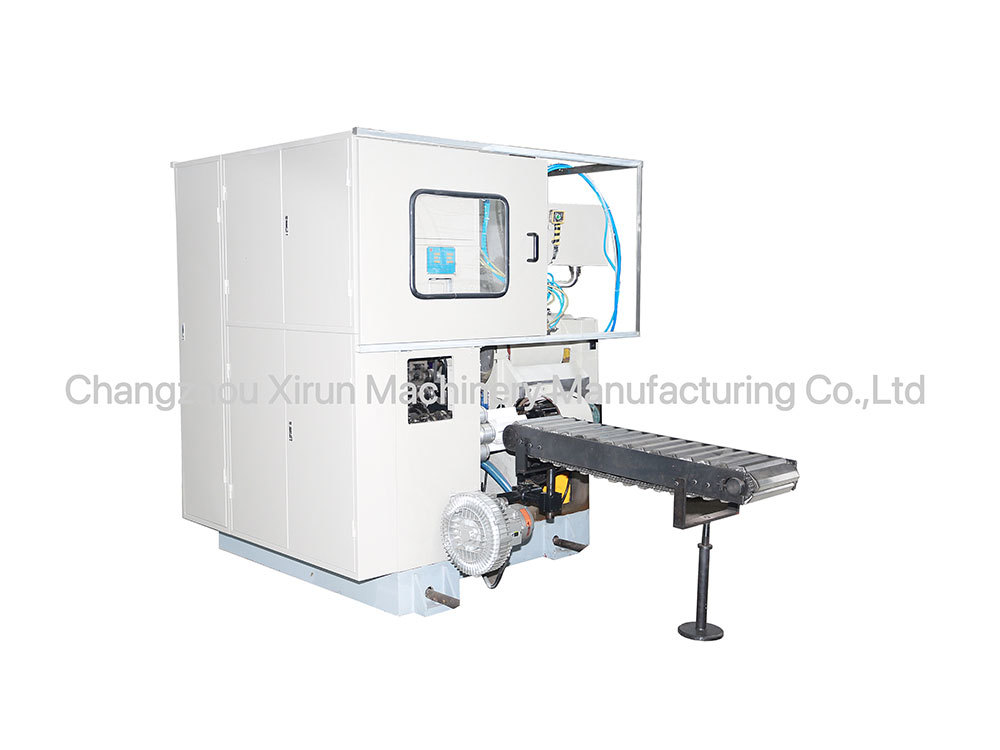
In the packaging and printing industry, particularly in the realm of metal packaging materials such as aluminum and aluminum alloys, internal lacquering machines play a crucial role. These specialized machines are designed to apply a protective lacquer coating to the interior surfaces of metal containers. This process is vital for several reasons, primarily concerning product safety, quality, and shelf life.
One of the most critical functions of internal lacquering machines is to prevent corrosion. Aluminum, while lightweight and versatile, can be susceptible to oxidation when exposed to moisture and various substances. The lacquer layer acts as a barrier, safeguarding the metal from environmental factors that could lead to deterioration. This protection is especially important in industries dealing with food and beverages, where the integrity of the packaging directly affects product safety and consumer health.
Additionally, internal lacquering contributes to preserving the taste and quality of the contents. By preventing direct contact between the metal and the product, these machines help avoid any interaction that could spoil flavors or introduce metallic off-tastes. This is particularly advantageous for beverages, where consumer experience hinges on the purity of the product.
Moreover, the application process facilitated by internal lacquering machines is designed to be efficient and consistent. Modern technological advancements allow for precise control over the coating thickness and uniformity, ensuring that every container receives the same level of protection. This automation not only enhances productivity but also reduces the likelihood of human error, leading to higher quality standards in production.
In terms of sustainability, using internal lacquering machines can also be beneficial. The coatings often used are formulated to be environmentally friendly, and advancements in technology have led to the development of water-based lacquers that minimize harmful emissions. This aligns with the growing trend towards eco-friendly practices in manufacturing, which is increasingly important to consumers and regulatory bodies alike.
Furthermore, the versatility of internal lacquering machines allows them to be used for various types of metal containers, including cans, bottles, and closures. This adaptability makes them a valuable asset in the production line, providing manufacturers with the flexibility to meet diverse market demands.
In conclusion, internal lacquering machines are indispensable in the metal packaging industry, specifically for aluminum and aluminum alloy materials. Their ability to prevent corrosion, preserve product integrity, enhance efficiency, and contribute to sustainability makes them a key component in modern packaging solutions. By investing in these machines, businesses can significantly improve their product offerings and ensure compliance with safety standards, ultimately leading to greater customer satisfaction and loyalty.
In the packaging and printing industry, particularly in the realm of metal packaging materials such as aluminum and aluminum alloys, internal lacquering machines play a crucial role. These specialized machines are designed to apply a protective lacquer coating to the interior surfaces of metal containers. This process is vital for several reasons, primarily concerning product safety, quality, and shelf life.
One of the most critical functions of internal lacquering machines is to prevent corrosion. Aluminum, while lightweight and versatile, can be susceptible to oxidation when exposed to moisture and various substances. The lacquer layer acts as a barrier, safeguarding the metal from environmental factors that could lead to deterioration. This protection is especially important in industries dealing with food and beverages, where the integrity of the packaging directly affects product safety and consumer health.
Additionally, internal lacquering contributes to preserving the taste and quality of the contents. By preventing direct contact between the metal and the product, these machines help avoid any interaction that could spoil flavors or introduce metallic off-tastes. This is particularly advantageous for beverages, where consumer experience hinges on the purity of the product.
Moreover, the application process facilitated by internal lacquering machines is designed to be efficient and consistent. Modern technological advancements allow for precise control over the coating thickness and uniformity, ensuring that every container receives the same level of protection. This automation not only enhances productivity but also reduces the likelihood of human error, leading to higher quality standards in production.
In terms of sustainability, using internal lacquering machines can also be beneficial. The coatings often used are formulated to be environmentally friendly, and advancements in technology have led to the development of water-based lacquers that minimize harmful emissions. This aligns with the growing trend towards eco-friendly practices in manufacturing, which is increasingly important to consumers and regulatory bodies alike.
Furthermore, the versatility of internal lacquering machines allows them to be used for various types of metal containers, including cans, bottles, and closures. This adaptability makes them a valuable asset in the production line, providing manufacturers with the flexibility to meet diverse market demands.
In conclusion, internal lacquering machines are indispensable in the metal packaging industry, specifically for aluminum and aluminum alloy materials. Their ability to prevent corrosion, preserve product integrity, enhance efficiency, and contribute to sustainability makes them a key component in modern packaging solutions. By investing in these machines, businesses can significantly improve their product offerings and ensure compliance with safety standards, ultimately leading to greater customer satisfaction and loyalty.
internal lacquering machine
Latest Blog
Leave A Message
You can leave comments and suggestions to us here, and we will reply in time
Phone: +86-13671610042
Add: No. 18, Hengli Road, Xueyan Town, Wujin District, Changzhou City, Jiangsu Province

Whatsapp QR