


Understanding Aluminum Container Necking Machines: Enhancing Metal Packaging Precision
In the realm of metal packaging, particularly with aluminum and aluminum alloys, the role of aluminum container necking machines is crucial. Necking is a specific manufacturing process used to create a tapered neck on aluminum containers, which is a common requirement for various applications, including beverage cans, aerosol containers, and food packaging. This process not only enhances the aesth
Release time:
2025-12-22
In the realm of metal packaging, particularly with aluminum and aluminum alloys, the role of aluminum container necking machines is crucial. Necking is a specific manufacturing process used to create a tapered neck on aluminum containers, which is a common requirement for various applications, including beverage cans, aerosol containers, and food packaging. This process not only enhances the aesthetic appeal of the containers but also improves their functionality and compatibility with closures.
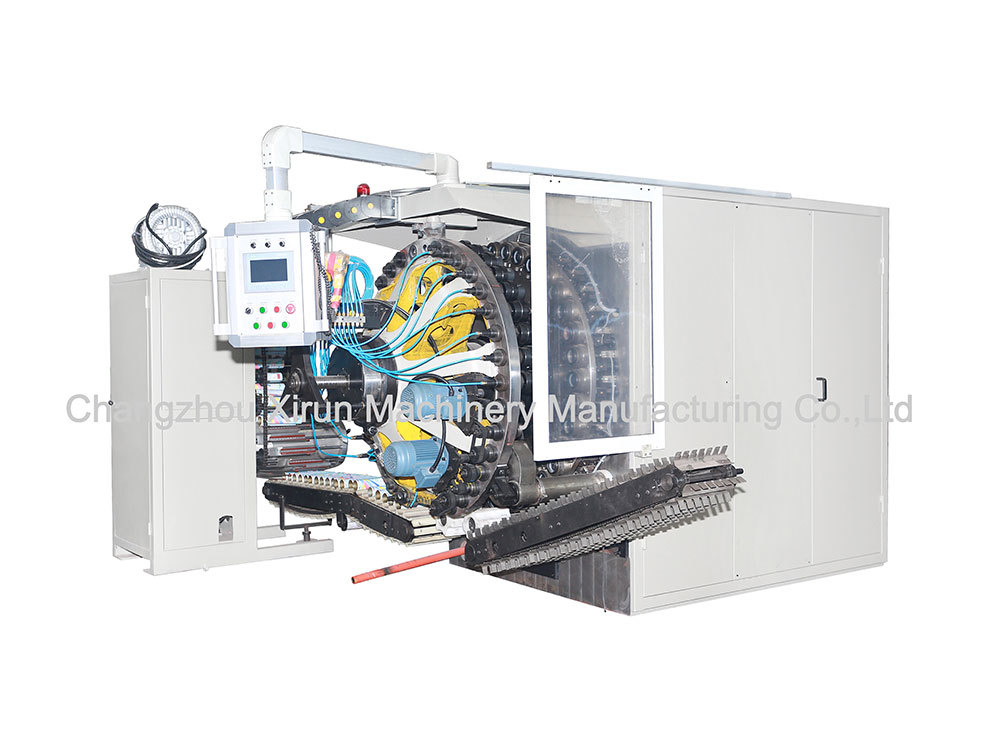
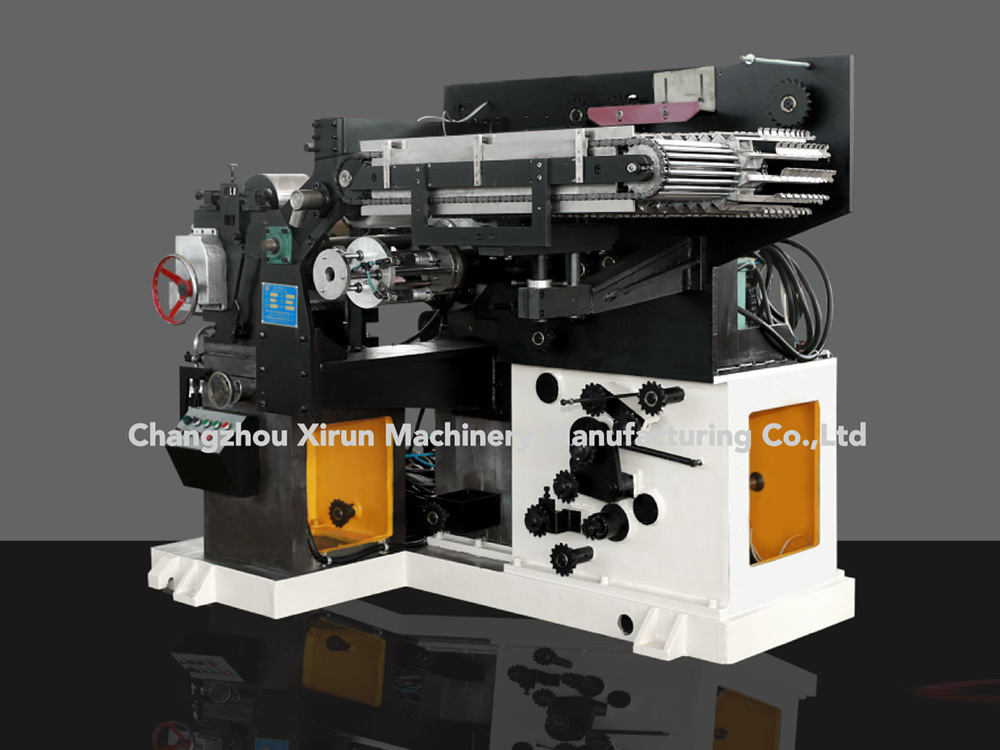
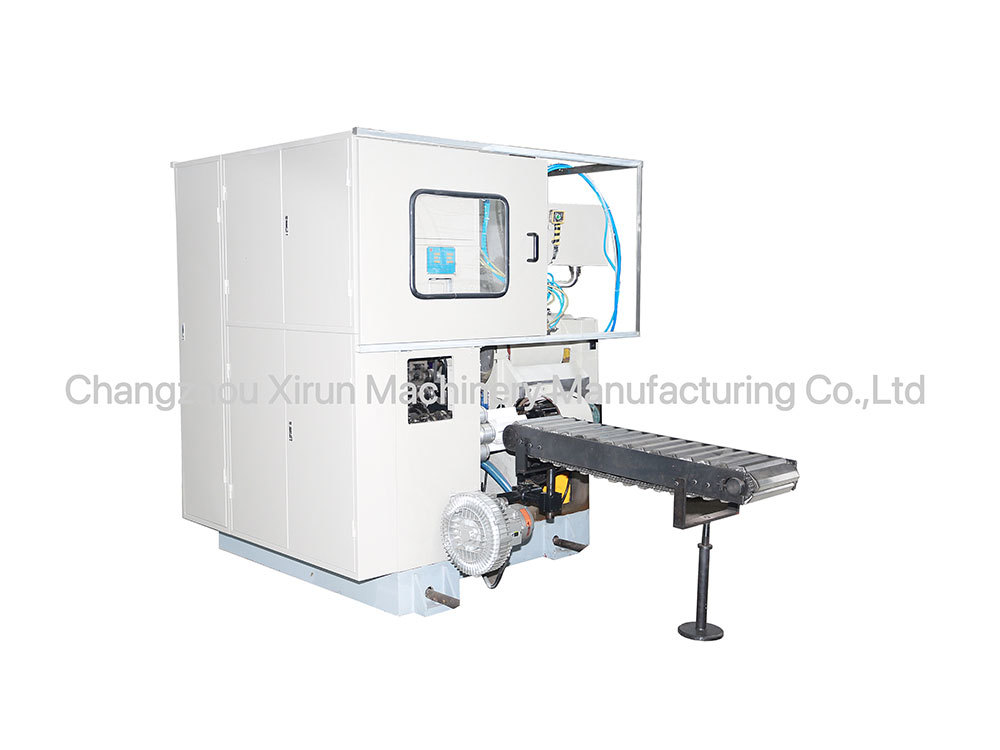
Aluminum container necking machines operate by employing mechanical or hydraulic systems to precisely manipulate the aluminum material. During the necking process, the machine applies controlled pressure and deformation to the container, allowing it to assume the desired shape. This technique is vital in ensuring that the containers meet industry standards for sealing and product retention, which can ultimately affect shelf life and user satisfaction.
One of the key advantages of using aluminum container necking machines is their ability to enhance the structural integrity of the containers. The necking process can increase the strength of the container at its neck, making it less prone to deformation during handling and transport. This improvement is particularly important in industries where product safety and durability are paramount.
In addition to structural benefits, aluminum container necking machines contribute to production efficiency. Modern machines are often equipped with advanced automation and monitoring systems that allow for seamless integration into existing production lines. This automation reduces the likelihood of human error and increases throughput, enabling manufacturers to meet growing market demands without compromising on quality.
Moreover, the versatility of these machines enables manufacturers to produce containers of various shapes and sizes, catering to diverse customer needs. The ability to adjust the machine settings for different specifications ensures that manufacturers can remain competitive in a rapidly evolving market.
Sustainability is another important factor in the use of aluminum container necking machines. Aluminum is a recyclable material, and the efficiency of the necking process aligns with broader industry trends towards reducing waste and promoting sustainable practices. By optimizing the necking process, manufacturers can minimize material waste and contribute to a circular economy.
In conclusion, aluminum container necking machines play an essential role in the production of high-quality aluminum containers. By enhancing structural integrity, improving production efficiency, and supporting sustainable practices, these machines are indispensable tools for professionals in the metal packaging industry. Understanding their operation and benefits can help industry stakeholders make informed decisions that enhance product quality and operational efficiency.
Aluminum container necking machines operate by employing mechanical or hydraulic systems to precisely manipulate the aluminum material. During the necking process, the machine applies controlled pressure and deformation to the container, allowing it to assume the desired shape. This technique is vital in ensuring that the containers meet industry standards for sealing and product retention, which can ultimately affect shelf life and user satisfaction.
One of the key advantages of using aluminum container necking machines is their ability to enhance the structural integrity of the containers. The necking process can increase the strength of the container at its neck, making it less prone to deformation during handling and transport. This improvement is particularly important in industries where product safety and durability are paramount.
In addition to structural benefits, aluminum container necking machines contribute to production efficiency. Modern machines are often equipped with advanced automation and monitoring systems that allow for seamless integration into existing production lines. This automation reduces the likelihood of human error and increases throughput, enabling manufacturers to meet growing market demands without compromising on quality.
Moreover, the versatility of these machines enables manufacturers to produce containers of various shapes and sizes, catering to diverse customer needs. The ability to adjust the machine settings for different specifications ensures that manufacturers can remain competitive in a rapidly evolving market.
Sustainability is another important factor in the use of aluminum container necking machines. Aluminum is a recyclable material, and the efficiency of the necking process aligns with broader industry trends towards reducing waste and promoting sustainable practices. By optimizing the necking process, manufacturers can minimize material waste and contribute to a circular economy.
In conclusion, aluminum container necking machines play an essential role in the production of high-quality aluminum containers. By enhancing structural integrity, improving production efficiency, and supporting sustainable practices, these machines are indispensable tools for professionals in the metal packaging industry. Understanding their operation and benefits can help industry stakeholders make informed decisions that enhance product quality and operational efficiency.
aluminum container necking machine
Latest Blog
Leave A Message
You can leave comments and suggestions to us here, and we will reply in time
Phone: +86-13671610042
Add: No. 18, Hengli Road, Xueyan Town, Wujin District, Changzhou City, Jiangsu Province

Whatsapp QR