


Understanding Internal Lacquering Machines in Metal Packaging
In the realm of metal packaging, particularly for aluminum and aluminum alloys, the internal lacquering machine is an essential piece of equipment that ensures the integrity and longevity of packaged goods. These machines are designed to apply a protective coating to the interior surfaces of metal containers, such as cans and jars, thus safeguarding the contents from contamination and chemical rea
Release time:
2025-12-31
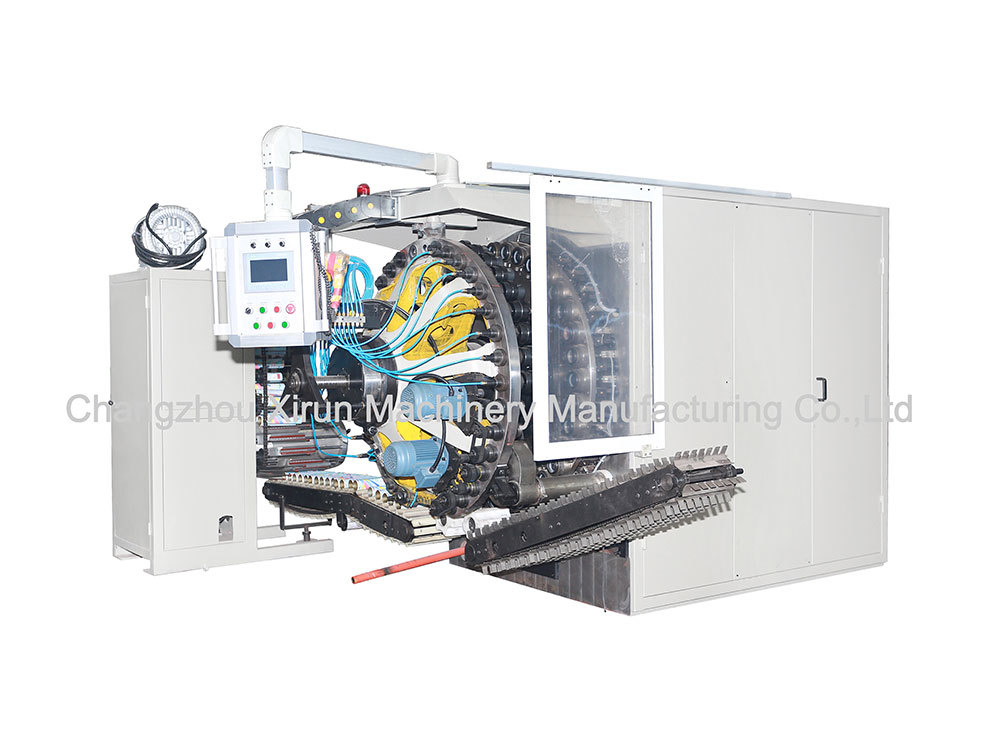
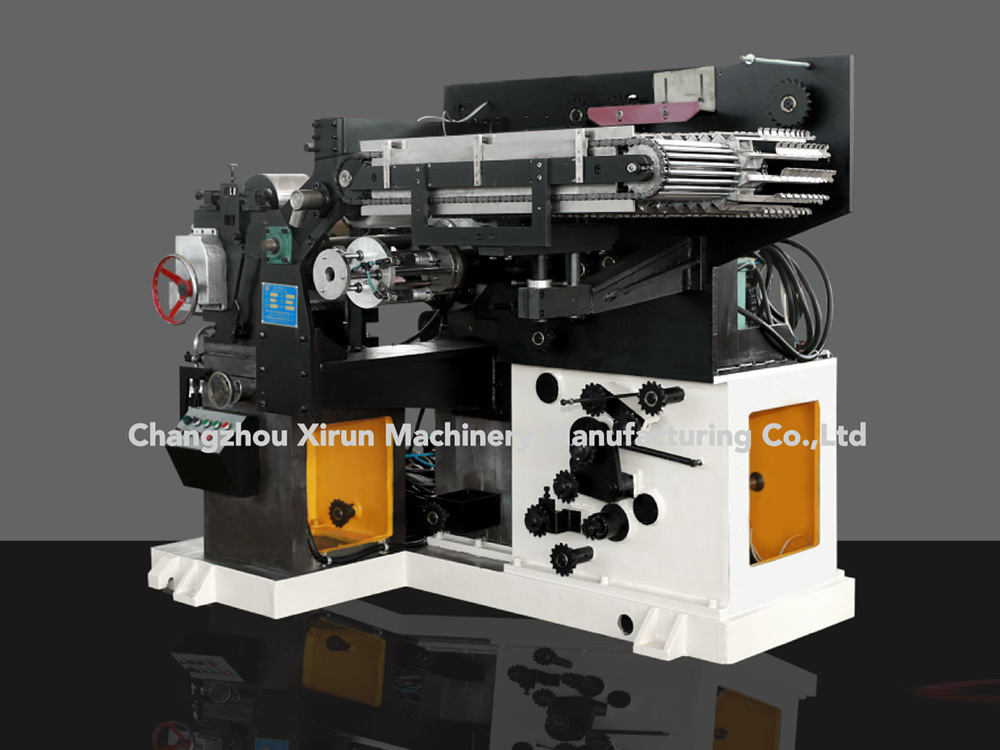
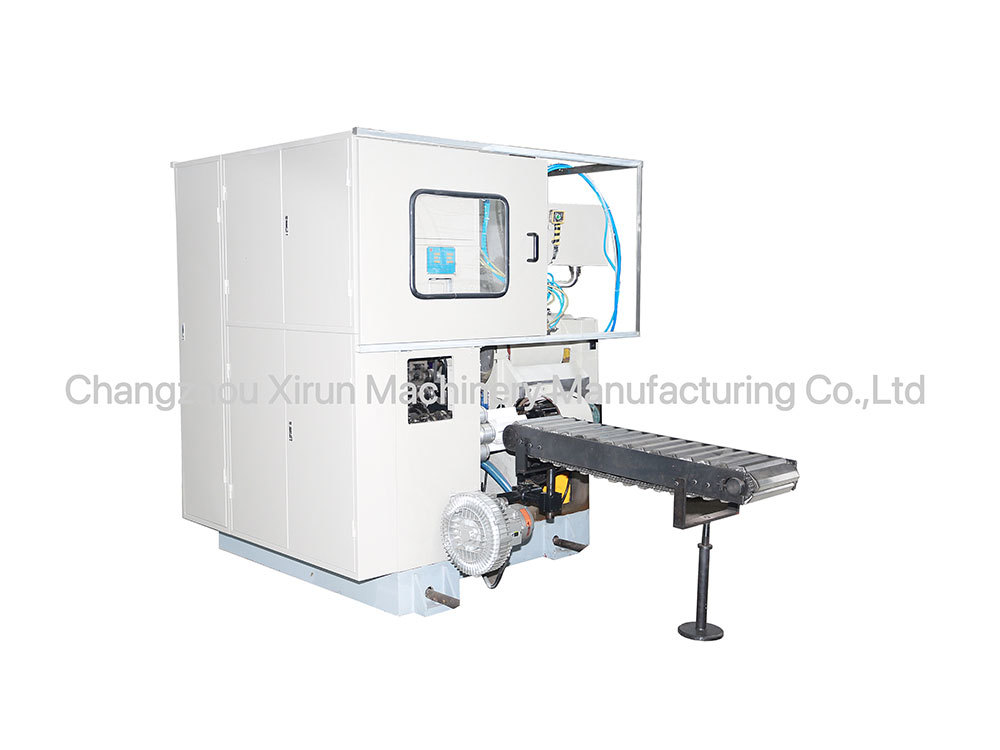
In the realm of metal packaging, particularly for aluminum and aluminum alloys, the internal lacquering machine is an essential piece of equipment that ensures the integrity and longevity of packaged goods. These machines are designed to apply a protective coating to the interior surfaces of metal containers, such as cans and jars, thus safeguarding the contents from contamination and chemical reactions.
The primary function of an internal lacquering machine is to deposit a thin layer of lacquer onto the metal surface. This process not only creates a barrier between the metal and the contents but also helps prevent corrosion and oxidation. By using advanced technologies, these machines can achieve uniform coating thickness, ensuring that every part of the container is adequately protected. This is particularly crucial in industries where cleanliness and safety are paramount, such as food and beverage packaging.
One of the major benefits of using an internal lacquering machine is the enhancement of shelf life for products. By preventing interactions between the metal and the packaged goods, the lacquer helps maintain flavor, aroma, and overall quality. This is especially important for products that are sensitive to environmental factors, such as acids and moisture. By investing in an internal lacquering machine, businesses can significantly reduce the risk of spoilage, which ultimately leads to improved customer satisfaction and reduced waste.
Moreover, the efficiency of internal lacquering machines can contribute to overall production speed. Modern machines are often automated, allowing for quicker processing times and lower labor costs. This automation can lead to higher output rates, enabling manufacturers to meet increasing demand without compromising on quality. Additionally, many machines are equipped with advanced monitoring systems that ensure consistent application and highlight any anomalies in real time, further enhancing operational efficiency.
Maintenance is another critical aspect of internal lacquering machines. Regular upkeep is necessary to ensure optimal performance and longevity of the equipment. Operators should be trained to perform routine checks and maintenance tasks, such as cleaning nozzles and inspecting components for wear and tear. This proactive approach can prevent downtime and costly repairs, ensuring that production remains steady.
In summary, internal lacquering machines play a vital role in the metal packaging industry, particularly for aluminum and aluminum alloys. Their ability to provide essential protection to packaged goods enhances product quality and extends shelf life, making them indispensable for manufacturers. By understanding the benefits and functionalities of these machines, businesses can make informed decisions that contribute to their success in the competitive packaging market.
The primary function of an internal lacquering machine is to deposit a thin layer of lacquer onto the metal surface. This process not only creates a barrier between the metal and the contents but also helps prevent corrosion and oxidation. By using advanced technologies, these machines can achieve uniform coating thickness, ensuring that every part of the container is adequately protected. This is particularly crucial in industries where cleanliness and safety are paramount, such as food and beverage packaging.
One of the major benefits of using an internal lacquering machine is the enhancement of shelf life for products. By preventing interactions between the metal and the packaged goods, the lacquer helps maintain flavor, aroma, and overall quality. This is especially important for products that are sensitive to environmental factors, such as acids and moisture. By investing in an internal lacquering machine, businesses can significantly reduce the risk of spoilage, which ultimately leads to improved customer satisfaction and reduced waste.
Moreover, the efficiency of internal lacquering machines can contribute to overall production speed. Modern machines are often automated, allowing for quicker processing times and lower labor costs. This automation can lead to higher output rates, enabling manufacturers to meet increasing demand without compromising on quality. Additionally, many machines are equipped with advanced monitoring systems that ensure consistent application and highlight any anomalies in real time, further enhancing operational efficiency.
Maintenance is another critical aspect of internal lacquering machines. Regular upkeep is necessary to ensure optimal performance and longevity of the equipment. Operators should be trained to perform routine checks and maintenance tasks, such as cleaning nozzles and inspecting components for wear and tear. This proactive approach can prevent downtime and costly repairs, ensuring that production remains steady.
In summary, internal lacquering machines play a vital role in the metal packaging industry, particularly for aluminum and aluminum alloys. Their ability to provide essential protection to packaged goods enhances product quality and extends shelf life, making them indispensable for manufacturers. By understanding the benefits and functionalities of these machines, businesses can make informed decisions that contribute to their success in the competitive packaging market.
internal lacquering machine
Latest Blog
Leave A Message
You can leave comments and suggestions to us here, and we will reply in time
Phone: +86-13671610042
Add: No. 18, Hengli Road, Xueyan Town, Wujin District, Changzhou City, Jiangsu Province

Whatsapp QR