


Understanding Trimming Machines in Metal Packaging: A Comprehensive Guide
Trimming machines play a critical role in the packaging and printing sectors, particularly within the domain of metal packaging materials like aluminum and its alloys. These machines are specifically designed to cut or trim metal sheets to specific dimensions, ensuring precision and uniformity in the final product. In industries where metal packaging is prevalent, such as food and beverage, cosmet
Release time:
2026-01-08
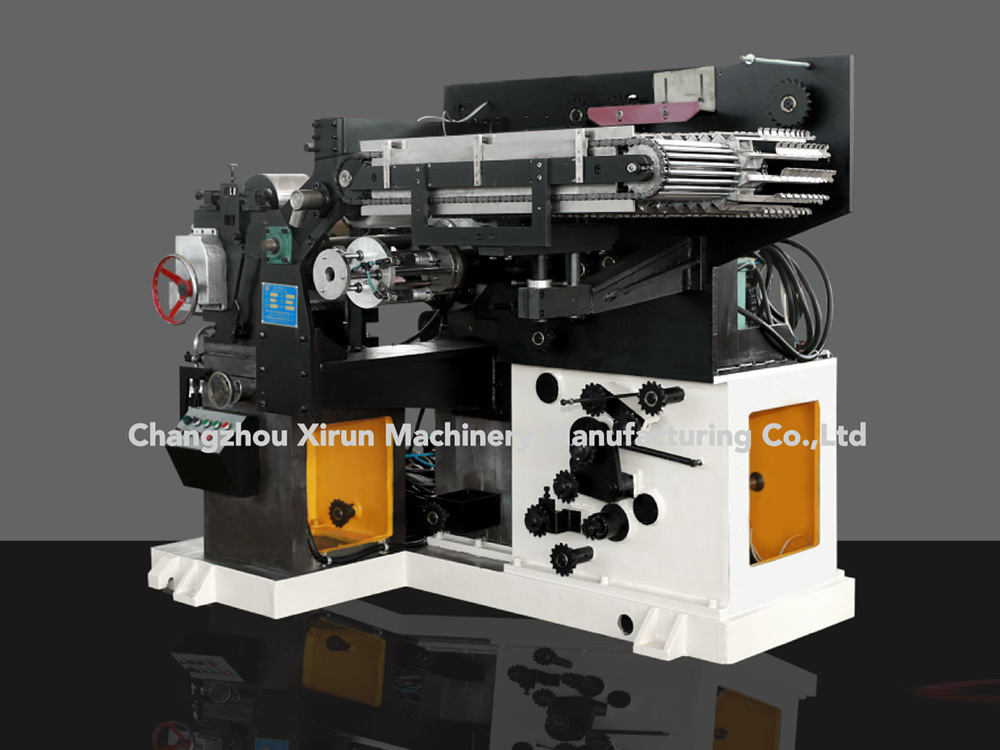
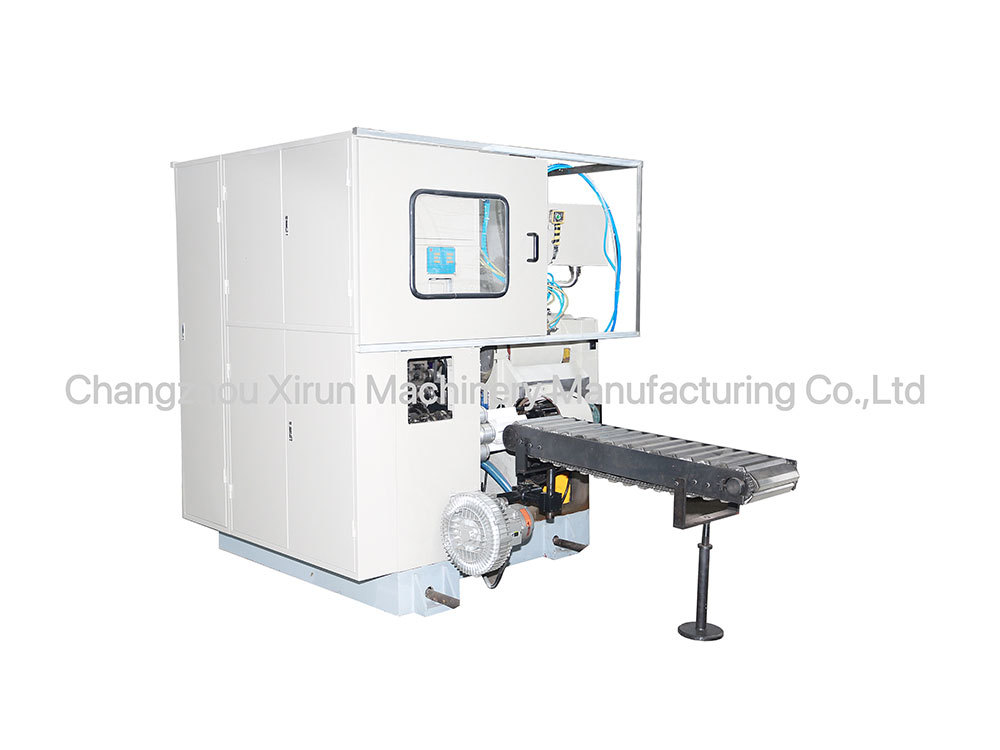
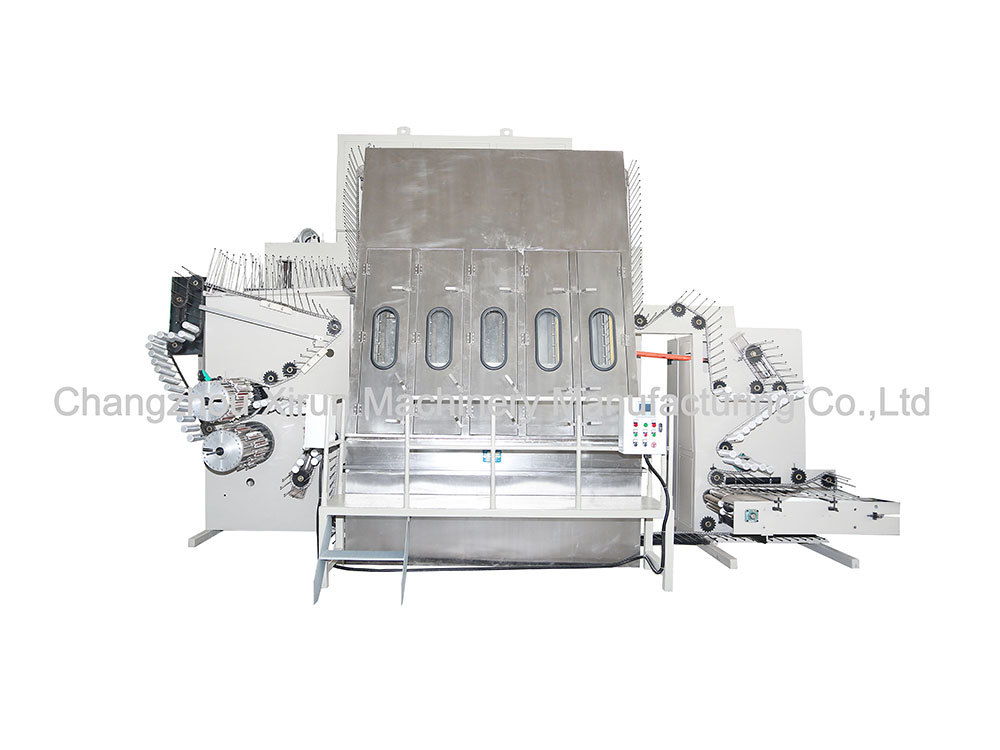
Trimming machines play a critical role in the packaging and printing sectors, particularly within the domain of metal packaging materials like aluminum and its alloys. These machines are specifically designed to cut or trim metal sheets to specific dimensions, ensuring precision and uniformity in the final product. In industries where metal packaging is prevalent, such as food and beverage, cosmetics, and pharmaceuticals, the efficiency of trimming processes significantly impacts overall production.
One of the primary benefits of using a trimming machine is its ability to increase accuracy and reduce waste. Manual trimming can lead to inconsistencies and errors, which in turn can elevate production costs and extend delivery times. By investing in a trimming machine, companies can achieve a higher level of precision, thus minimizing material waste and optimizing resource utilization.
Trimming machines operate on various principles, depending on the specific application and type of metal being processed. For aluminum and aluminum alloys, machines equipped with advanced cutting technologies, such as laser or rotary blade systems, can effectively handle the unique properties of these materials. These machines are typically adjustable, allowing for quick changes in settings to accommodate different thicknesses and sizes of metal sheets, thus enhancing flexibility in production.
Moreover, advancements in trimming machine technology have led to the incorporation of automation features, which can streamline operations and enhance productivity. Automated trimming machines can be programmed to execute multiple cutting patterns and sequences without the need for extensive manual intervention. This not only speeds up the trimming process but also allows for greater consistency in product quality.
In addition to these technical advantages, trimming machines can also contribute to workplace safety. Many modern machines are designed with safety features that minimize the risk of accidents, providing a safer environment for operators. This is particularly crucial in industries handling heavy materials, where the risk of injury can be significant.
When selecting a trimming machine, it’s essential to consider the specific needs of your operation. Factors such as production volume, the variety of materials processed, and the desired level of automation should all be evaluated to ensure the chosen machine aligns with your operational goals. Furthermore, regular maintenance and calibration of trimming machines are vital to maintaining their efficiency and longevity.
In summary, trimming machines are indispensable tools in the metal packaging industry, particularly for working with aluminum and aluminum alloys. Their ability to improve accuracy, reduce waste, and enhance productivity makes them an essential investment for businesses looking to optimize their packaging processes. By understanding the functionalities and advantages of trimming machines, professionals can make informed decisions that drive efficiency and quality in their operations.
One of the primary benefits of using a trimming machine is its ability to increase accuracy and reduce waste. Manual trimming can lead to inconsistencies and errors, which in turn can elevate production costs and extend delivery times. By investing in a trimming machine, companies can achieve a higher level of precision, thus minimizing material waste and optimizing resource utilization.
Trimming machines operate on various principles, depending on the specific application and type of metal being processed. For aluminum and aluminum alloys, machines equipped with advanced cutting technologies, such as laser or rotary blade systems, can effectively handle the unique properties of these materials. These machines are typically adjustable, allowing for quick changes in settings to accommodate different thicknesses and sizes of metal sheets, thus enhancing flexibility in production.
Moreover, advancements in trimming machine technology have led to the incorporation of automation features, which can streamline operations and enhance productivity. Automated trimming machines can be programmed to execute multiple cutting patterns and sequences without the need for extensive manual intervention. This not only speeds up the trimming process but also allows for greater consistency in product quality.
In addition to these technical advantages, trimming machines can also contribute to workplace safety. Many modern machines are designed with safety features that minimize the risk of accidents, providing a safer environment for operators. This is particularly crucial in industries handling heavy materials, where the risk of injury can be significant.
When selecting a trimming machine, it’s essential to consider the specific needs of your operation. Factors such as production volume, the variety of materials processed, and the desired level of automation should all be evaluated to ensure the chosen machine aligns with your operational goals. Furthermore, regular maintenance and calibration of trimming machines are vital to maintaining their efficiency and longevity.
In summary, trimming machines are indispensable tools in the metal packaging industry, particularly for working with aluminum and aluminum alloys. Their ability to improve accuracy, reduce waste, and enhance productivity makes them an essential investment for businesses looking to optimize their packaging processes. By understanding the functionalities and advantages of trimming machines, professionals can make informed decisions that drive efficiency and quality in their operations.
trimming machine
Latest Blog
Leave A Message
You can leave comments and suggestions to us here, and we will reply in time
Phone: +86-13671610042
Add: No. 18, Hengli Road, Xueyan Town, Wujin District, Changzhou City, Jiangsu Province

Whatsapp QR