


Understanding Internal Lacquering Machines: Key Insights for Metal Packaging Professionals
In the metal packaging industry, particularly when dealing with aluminum and its alloys, the internal lacquering machine plays a crucial role in ensuring product integrity and longevity. These machines are designed to apply a protective lacquer coating to the inner surfaces of metal containers, enhancing their resistance to corrosion, improving chemical compatibility, and ensuring the safety of th
Release time:
2026-01-12
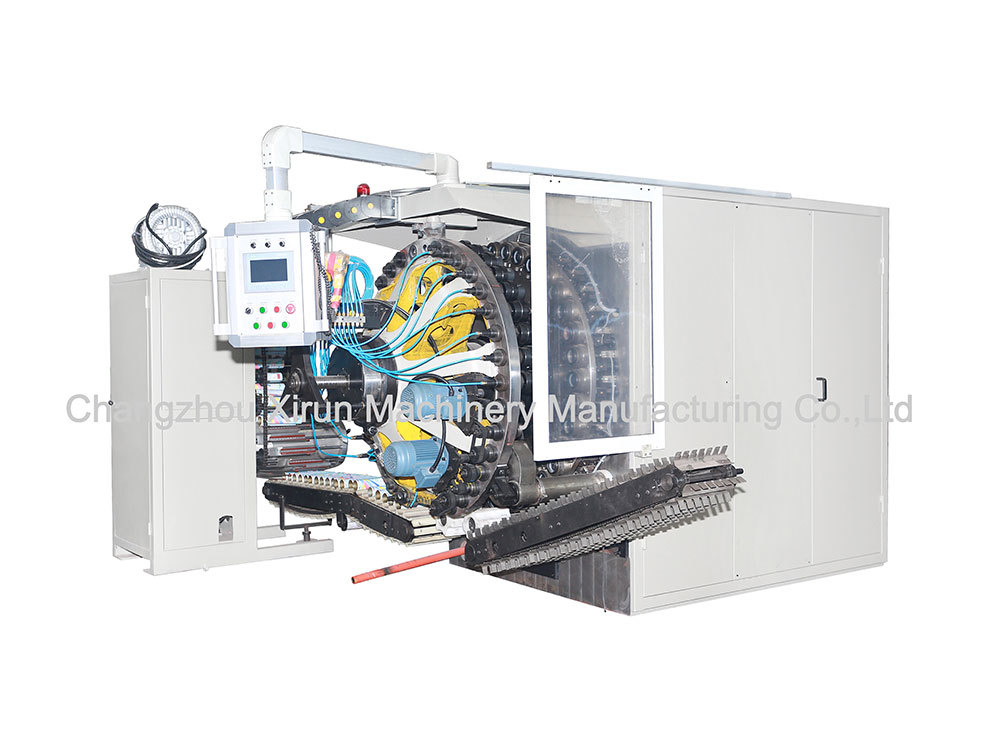
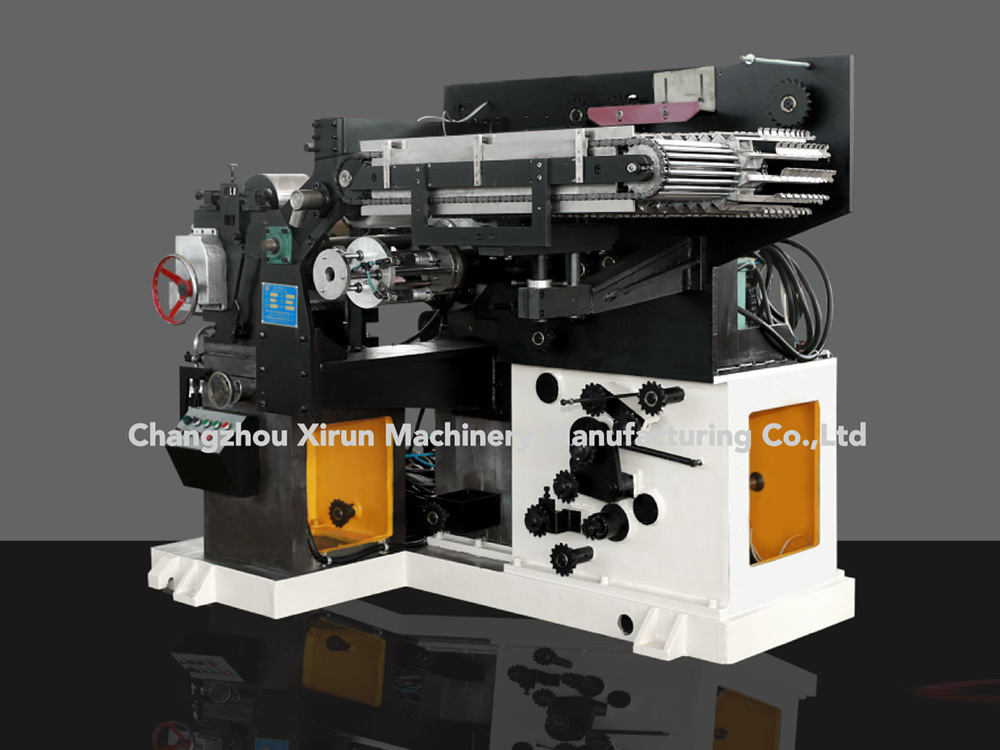
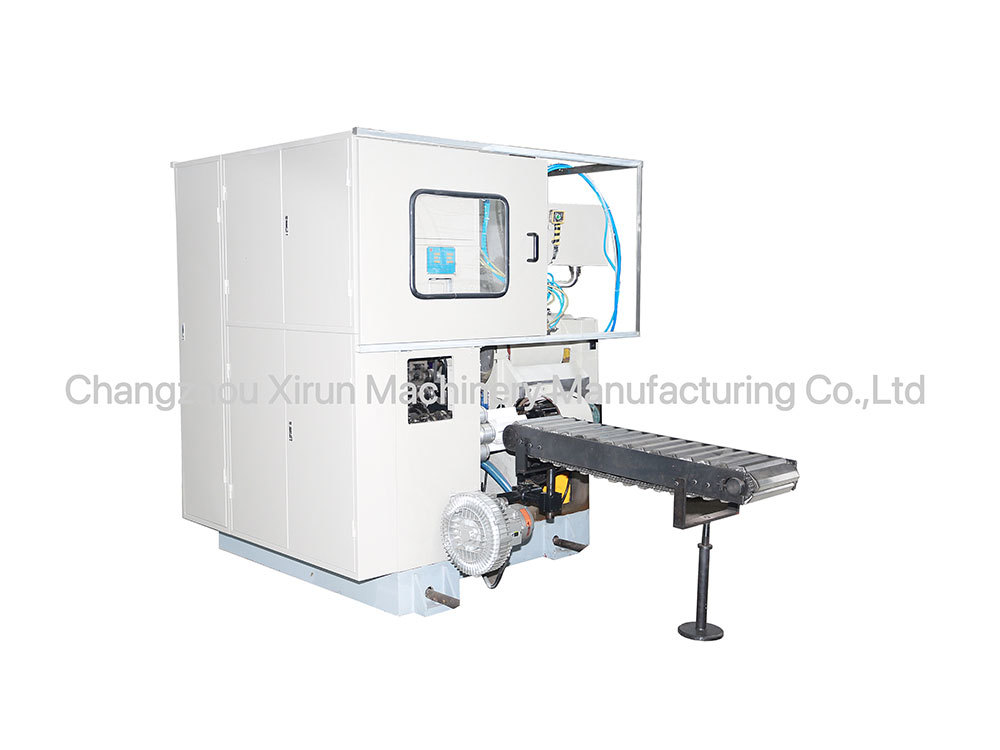
In the metal packaging industry, particularly when dealing with aluminum and its alloys, the internal lacquering machine plays a crucial role in ensuring product integrity and longevity. These machines are designed to apply a protective lacquer coating to the inner surfaces of metal containers, enhancing their resistance to corrosion, improving chemical compatibility, and ensuring the safety of the contents.
Internal lacquering serves multiple purposes, particularly in applications involving food and beverage packaging. The lacquer acts as a barrier between the metal and the product, preventing unwanted reactions that could compromise flavor, aroma, or overall quality. This is particularly vital for aluminum packaging, which is widely used due to its lightweight nature and recyclability.
When considering the selection of an internal lacquering machine, professionals in the packaging industry should take into account several key factors. First, the machine's application method is critical. Common application techniques include spraying, roller coating, and electrostatic deposition. Each method has its advantages and is suited for different production scales and types of lacquer materials. For example, spray application is ideal for achieving fine coatings on complex geometries, while roller coating may be more efficient for larger volumes.
Additionally, the curing process of the lacquer is essential for achieving the desired durability. Many internal lacquering machines feature integrated curing systems, which can employ heat or UV light to fast-track the drying process, enhancing productivity. This is an important consideration as it directly impacts the overall throughput of the production line.
Another aspect to consider is the maintenance and cleaning of the internal lacquering machine. Given the nature of lacquering, which often involves the use of solvents and chemicals, regular maintenance is essential to avoid cross-contamination and ensure consistent application quality. The choice of machine should incorporate features that facilitate easy cleaning and maintenance, thus minimizing downtime.
Moreover, operators should be trained effectively to handle the machinery, as improper use can lead to defects in the lacquer application. Ensuring that staff are well-versed in operating procedures will aid in maintaining quality control and optimizing production efficiency.
In summary, the internal lacquering machine is a vital tool in the metal packaging sector, particularly for aluminum products. By understanding its functionalities, application methods, and maintenance requirements, packaging professionals can significantly improve their production processes, ensuring the delivery of high-quality, reliable packaging solutions. Investing in advanced internal lacquering technology not only enhances product performance but also contributes to sustainability efforts through improved recyclability and reduced waste.
Internal lacquering serves multiple purposes, particularly in applications involving food and beverage packaging. The lacquer acts as a barrier between the metal and the product, preventing unwanted reactions that could compromise flavor, aroma, or overall quality. This is particularly vital for aluminum packaging, which is widely used due to its lightweight nature and recyclability.
When considering the selection of an internal lacquering machine, professionals in the packaging industry should take into account several key factors. First, the machine's application method is critical. Common application techniques include spraying, roller coating, and electrostatic deposition. Each method has its advantages and is suited for different production scales and types of lacquer materials. For example, spray application is ideal for achieving fine coatings on complex geometries, while roller coating may be more efficient for larger volumes.
Additionally, the curing process of the lacquer is essential for achieving the desired durability. Many internal lacquering machines feature integrated curing systems, which can employ heat or UV light to fast-track the drying process, enhancing productivity. This is an important consideration as it directly impacts the overall throughput of the production line.
Another aspect to consider is the maintenance and cleaning of the internal lacquering machine. Given the nature of lacquering, which often involves the use of solvents and chemicals, regular maintenance is essential to avoid cross-contamination and ensure consistent application quality. The choice of machine should incorporate features that facilitate easy cleaning and maintenance, thus minimizing downtime.
Moreover, operators should be trained effectively to handle the machinery, as improper use can lead to defects in the lacquer application. Ensuring that staff are well-versed in operating procedures will aid in maintaining quality control and optimizing production efficiency.
In summary, the internal lacquering machine is a vital tool in the metal packaging sector, particularly for aluminum products. By understanding its functionalities, application methods, and maintenance requirements, packaging professionals can significantly improve their production processes, ensuring the delivery of high-quality, reliable packaging solutions. Investing in advanced internal lacquering technology not only enhances product performance but also contributes to sustainability efforts through improved recyclability and reduced waste.
internal lacquering machine
Latest Blog
Leave A Message
You can leave comments and suggestions to us here, and we will reply in time
Phone: +86-13671610042
Add: No. 18, Hengli Road, Xueyan Town, Wujin District, Changzhou City, Jiangsu Province

Whatsapp QR