


Transforming Ideas into Reality with Multi-Color Printing: A Deep Dive into Innovations and Techniques
Transforming Ideas into Reality with Multi-Color Printing Table of Contents 1. Introduction to Multi-Color Printing 2. The Evolution of Printing Techniques 3. Types of Multi-Color Printing Methods 3.1 Digital Printing 3.2 Offset Printing 3.3 Flexographic Printing 3.4 Gravure Printing 4. Applications of Multi-Color Printing 5. Benefits of Multi-Color Printing for Businesses 6.
Release time:
2026-06-20
Transforming Ideas into Reality with Multi-Color Printing
Table of Contents
1. Introduction to Multi-Color Printing
2. The Evolution of Printing Techniques
3. Types of Multi-Color Printing Methods
3.1 Digital Printing
3.2 Offset Printing
3.3 Flexographic Printing
3.4 Gravure Printing
4. Applications of Multi-Color Printing
5. Benefits of Multi-Color Printing for Businesses
6. Choosing the Right Multi-Color Printing Method
7. Tips for Designing Effective Multi-Color Print Materials
8. Future Trends in Multi-Color Printing Technology
9. Frequently Asked Questions (FAQs)
10. Conclusion
1. Introduction to Multi-Color Printing
Multi-color printing has revolutionized the way businesses and creators express their ideas visually. This printing innovation allows for the creation of vibrant, high-quality images that can attract attention and communicate messages effectively. Using a combination of colors, designers can enhance their projects, whether they involve marketing materials, packaging, or art prints. The ability to print in multiple colors opens up endless possibilities, enabling brands to showcase their identity and engage with audiences on a deeper level.
2. The Evolution of Printing Techniques
The journey of printing techniques has been nothing short of remarkable. From the **invention of the printing press** by Johannes Gutenberg in the 15th century to today's advanced digital technologies, the evolution reflects a continuous quest for improvement in quality, speed, and versatility. Early methods were limited in terms of color, often using just one or two shades. However, advancements in technology have paved the way for multi-color printing, allowing for a broad spectrum of hues and shades, transforming how ideas are brought to life.
3. Types of Multi-Color Printing Methods
Understanding the various multi-color printing methods is crucial for selecting the right approach for your project. Each method has its unique advantages and applications, making them suitable for different purposes.
3.1 Digital Printing
Digital printing has quickly become a favorite among businesses for its **flexibility and efficiency**. This method allows for quick turnaround times and customization, making it an ideal choice for short runs and personalized prints. Digital printers can produce vibrant colors with remarkable precision, making them perfect for everything from **business cards** to large-format posters.
3.2 Offset Printing
Offset printing is a traditional method that remains popular due to its **high-quality output** and cost-effectiveness for large volumes. It involves transferring ink from a plate to a rubber blanket, then to the printing surface. This method excels in producing consistent color quality, making it suitable for magazines, books, and brochures.
3.3 Flexographic Printing
Flexographic printing utilizes flexible relief plates and is commonly used for packaging materials, labels, and newspapers. It is known for its ability to print on various substrates, including plastic and foil, while maintaining bright colors and sharp images. This technique is particularly advantageous for high-speed production runs.
3.4 Gravure Printing
Gravure printing is a high-quality, high-speed printing method often used for long-run projects. This method employs engraved copper cylinders to transfer ink, allowing for consistent color reproduction and fine detail in images. Gravure is commonly used for magazines, catalogs, and packaging.
4. Applications of Multi-Color Printing
Multi-color printing has a wide array of applications across different industries, each requiring unique considerations and approaches. Here are some common uses:
- **Marketing Materials**: Brochures, flyers, and catalogs benefit from vibrant colors that draw attention and convey information effectively.
- **Packaging**: Eye-catching packaging with multi-color designs can enhance product appeal and brand recognition.
- **Promotional Items**: From business cards to banners, multi-color printing can elevate promotional materials, making them memorable.
- **Textiles**: Fabrics printed with multiple colors can create stunning apparel and home decor items, showcasing intricate designs.
5. Benefits of Multi-Color Printing for Businesses
Investing in multi-color printing can yield numerous advantages for businesses, including:
- **Enhanced Brand Identity**: Utilizing a range of colors helps businesses establish a recognizable brand presence, making them more memorable to consumers.
- **Increased Engagement**: Visually striking materials can capture attention more effectively, encouraging potential customers to engage with the content.
- **Versatile Customization**: Multi-color printing allows for personalization, enabling businesses to tailor their materials to specific audiences or campaigns.
- **Higher Perceived Value**: High-quality, multi-color prints often convey professionalism and attention to detail, enhancing the perceived value of the product or service.
6. Choosing the Right Multi-Color Printing Method
Selecting the appropriate printing method for your project involves considering several factors:
- **Volume**: Determine how many pieces you need. For larger runs, offset or gravure may be more cost-effective, while digital is better for smaller quantities.
- **Material**: Consider what substrates you’ll be printing on, as some methods offer more versatility than others.
- **Budget**: Each printing method has its cost implications. Assess your budget and compare the upfront costs versus long-term benefits.
- **Design Complexity**: If your design includes intricate details or a wide color range, ensure the chosen method can accurately reproduce these features.
7. Tips for Designing Effective Multi-Color Print Materials
Successful multi-color print materials require thoughtful design and consideration of several factors:
- **Color Harmony**: Use a color palette that aligns with your brand identity and resonates with your target audience. Utilize color theory principles to ensure balance.
- **Brand Consistency**: Maintain consistent branding across all printed materials to reinforce recognition and trust.
- **High-Quality Images**: Ensure all images are high resolution (at least 300 dpi) to avoid pixelation and maintain clarity in prints.
- **Clear Typography**: Select fonts that are legible and align with your brand’s personality. Ensure there’s enough contrast between the text and background colors.
8. Future Trends in Multi-Color Printing Technology
The printing industry is continually evolving, with technology playing a pivotal role in shaping its future. Here are some trends to watch:
- **Sustainable Printing**: The push for eco-friendly practices is leading to the development of sustainable inks and recyclable materials, helping reduce the environmental impact.
- **Automation and AI**: Advancements in automation and artificial intelligence are streamlining production processes, enhancing efficiency, and reducing costs.
- **3D Printing**: While traditional printing focuses on flat surfaces, 3D printing technology is beginning to make waves in the industry, allowing for the creation of multi-dimensional designs.
- **Personalization at Scale**: As technology advances, the ability to personalize large batches of prints will become easier and more cost-effective, enabling businesses to target specific demographics more precisely.
9. Frequently Asked Questions (FAQs)
1. What is multi-color printing?
Multi-color printing refers to the process of printing images or designs using multiple colors, enhancing visual appeal and communication.
2. What are the common methods of multi-color printing?
Common methods include digital printing, offset printing, flexographic printing, and gravure printing. Each has unique applications and benefits.
3. How do I choose the right printing method for my project?
Consider factors like volume, material, budget, and design complexity to determine the most suitable printing method.
4. Can I customize my print materials in multiple colors?
Yes, multi-color printing allows for extensive customization, enabling businesses to create personalized materials.
5. How can multi-color printing benefit my business?
Multi-color printing enhances brand identity, increases engagement, and conveys professionalism, leading to a higher perceived value of products or services.
10. Conclusion
Multi-color printing stands as a powerful tool for transforming ideas into visual realities. By understanding the various techniques and their applications, businesses and creators can leverage this technology to enhance their marketing efforts and elevate their brand presence. As the industry evolves, staying informed about the latest trends and innovations will allow you to harness the full potential of multi-color printing, ensuring your projects not only stand out but also resonate with your target audience. Embrace the possibilities and let your creativity flow through the vibrant world of multi-color printing.
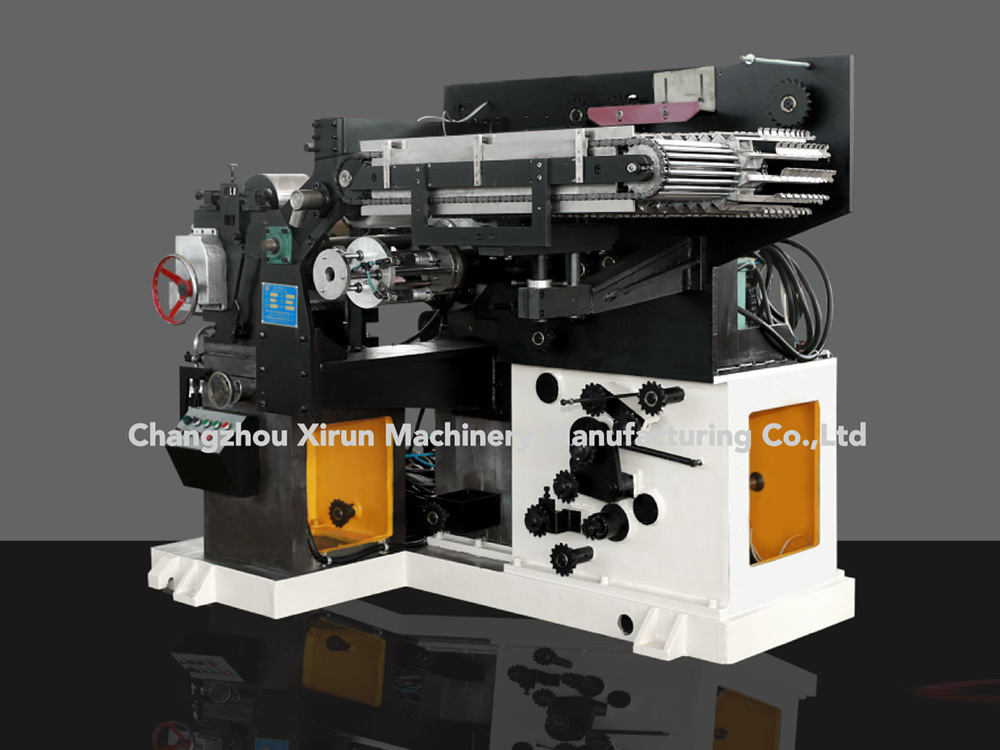
multi-color printing machine
Previous Page
Previous Page
Latest Blog


Leave A Message
You can leave comments and suggestions to us here, and we will reply in time
Phone: +86-13671610042
Add: No. 18, Hengli Road, Xueyan Town, Wujin District, Changzhou City, Jiangsu Province

Whatsapp QR