


The Science Behind Aluminum Extrusion: How It Works
The Science Behind Aluminum Extrusion: How It Works Table of Contents 1. Introduction to Aluminum Extrusion 2. What is Aluminum Extrusion? 3. A Brief History of Aluminum Extrusion 4. The Aluminum Extrusion Process 4.1 Preparation of Aluminum Billets 4.2 Heating the Aluminum 4.3 Different Extrusion Techniques 5. Applica
Release time:
2026-06-26
The Science Behind Aluminum Extrusion: How It Works
Table of Contents
- 1. Introduction to Aluminum Extrusion
- 2. What is Aluminum Extrusion?
- 3. A Brief History of Aluminum Extrusion
- 4. The Aluminum Extrusion Process
- 5. Applications of Aluminum Extrusion
- 6. Benefits of Aluminum Extrusion
- 7. Challenges in Aluminum Extrusion
- 8. Future Trends in Aluminum Extrusion
- 9. Conclusion
- 10. Frequently Asked Questions
1. Introduction to Aluminum Extrusion
Aluminum extrusion is a transformative process that enables the creation of complex shapes and profiles from aluminum materials. This method involves pushing heated aluminum through a die, resulting in various forms that cater to a multitude of applications. The significance of aluminum extrusion extends across diverse sectors, including construction, automotive, aerospace, and packaging. Understanding the intricacies of this process not only highlights its relevance but also showcases its versatility and efficiency.
2. What is Aluminum Extrusion?
Aluminum extrusion is a manufacturing process that allows for the shaping of aluminum alloys by forcing them through a predetermined die. This technique can produce a wide variety of geometric profiles, including solid, hollow, and semi-hollow shapes. The process is characterized by its ability to create consistent cross-sectional shapes at a high volume, making it a preferred method in industries that require precision and efficiency.
3. A Brief History of Aluminum Extrusion
The origins of aluminum extrusion date back to the early 19th century, with significant advancements occurring in the mid-1900s. The development of aluminum alloys and the invention of more efficient extrusion presses revolutionized the industry. Early uses of aluminum extrusion were primarily in the construction of lightweight structures, but over the decades, the process has evolved to meet the diverse needs of modern engineering and design.
4. The Aluminum Extrusion Process
The aluminum extrusion process consists of several critical steps that ensure the production of high-quality extruded products.
4.1 Preparation of Aluminum Billets
The first step in the extrusion process involves preparing aluminum billets. These are typically cylindrical logs of aluminum alloy that have been cast and subsequently cut to the desired length. Quality control is paramount during this phase, as the properties of the billet directly influence the final extruded product.
4.2 Heating the Aluminum
Once the billets are prepared, they undergo a heating process. Heating the aluminum to a specific temperature—usually between 400°F to 800°F—enhances its malleability, making it easier to work with during extrusion. This step is crucial as it affects the material's flow characteristics and the final finish of the extruded shape.
4.3 Different Extrusion Techniques
There are several techniques employed in aluminum extrusion, including:
- **Direct Extrusion**: The most common method, where the billet is pushed through the die.
- **Indirect Extrusion**: The die is moved towards the billet, providing a more controlled extrusion process.
- **Hydrostatic Extrusion**: Uses a fluid to apply pressure to the billet, allowing for intricate shapes and reduced friction.
Each technique has its specific advantages, applicable depending on the desired outcome and product specifications.
5. Applications of Aluminum Extrusion
Aluminum extrusion serves a wide range of applications across multiple industries:
- **Construction**: Used in window frames, doors, and roofing systems due to its lightweight yet durable properties.
- **Automotive**: Essential for vehicle components, improving fuel efficiency through weight reduction.
- **Aerospace**: Critical for aircraft structures where weight and strength are paramount.
- **Packaging**: Plays a vital role in the design of lightweight, recyclable packaging solutions.
The adaptability of aluminum extrusion allows manufacturers to cater to specific needs across these sectors effectively.
6. Benefits of Aluminum Extrusion
The advantages of aluminum extrusion are numerous:
- **Lightweight**: Aluminum is significantly lighter than other metals, reducing shipping costs and energy consumption.
- **Corrosion Resistance**: Aluminum naturally forms a protective oxide layer, enhancing its durability in various environments.
- **Versatility**: The ability to create complex shapes and profiles allows for innovative designs.
- **Sustainability**: Aluminum is 100% recyclable without losing its properties, contributing to sustainable manufacturing practices.
These benefits highlight why aluminum extrusion is a favored choice in various manufacturing processes.
7. Challenges in Aluminum Extrusion
Despite its many advantages, aluminum extrusion does come with challenges:
- **Cost of Equipment**: High initial investments in extrusion presses and die production can be a barrier for some manufacturers.
- **Quality Control**: Maintaining consistent quality throughout production can be demanding, particularly when dealing with complex profiles.
- **Material Limitations**: Not all aluminum alloys are suitable for extrusion, limiting choices for specific applications.
Overcoming these challenges requires knowledge, experience, and investment in technology.
8. Future Trends in Aluminum Extrusion
The future of aluminum extrusion appears promising, with several trends shaping its evolution:
- **Innovative Alloys**: Researchers are developing new aluminum alloys that enhance performance and expand application possibilities.
- **Automation**: Increased automation in the extrusion process will likely lead to higher efficiency and lower labor costs.
- **Sustainability Initiatives**: As environmental concerns rise, more manufacturers are focusing on sustainable practices, making aluminum a prime candidate due to its recyclability.
These trends indicate a progressive shift toward more efficient and eco-friendly aluminum extrusion processes.
9. Conclusion
Aluminum extrusion is a sophisticated manufacturing process that plays a crucial role in various industries. Understanding the science behind it—from the preparation of aluminum billets to the various techniques employed—reveals the complexity and innovation involved in creating extruded products. With its extensive applications, numerous benefits, and ongoing advancements, aluminum extrusion is poised to remain a cornerstone of modern manufacturing, addressing both the demands of specific industries and the growing need for sustainable practices.
10. Frequently Asked Questions
1. What materials are commonly used in aluminum extrusion?
Aluminum alloys, such as 6061 and 6063, are commonly used due to their excellent mechanical properties and corrosion resistance.
2. How does the heating process affect aluminum extrusion?
Heating aluminum enhances its malleability, making it easier to extrude into complex shapes while maintaining the desired mechanical properties.
3. What are the environmental benefits of aluminum extrusion?
Aluminum is fully recyclable, and its lightweight properties help reduce energy consumption during transportation, leading to a lower carbon footprint.
4. Can aluminum extrusion be combined with other materials?
Yes, aluminum extrusion can be combined with other materials such as plastics or glass to create hybrid products that enhance functionality.
5. What are the typical applications for custom aluminum extrusions?
Custom aluminum extrusions are used in a variety of applications, including architectural features, automotive parts, and specialized equipment components.
This comprehensive overview of aluminum extrusion elucidates its scientific principles, processes, applications, and future trends, ensuring readers gain a deep understanding of this vital manufacturing technique.
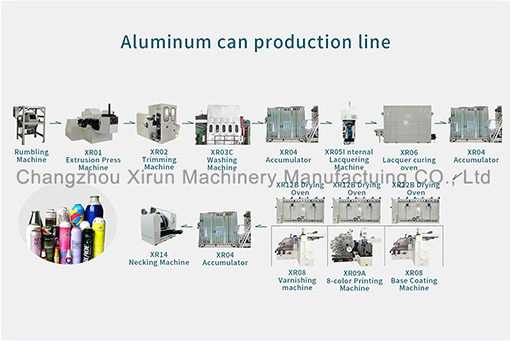
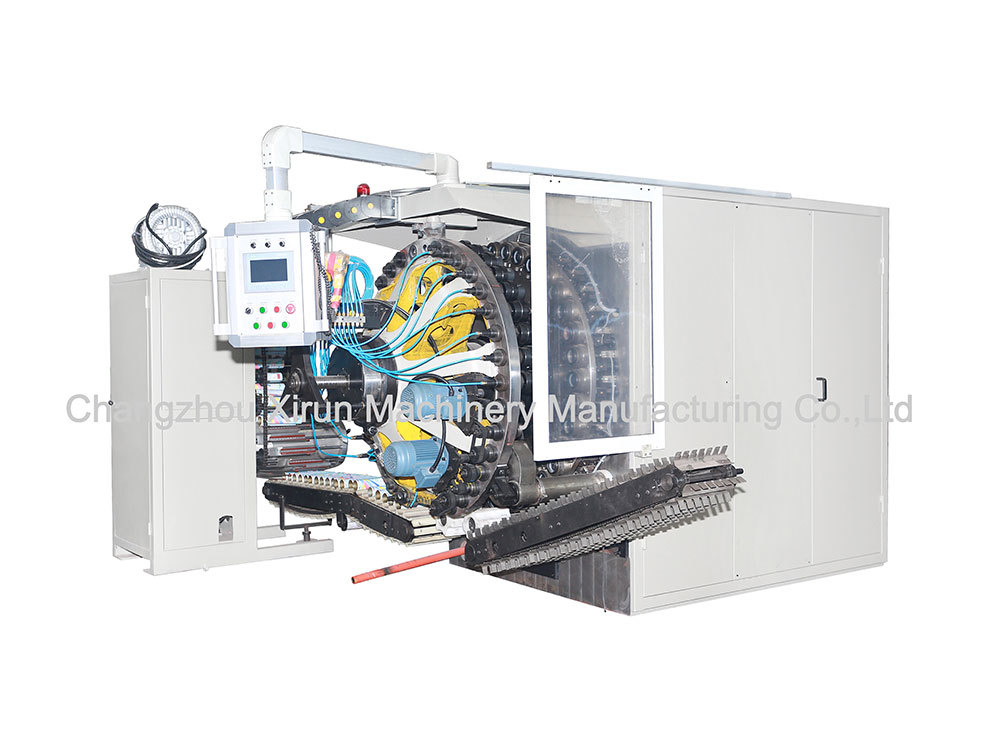
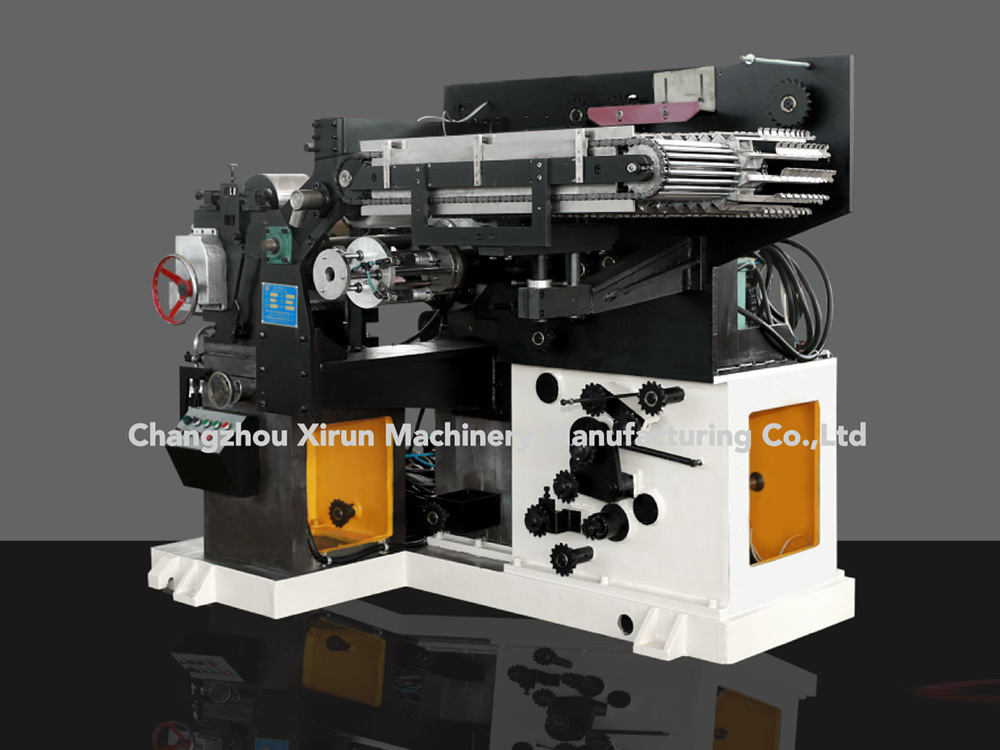
aluminum extrusion press machine
Latest Blog
Leave A Message
You can leave comments and suggestions to us here, and we will reply in time
Phone: +86-13671610042
Add: No. 18, Hengli Road, Xueyan Town, Wujin District, Changzhou City, Jiangsu Province

Whatsapp QR