


Understanding Internal Lacquering Machines: Enhancing Metal Packaging Quality
In the packaging and printing supplies sector, particularly concerning metal packaging materials like aluminum and aluminum alloys, internal lacquering machines play a vital role in enhancing product quality and ensuring the safety of the contents they hold. These machines are engineered to apply a protective lacquer layer on the inner surfaces of metal containers, thereby preventing direct contac
Release time:
2026-08-10
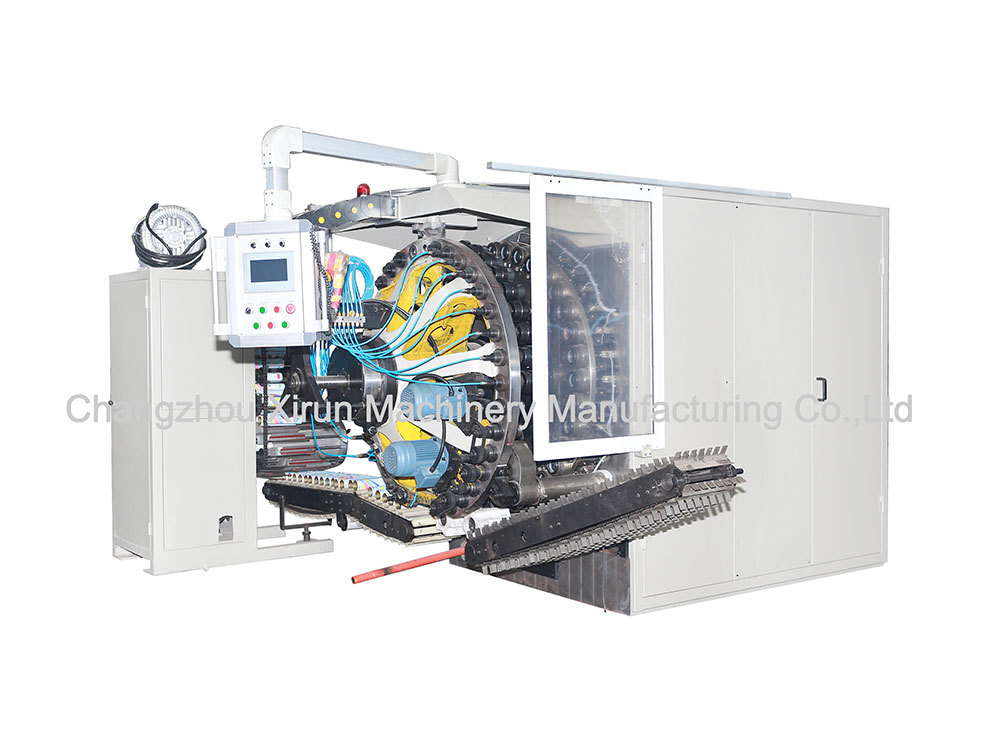
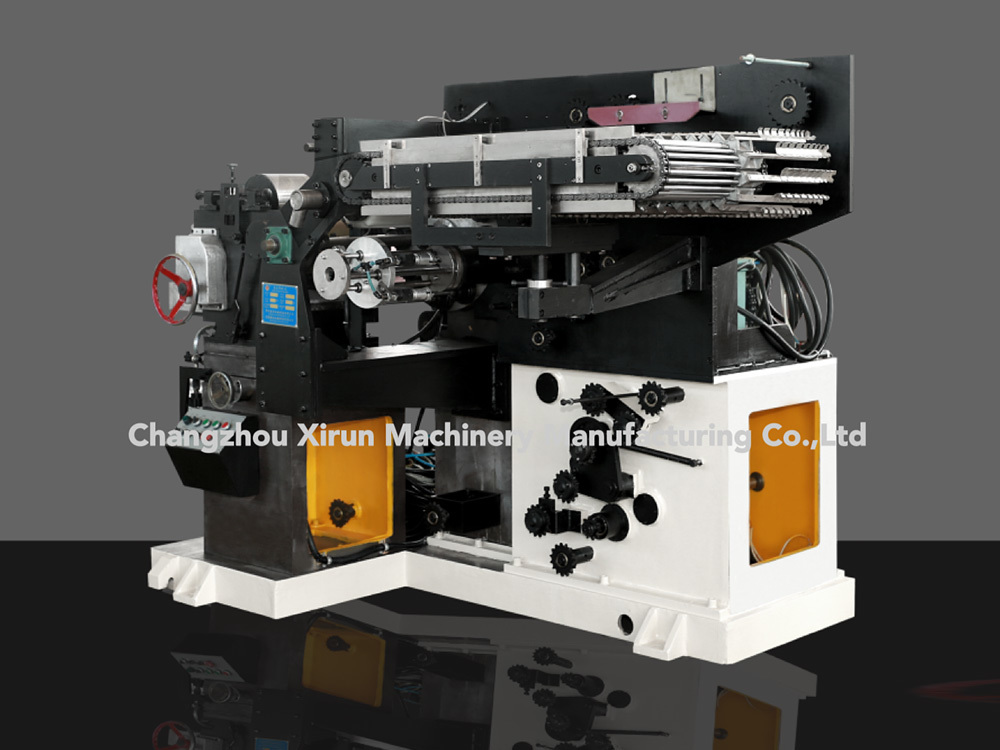
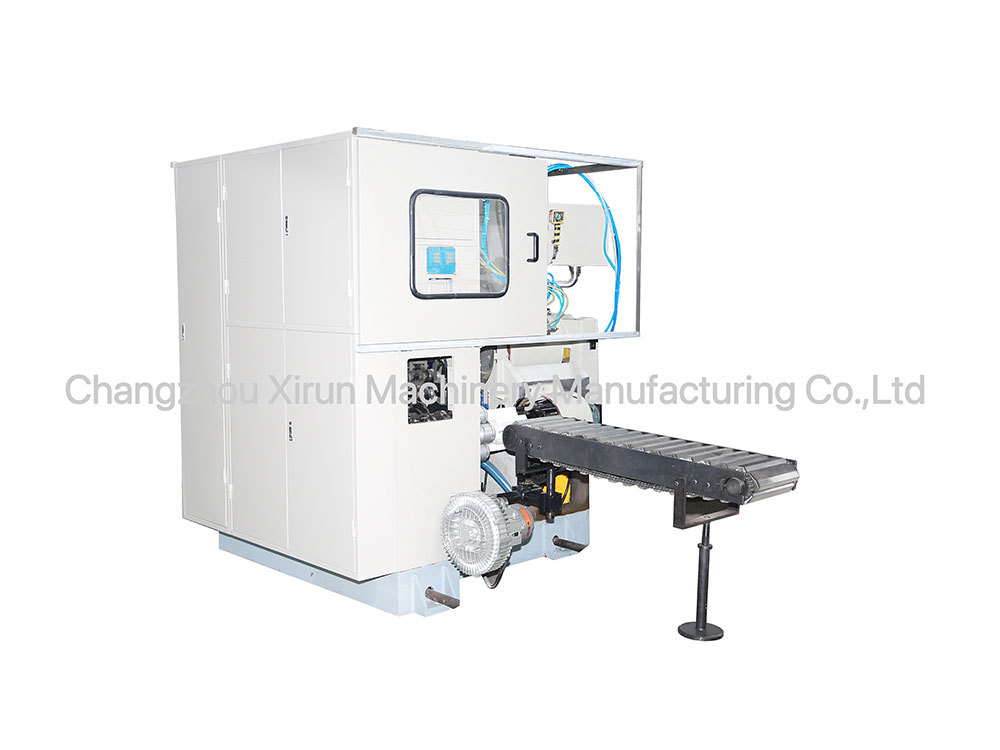
In the packaging and printing supplies sector, particularly concerning metal packaging materials like aluminum and aluminum alloys, internal lacquering machines play a vital role in enhancing product quality and ensuring the safety of the contents they hold. These machines are engineered to apply a protective lacquer layer on the inner surfaces of metal containers, thereby preventing direct contact between the metal and the contents. This is essential for food and beverage packaging, where corrosion and chemical reactions can compromise the product's integrity.
The process of internal lacquering involves several stages, including surface preparation, application, and curing of the lacquer. Initially, the interior of the metal container is cleaned to eliminate any contaminants that could affect adhesion. Following this, the lacquer is applied uniformly, often using precision spray technology or roller application systems. The curing process, crucial for achieving the desired hardness and chemical resistance, can involve UV light or thermal treatments, depending on the lacquer formulation used. Advances in curing technologies have significantly reduced processing times while enhancing the durability of the lacquer.
One of the primary advantages of using internal lacquering machines is the heightened protection they offer against corrosion, which is particularly important for aluminum packages in contact with acidic foods or beverages. The lacquer layer acts as a barrier, extending the shelf life of products and preventing flavor contamination, which is a significant concern in the food industry. Furthermore, the internal lacquer can enhance the overall aesthetic appeal of the packaging, providing a clean and professional finish that resonates with consumers.
With the increasing focus on sustainability and regulatory compliance in the packaging industry, modern internal lacquering machines are being designed with eco-friendly lacquers that minimize harmful emissions and environmental impact. These innovations are crucial in meeting the growing consumer demand for sustainable packaging solutions. Moreover, the integration of automation and digital technologies in internal lacquering machines allows for greater efficiency and precision, enabling manufacturers to achieve consistent quality across large production runs.
In conclusion, internal lacquering machines are indispensable in the metal packaging industry, particularly when working with aluminum and aluminum alloys. Their ability to enhance product safety, extend shelf life, and meet modern sustainability standards makes them a worthy investment for manufacturers aiming to improve their packaging solutions. Understanding the operational intricacies and benefits of these machines can empower industry professionals to optimize their packaging processes and meet evolving market demands effectively.
internal lacquering machine
Latest Blog
Leave A Message
You can leave comments and suggestions to us here, and we will reply in time
Phone: +86-13671610042
Add: No. 18, Hengli Road, Xueyan Town, Wujin District, Changzhou City, Jiangsu Province

Whatsapp QR