


Revolutionizing Packaging: The Rise of Aluminum Aerosol Cans Production Lines
High-efficiency aluminum aerosol cans production line produces durable, lightweight cans with precision forming, coating, printing, and assembly. Ideal for cosmetics, food, and chemical industries.
Release time:
2025-11-24
The global demand for aluminum aerosol cans has surged in recent years, driven by the increasing popularity of eco-friendly packaging solutions and the versatility of aluminum as a material. At the heart of this trend is the aluminum aerosol cans production line, a fully automated system designed to manufacture high-quality aerosol containers for industries ranging from cosmetics to food and chemicals. These production lines are redefining efficiency, sustainability, and product innovation in the packaging sector.
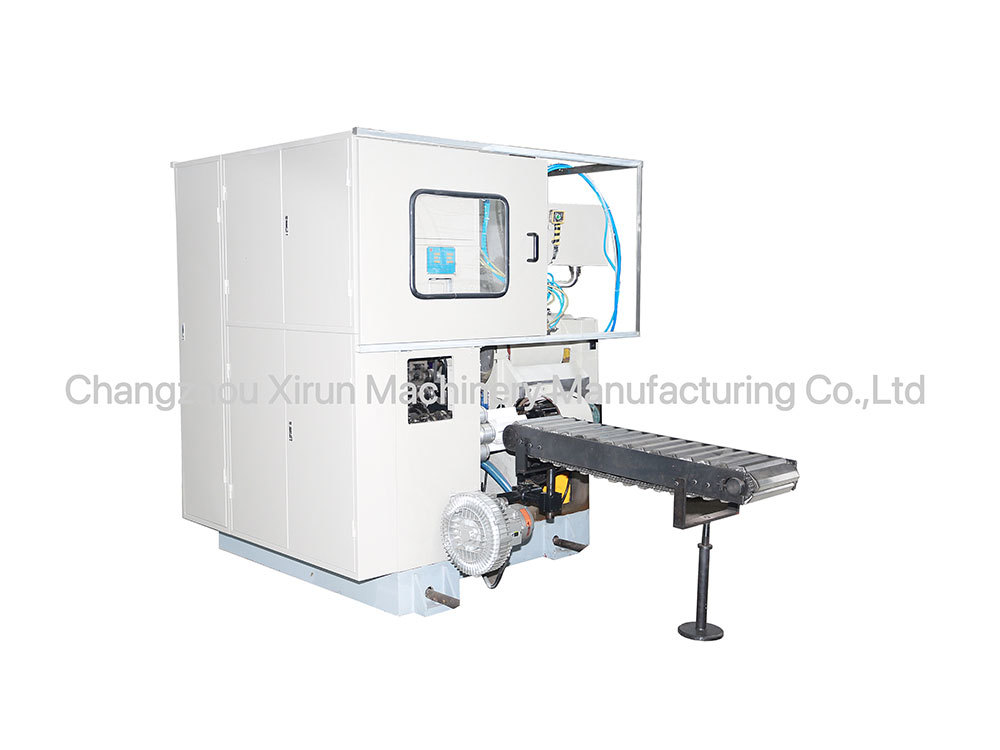
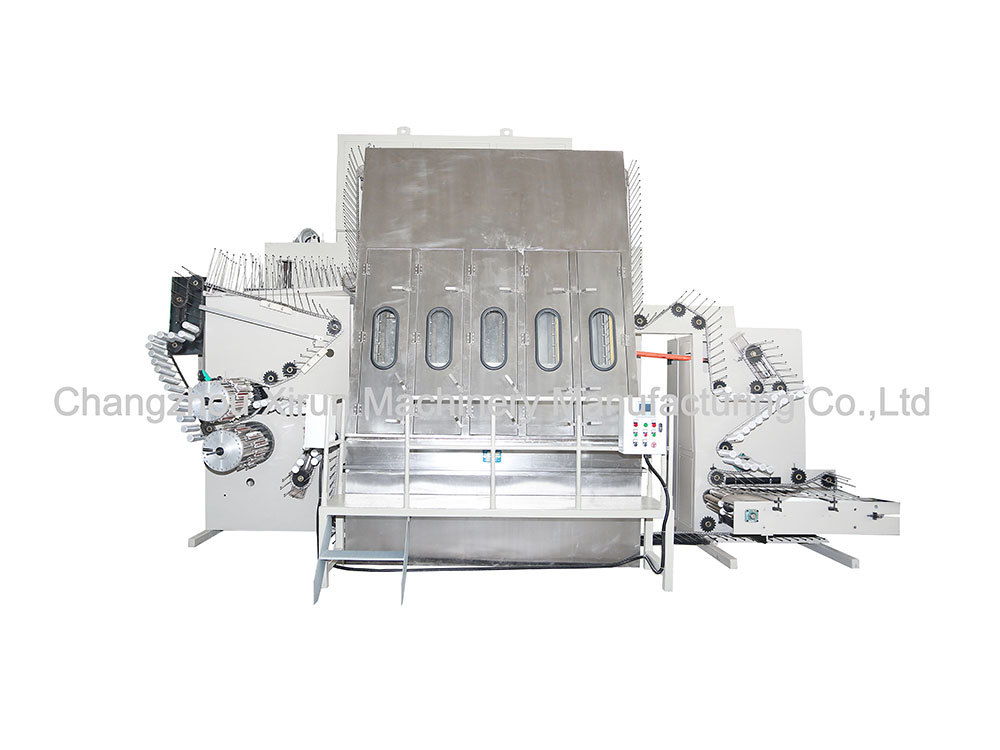
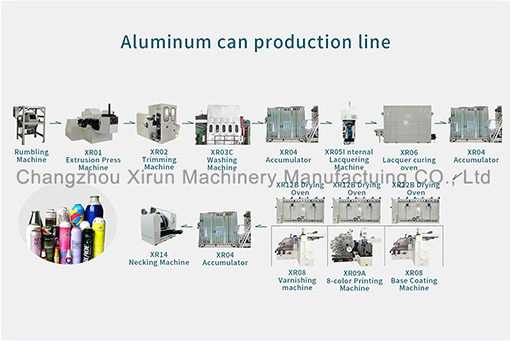
An aluminum aerosol cans production line integrates multiple advanced processes into a seamless workflow. Starting with body forming, aluminum sheets are shaped into precise cylindrical or customized forms through high-speed drawing and ironing machines. The trimming process ensures uniform height and diameter, maintaining consistency for subsequent operations. After forming, cans undergo washing and drying to remove impurities, a crucial step for maintaining product safety and coating adhesion.
Printing and coating are essential stages in the production line. Advanced printing technologies allow for high-resolution graphics, logos, and product information to be applied directly onto the aluminum surface. Protective coatings, both internal and external, enhance the cans’ corrosion resistance, prolong shelf life, and ensure compatibility with a wide range of substances, including cosmetics, paints, and food products. The assembly stage integrates valves, caps, and other components, creating a finished aerosol product ready for filling.
One of the standout features of modern aluminum aerosol can making machinery is its flexibility. Manufacturers can easily adjust the production line to produce different can sizes and shapes, from small cosmetic sprays to large industrial containers. Automation reduces human intervention, improving precision, lowering error rates, and increasing overall production speed. Some advanced lines incorporate smart monitoring systems, allowing real-time tracking of production metrics, predictive maintenance, and quality control analytics.
Sustainability is another driving factor behind the widespread adoption of aluminum aerosol cans production lines. Aluminum is 100% recyclable without losing its properties, making it an attractive alternative to plastic packaging. The production line itself is designed to minimize waste, reduce energy consumption, and comply with strict environmental regulations. Companies adopting these technologies demonstrate a commitment to greener manufacturing practices, which resonates with environmentally conscious consumers worldwide.
The versatility of aluminum aerosol cans makes them indispensable across multiple sectors. In the cosmetics industry, they provide airtight and lightweight packaging for deodorants, hairsprays, and perfumes. The food and beverage sector uses them for whipped creams, cooking sprays, and beverage foams, while the chemical and pharmaceutical industries rely on aluminum aerosol cans for paints, lubricants, and medical sprays. A well-optimized production line ensures that these cans are manufactured consistently, safely, and efficiently, supporting both small-scale and large-scale operations.
As global competition intensifies, manufacturers are investing in the latest aluminum can production line technologies to maintain a competitive edge. Innovations such as energy-efficient motors, precision servo systems, and automated quality inspection units have become standard in new production lines. Moreover, integration with IoT and Industry 4.0 technologies enables data-driven decision-making, predictive maintenance, and reduced downtime, further enhancing productivity.
The economic potential of investing in a modern aluminum aerosol cans production line is substantial. Companies can scale up production rapidly, meet growing demand, and reduce operational costs through automation. In addition, the ability to customize cans in terms of size, shape, and design allows brands to differentiate themselves in saturated markets. With consumer preference increasingly favoring sustainable and premium packaging, aluminum aerosol cans production lines represent a strategic investment for manufacturers worldwide.
In conclusion, the aluminum aerosol cans production line has transformed the way aerosol containers are produced, offering a combination of efficiency, flexibility, and sustainability. By integrating cutting-edge machinery, automation, and eco-friendly materials, manufacturers can deliver high-quality aerosol cans across diverse industries. As technology continues to evolve, these production lines will remain at the forefront of packaging innovation, meeting the needs of businesses and consumers alike. The rise of aluminum aerosol cans production lines signals a new era in modern packaging, where precision engineering, sustainability, and market responsiveness converge to redefine industry standards.
aluminum aerosol cans production line
Previous Page
Latest Blog
Leave A Message
You can leave comments and suggestions to us here, and we will reply in time
Phone: +86-13671610042
Add: No. 18, Hengli Road, Xueyan Town, Wujin District, Changzhou City, Jiangsu Province

Whatsapp QR