


Understanding Trimming Machines in the Aluminum Packaging Industry
Trimming machines are vital tools in the packaging and printing industry, particularly in the realm of metal packaging materials such as aluminum and aluminum alloys. These machines are primarily designed to trim, cut, and shape aluminum sheets and components, ensuring that they meet specific dimensions and quality standards required for the final product. The operation of a trimming machine typic
Release time:
2025-12-02
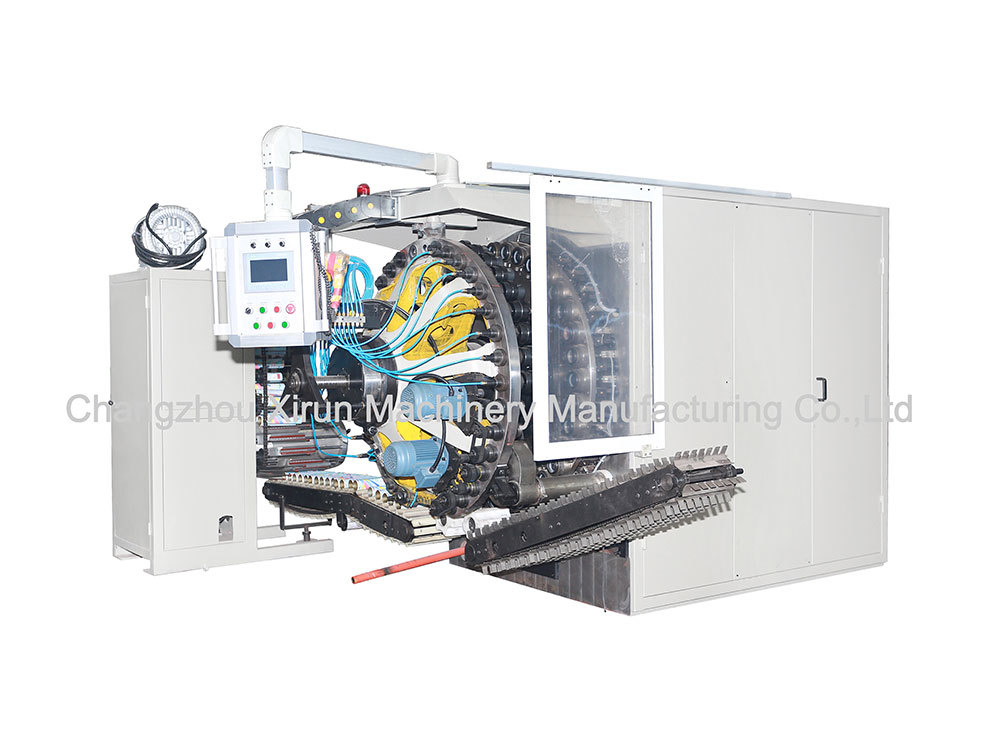
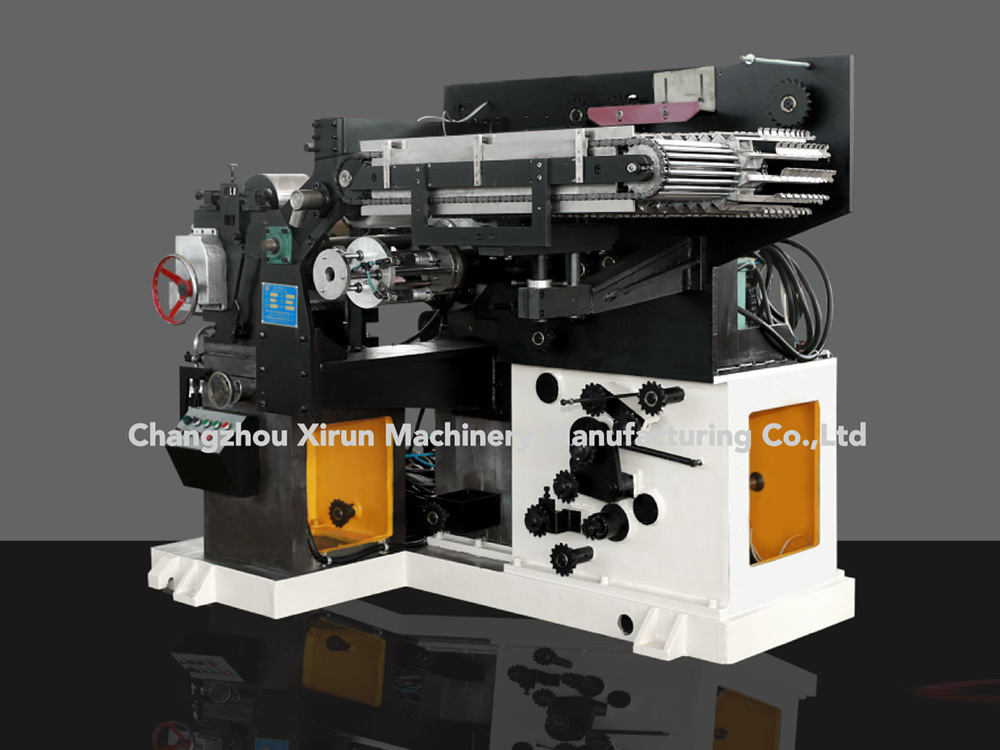
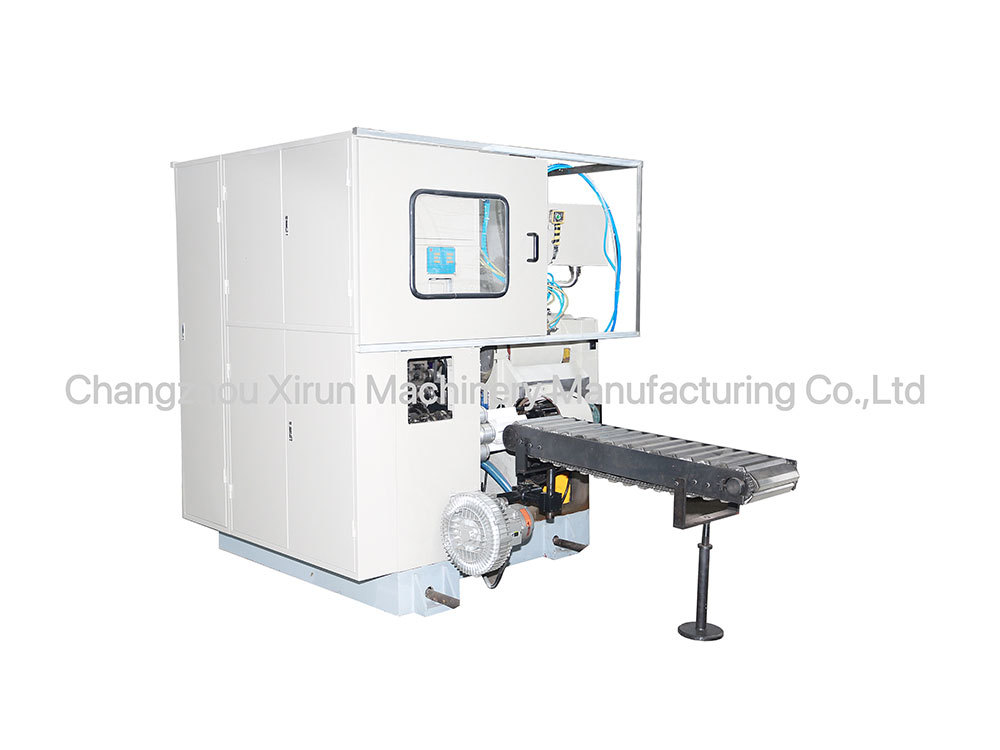
Trimming machines are vital tools in the packaging and printing industry, particularly in the realm of metal packaging materials such as aluminum and aluminum alloys. These machines are primarily designed to trim, cut, and shape aluminum sheets and components, ensuring that they meet specific dimensions and quality standards required for the final product.
The operation of a trimming machine typically involves several key processes. Initially, an aluminum sheet is fed into the machine, where it is positioned accurately for cutting. The machine utilizes sharp blades or cutting mechanisms that are precisely calibrated to produce clean and uniform cuts. This process not only improves the aesthetic appeal of the aluminum products but also enhances their functionality by ensuring that they fit perfectly into the designed packaging.
One of the significant advantages of using trimming machines is the increased efficiency they bring to the manufacturing process. By automating the trimming phase, manufacturers can significantly reduce production times and minimize human error. This is particularly crucial when dealing with high-volume production runs, as it allows for consistent output without compromising quality.
Moreover, trimming machines are equipped with advanced technology that allows for customizable settings. Operators can adjust cutting speeds, blade angles, and other parameters to accommodate various types of aluminum materials and thicknesses. This versatility makes trimming machines suitable for a wide range of applications, from food packaging to industrial containers.
In the aluminum packaging industry, precision is paramount. Trimming machines contribute to this precision by ensuring that every piece of aluminum is cut to exact specifications. This is vital in applications where even the slightest deviation can affect the integrity of the packaging, potentially leading to issues such as leaks or contamination.
Additionally, modern trimming machines often incorporate features that enhance safety and reduce waste. For instance, some models come with sensors that detect material flaws or incorrect positioning, automatically halting operation to prevent further waste. This not only conserves raw materials but also reduces operational costs, contributing to a more sustainable manufacturing process.
In conclusion, trimming machines play a crucial role in the packaging and printing industry, especially concerning aluminum and aluminum alloy materials. Their ability to increase efficiency, ensure precision, and minimize waste makes them an indispensable asset in any manufacturing setting. Understanding how these machines operate and their benefits can help businesses streamline their processes, enhance product quality, and ultimately, improve customer satisfaction. Embracing the advancements in trimming machine technology is essential for companies looking to stay competitive in the evolving market landscape.
The operation of a trimming machine typically involves several key processes. Initially, an aluminum sheet is fed into the machine, where it is positioned accurately for cutting. The machine utilizes sharp blades or cutting mechanisms that are precisely calibrated to produce clean and uniform cuts. This process not only improves the aesthetic appeal of the aluminum products but also enhances their functionality by ensuring that they fit perfectly into the designed packaging.
One of the significant advantages of using trimming machines is the increased efficiency they bring to the manufacturing process. By automating the trimming phase, manufacturers can significantly reduce production times and minimize human error. This is particularly crucial when dealing with high-volume production runs, as it allows for consistent output without compromising quality.
Moreover, trimming machines are equipped with advanced technology that allows for customizable settings. Operators can adjust cutting speeds, blade angles, and other parameters to accommodate various types of aluminum materials and thicknesses. This versatility makes trimming machines suitable for a wide range of applications, from food packaging to industrial containers.
In the aluminum packaging industry, precision is paramount. Trimming machines contribute to this precision by ensuring that every piece of aluminum is cut to exact specifications. This is vital in applications where even the slightest deviation can affect the integrity of the packaging, potentially leading to issues such as leaks or contamination.
Additionally, modern trimming machines often incorporate features that enhance safety and reduce waste. For instance, some models come with sensors that detect material flaws or incorrect positioning, automatically halting operation to prevent further waste. This not only conserves raw materials but also reduces operational costs, contributing to a more sustainable manufacturing process.
In conclusion, trimming machines play a crucial role in the packaging and printing industry, especially concerning aluminum and aluminum alloy materials. Their ability to increase efficiency, ensure precision, and minimize waste makes them an indispensable asset in any manufacturing setting. Understanding how these machines operate and their benefits can help businesses streamline their processes, enhance product quality, and ultimately, improve customer satisfaction. Embracing the advancements in trimming machine technology is essential for companies looking to stay competitive in the evolving market landscape.
trimming machine
Latest Blog
Leave A Message
You can leave comments and suggestions to us here, and we will reply in time
Phone: +86-13671610042
Add: No. 18, Hengli Road, Xueyan Town, Wujin District, Changzhou City, Jiangsu Province

Whatsapp QR