


Understanding Trimming Machines in Metal Packaging
In the metal packaging industry, particularly when dealing with aluminum and aluminum alloys, the role of trimming machines is crucial. These machines are specifically designed to cut and shape packaging materials into the desired dimensions, ensuring that the final product meets stringent industry standards. Understanding the functionality and advantages of trimming machines can significantly ben
Release time:
2025-10-25
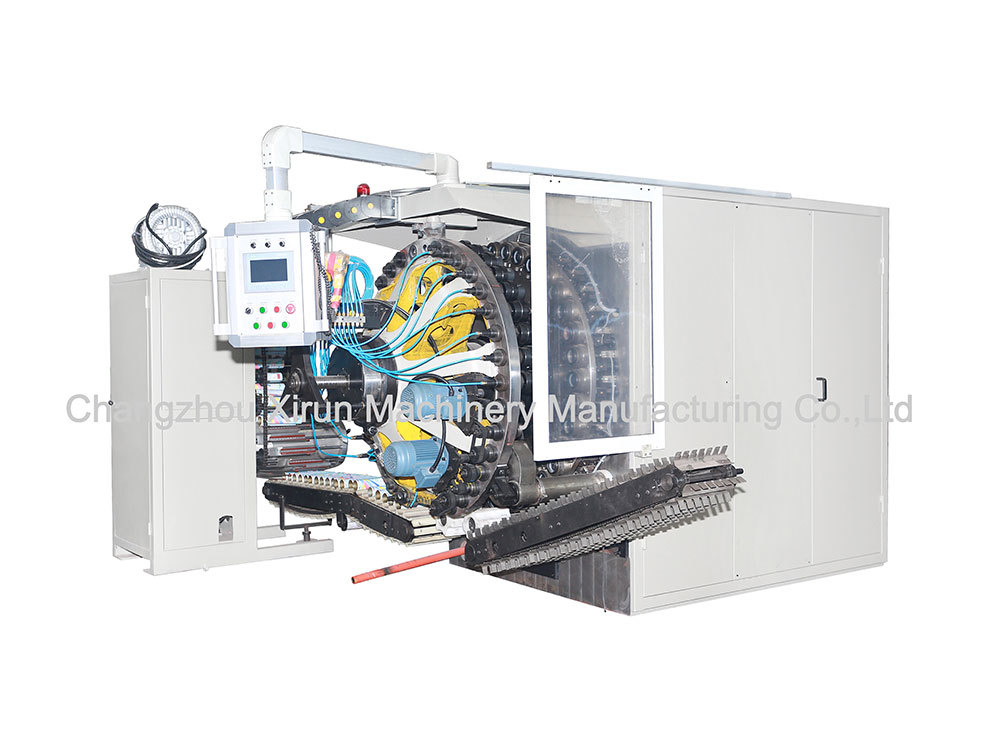
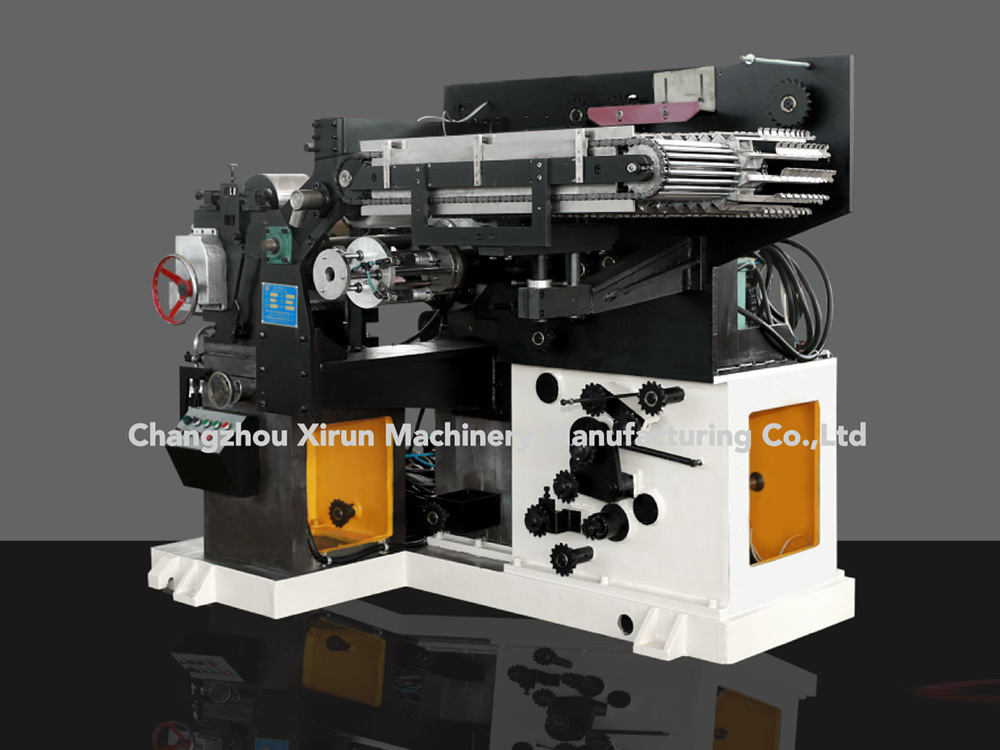
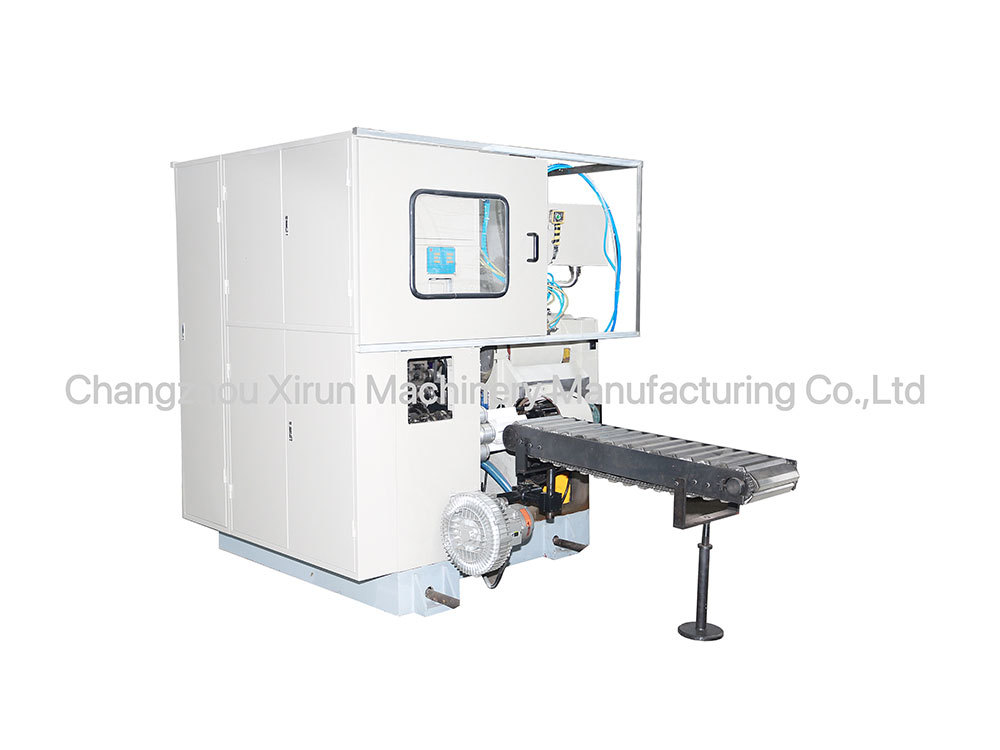
In the metal packaging industry, particularly when dealing with aluminum and aluminum alloys, the role of trimming machines is crucial. These machines are specifically designed to cut and shape packaging materials into the desired dimensions, ensuring that the final product meets stringent industry standards. Understanding the functionality and advantages of trimming machines can significantly benefit manufacturers and consumers alike.
Trimming machines utilize various cutting techniques to process metal sheets into precise shapes. These machines are adept at handling different thicknesses of aluminum, providing flexibility in production. The operation of a trimming machine typically involves a series of steps, starting from the loading of metal sheets to the final trimming. Most modern trimming machines are equipped with advanced technology that allows for automation, thus increasing efficiency and reducing the risk of human error.
One of the key benefits of using trimming machines in metal packaging is the consistency they provide. When packaging materials are trimmed accurately, it ensures that the product fits perfectly in its designated packaging, reducing waste and enhancing the overall aesthetics of the finished product. This is particularly important in the packaging of food and beverages, where presentation plays a vital role in consumer appeal.
Moreover, trimming machines can enhance the precision of cuts, leading to improved sealing and reduced leakage in packaging. This is especially relevant for aluminum packaging, which is often used for products that require a barrier against moisture and oxygen. By ensuring clean and precise cuts, trimming machines contribute to the integrity and longevity of the packaged product.
In addition to improving product quality, the use of trimming machines can also lead to significant cost savings for manufacturers. By optimizing the cutting process, these machines reduce material wastage and lower production time, allowing companies to operate more efficiently. This efficiency translates to faster turnaround times and the ability to meet market demands more effectively.
Another aspect worth mentioning is the versatility of trimming machines. They can be adjusted to accommodate various sizes and specifications, making them suitable for a wide range of products. Whether it’s for creating sleek aluminum cans or intricate foil packaging, trimming machines can be tailored to meet specific production needs.
In conclusion, trimming machines are an integral part of the metal packaging industry, particularly for aluminum and aluminum alloys. Their ability to provide accurate cuts, enhance product quality, and improve operational efficiency makes them an invaluable asset for manufacturers. Understanding the role and functionality of these machines can lead to better production practices and ultimately, a more competitive offering in the market.
Trimming machines utilize various cutting techniques to process metal sheets into precise shapes. These machines are adept at handling different thicknesses of aluminum, providing flexibility in production. The operation of a trimming machine typically involves a series of steps, starting from the loading of metal sheets to the final trimming. Most modern trimming machines are equipped with advanced technology that allows for automation, thus increasing efficiency and reducing the risk of human error.
One of the key benefits of using trimming machines in metal packaging is the consistency they provide. When packaging materials are trimmed accurately, it ensures that the product fits perfectly in its designated packaging, reducing waste and enhancing the overall aesthetics of the finished product. This is particularly important in the packaging of food and beverages, where presentation plays a vital role in consumer appeal.
Moreover, trimming machines can enhance the precision of cuts, leading to improved sealing and reduced leakage in packaging. This is especially relevant for aluminum packaging, which is often used for products that require a barrier against moisture and oxygen. By ensuring clean and precise cuts, trimming machines contribute to the integrity and longevity of the packaged product.
In addition to improving product quality, the use of trimming machines can also lead to significant cost savings for manufacturers. By optimizing the cutting process, these machines reduce material wastage and lower production time, allowing companies to operate more efficiently. This efficiency translates to faster turnaround times and the ability to meet market demands more effectively.
Another aspect worth mentioning is the versatility of trimming machines. They can be adjusted to accommodate various sizes and specifications, making them suitable for a wide range of products. Whether it’s for creating sleek aluminum cans or intricate foil packaging, trimming machines can be tailored to meet specific production needs.
In conclusion, trimming machines are an integral part of the metal packaging industry, particularly for aluminum and aluminum alloys. Their ability to provide accurate cuts, enhance product quality, and improve operational efficiency makes them an invaluable asset for manufacturers. Understanding the role and functionality of these machines can lead to better production practices and ultimately, a more competitive offering in the market.
trimming machine
Latest Blog
Leave A Message
You can leave comments and suggestions to us here, and we will reply in time
Phone: +86-13671610042
Add: No. 18, Hengli Road, Xueyan Town, Wujin District, Changzhou City, Jiangsu Province

Whatsapp QR