


Understanding Internal Lacquering Machines in Metal Packaging
Internal lacquering machines play a crucial role in the packaging and printing supplies sector, specifically in the production and preparation of metal packaging materials such as aluminum and aluminum alloys. These machines are designed to apply a protective lacquer coating to the inner surfaces of metal containers. This process is vital for ensuring that the contents of the packaging remain unco
Release time:
2025-10-27
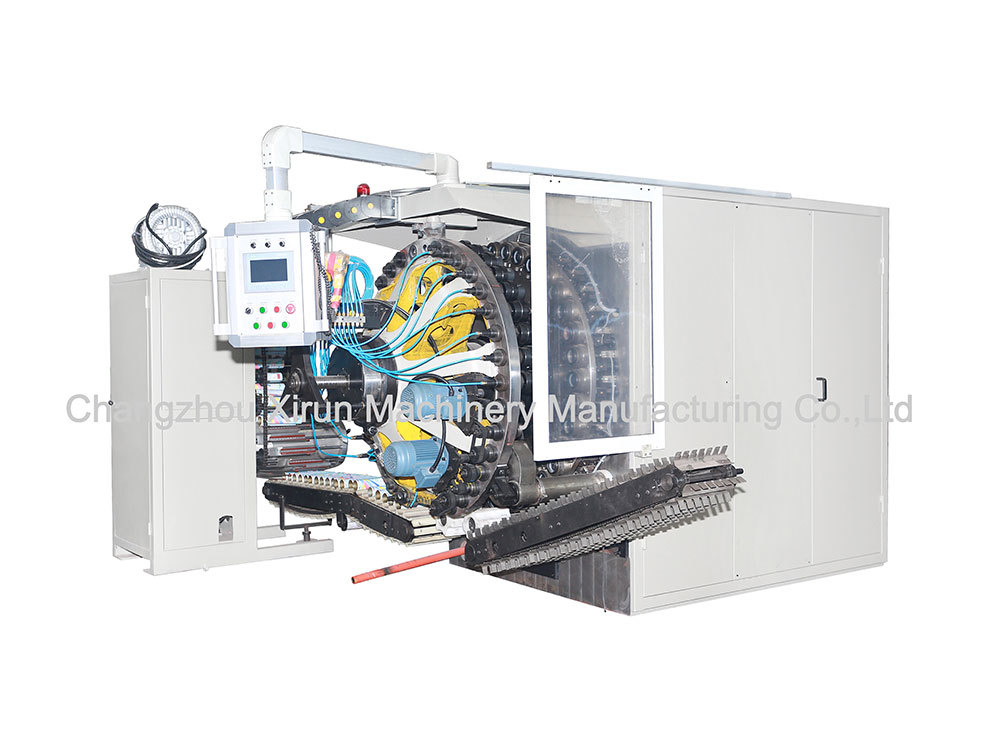
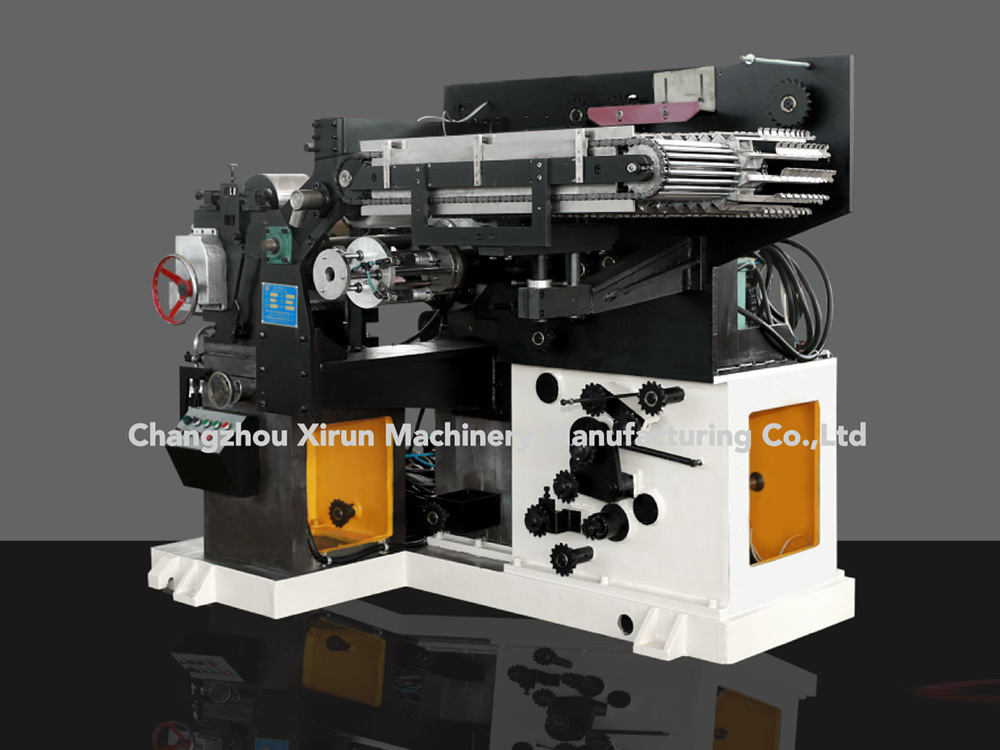
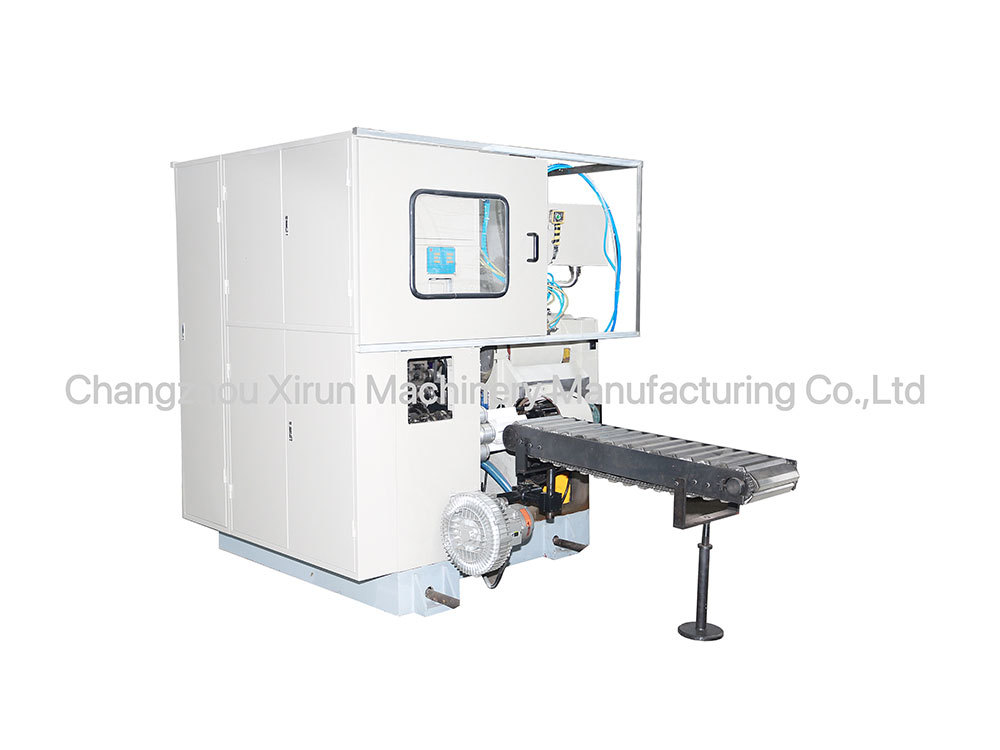
Internal lacquering machines play a crucial role in the packaging and printing supplies sector, specifically in the production and preparation of metal packaging materials such as aluminum and aluminum alloys. These machines are designed to apply a protective lacquer coating to the inner surfaces of metal containers. This process is vital for ensuring that the contents of the packaging remain uncontaminated, enhancing both the safety and shelf life of the products contained within.
The use of aluminum in packaging is favored for its lightweight nature, resistance to corrosion, and ability to be recycled. However, bare aluminum can react with certain substances, potentially leading to undesirable flavors or chemical reactions. This is where internal lacquering becomes essential. By using an internal lacquering machine, manufacturers can create a barrier that prevents interactions between the metal and its contents, making it suitable for a wide range of products, including food and beverages.
Internal lacquering machines operate using advanced technology to ensure uniform application and drying of the lacquer. The process typically involves several steps: first, the metal containers are cleaned thoroughly to remove any contaminants. Then, the internal lacquering machine applies a specially formulated lacquer that adheres to the metal surface, creating a protective layer. Finally, the coated containers undergo a curing process, which solidifies the lacquer and enhances its durability.
One of the significant advantages of using internal lacquering machines is the ability to customize the coatings according to specific product requirements. For example, manufacturers can select lacquers that offer additional benefits, such as resistance to heat or chemicals, depending on the intended use of the packaging. This customization ensures that the final product meets industry standards and consumer expectations.
In addition to improving shelf life and safety, internal lacquering also contributes to the aesthetic value of the packaging. A well-lacquered container can appear more polished and appealing to consumers, which is crucial in a competitive marketplace. Moreover, the lacquer can be tailored to provide different finishes, such as matte or glossy, further enhancing the visual appeal of the product.
In conclusion, internal lacquering machines are indispensable in the metal packaging industry, especially for aluminum and aluminum alloy materials. They not only protect the integrity of the products contained within but also enhance the overall quality and marketability of the packaging. As consumer demands for safe and appealing products continue to grow, the role of internal lacquering will undoubtedly become more significant in the future of packaging solutions.
The use of aluminum in packaging is favored for its lightweight nature, resistance to corrosion, and ability to be recycled. However, bare aluminum can react with certain substances, potentially leading to undesirable flavors or chemical reactions. This is where internal lacquering becomes essential. By using an internal lacquering machine, manufacturers can create a barrier that prevents interactions between the metal and its contents, making it suitable for a wide range of products, including food and beverages.
Internal lacquering machines operate using advanced technology to ensure uniform application and drying of the lacquer. The process typically involves several steps: first, the metal containers are cleaned thoroughly to remove any contaminants. Then, the internal lacquering machine applies a specially formulated lacquer that adheres to the metal surface, creating a protective layer. Finally, the coated containers undergo a curing process, which solidifies the lacquer and enhances its durability.
One of the significant advantages of using internal lacquering machines is the ability to customize the coatings according to specific product requirements. For example, manufacturers can select lacquers that offer additional benefits, such as resistance to heat or chemicals, depending on the intended use of the packaging. This customization ensures that the final product meets industry standards and consumer expectations.
In addition to improving shelf life and safety, internal lacquering also contributes to the aesthetic value of the packaging. A well-lacquered container can appear more polished and appealing to consumers, which is crucial in a competitive marketplace. Moreover, the lacquer can be tailored to provide different finishes, such as matte or glossy, further enhancing the visual appeal of the product.
In conclusion, internal lacquering machines are indispensable in the metal packaging industry, especially for aluminum and aluminum alloy materials. They not only protect the integrity of the products contained within but also enhance the overall quality and marketability of the packaging. As consumer demands for safe and appealing products continue to grow, the role of internal lacquering will undoubtedly become more significant in the future of packaging solutions.
internal lacquering machine
Latest Blog
Leave A Message
You can leave comments and suggestions to us here, and we will reply in time
Phone: +86-13671610042
Add: No. 18, Hengli Road, Xueyan Town, Wujin District, Changzhou City, Jiangsu Province

Whatsapp QR