


Understanding Internal Lacquering Machines for Metal Packaging
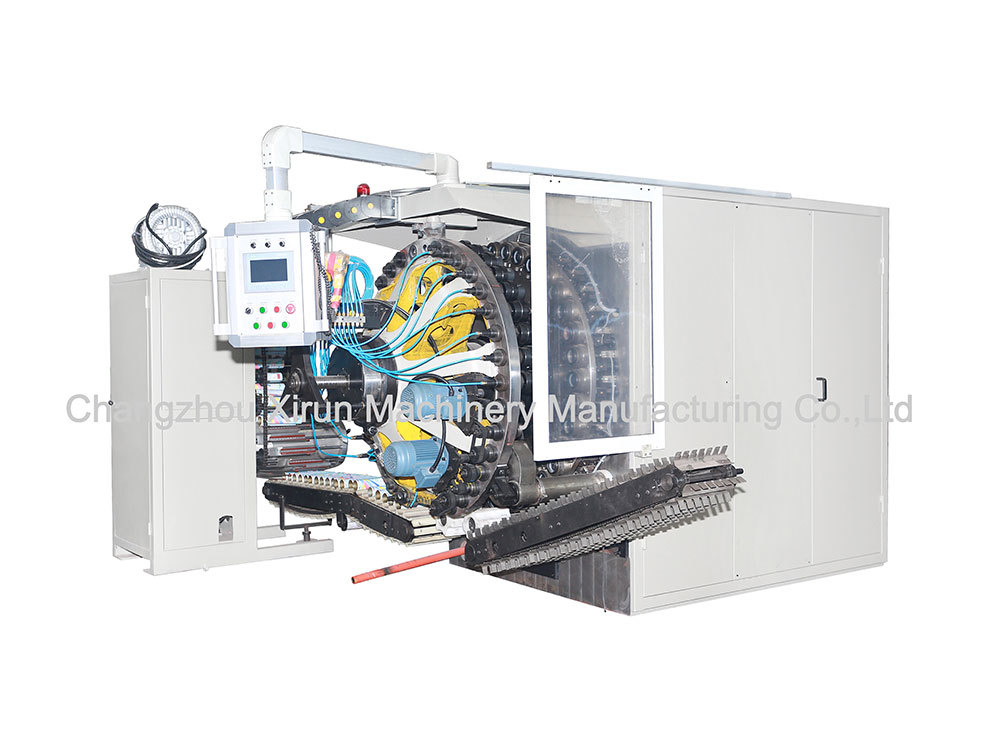
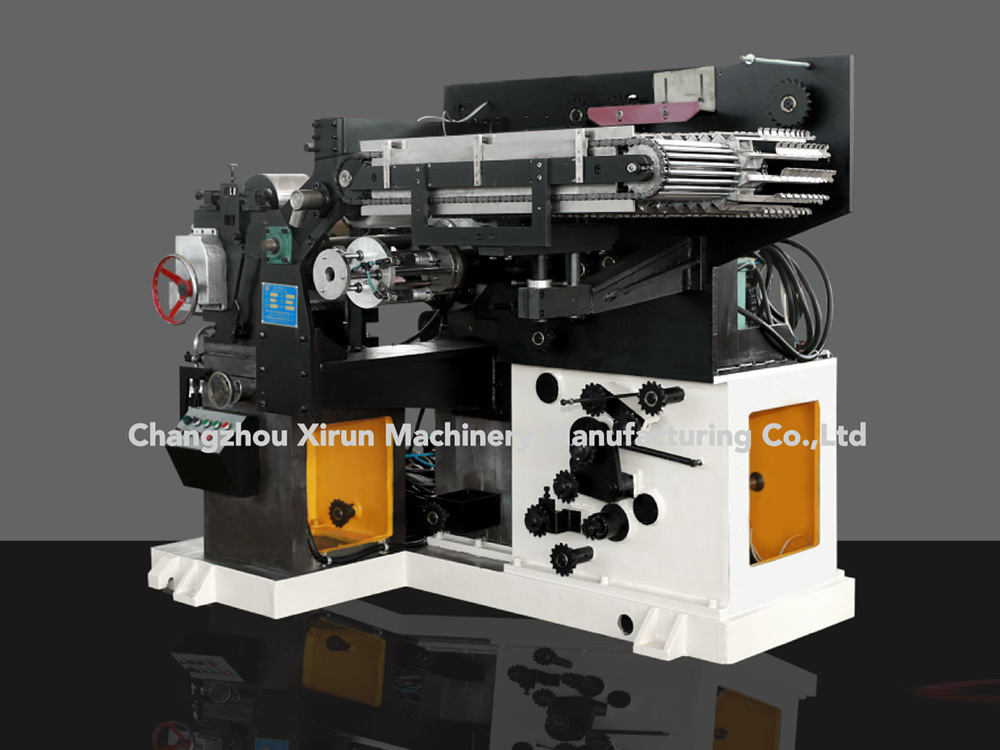
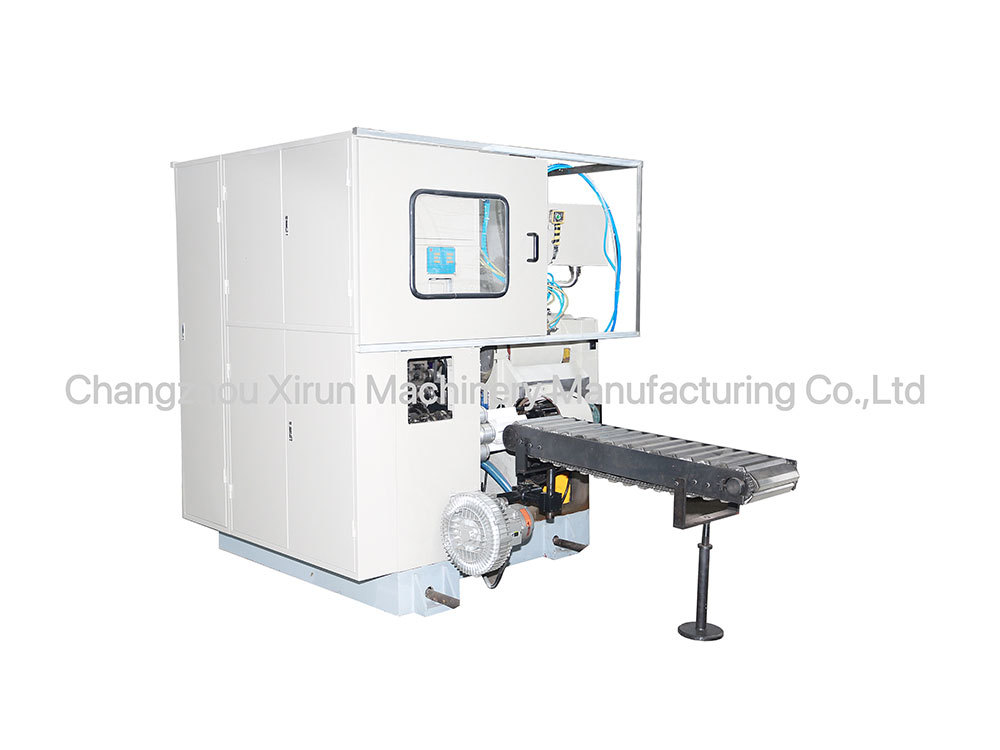
Internal lacquering machines play a crucial role in the packaging and printing supplies industry, especially when it comes to metal packaging materials like aluminum and aluminum alloys. These machines are designed to apply a protective lacquer or coating to the internal surfaces of metal containers, ensuring that the products stored within remain uncontaminated and maintain their quality over tim
Release time:
2025-11-20
Internal lacquering machines play a crucial role in the packaging and printing supplies industry, especially when it comes to metal packaging materials like aluminum and aluminum alloys. These machines are designed to apply a protective lacquer or coating to the internal surfaces of metal containers, ensuring that the products stored within remain uncontaminated and maintain their quality over time.
The primary purpose of internal lacquering is to provide a barrier between the metal surface and the contents of the container. This is particularly important for products that may be reactive or sensitive to metal, such as beverages, food items, or chemicals. By preventing direct contact with metal, internal lacquering helps to preserve the integrity and taste of the contents, ultimately enhancing customer satisfaction and product longevity.
Typically, an internal lacquering machine employs a series of processes to ensure a uniform application of the lacquer. The process begins with the preparation of the metal container. This includes cleaning to remove any contaminants that could interfere with adhesion. Once prepped, the container is placed inside the machine, where the internal surface is coated with the lacquer using various techniques, including spraying, rolling, or electrostatic application. The choice of method can depend on the specific requirements of the product and the characteristics of the lacquer being used.
After the lacquer is applied, the containers are subjected to a curing process, which can involve heat treatment or ultraviolet light, depending on the type of lacquer. Curing is essential for ensuring that the lacquer adheres properly and achieves its protective properties. Following this, the containers are thoroughly inspected for quality assurance, ensuring that the internal lacquer meets industry standards and is free from defects.
In addition to improving product safety and quality, internal lacquering machines also contribute to operational efficiency. Modern machines are designed for high-speed production, capable of handling large volumes of containers with minimal downtime. Many units incorporate advanced automation and control systems, allowing for precise adjustments to the lacquering process based on the specific needs of each batch. This level of efficiency not only reduces production costs but also enhances overall throughput, making it an attractive option for manufacturers in the competitive packaging industry.
Understanding the intricacies of internal lacquering machines is essential for businesses looking to optimize their metal packaging processes. By investing in high-quality machinery and staying informed about advancements in lacquering technology, companies can ensure that they meet both regulatory standards and customer expectations. Ultimately, the right internal lacquering solution can significantly enhance product quality, improve operational efficiency, and drive business success in the aluminum packaging sector.
The primary purpose of internal lacquering is to provide a barrier between the metal surface and the contents of the container. This is particularly important for products that may be reactive or sensitive to metal, such as beverages, food items, or chemicals. By preventing direct contact with metal, internal lacquering helps to preserve the integrity and taste of the contents, ultimately enhancing customer satisfaction and product longevity.
Typically, an internal lacquering machine employs a series of processes to ensure a uniform application of the lacquer. The process begins with the preparation of the metal container. This includes cleaning to remove any contaminants that could interfere with adhesion. Once prepped, the container is placed inside the machine, where the internal surface is coated with the lacquer using various techniques, including spraying, rolling, or electrostatic application. The choice of method can depend on the specific requirements of the product and the characteristics of the lacquer being used.
After the lacquer is applied, the containers are subjected to a curing process, which can involve heat treatment or ultraviolet light, depending on the type of lacquer. Curing is essential for ensuring that the lacquer adheres properly and achieves its protective properties. Following this, the containers are thoroughly inspected for quality assurance, ensuring that the internal lacquer meets industry standards and is free from defects.
In addition to improving product safety and quality, internal lacquering machines also contribute to operational efficiency. Modern machines are designed for high-speed production, capable of handling large volumes of containers with minimal downtime. Many units incorporate advanced automation and control systems, allowing for precise adjustments to the lacquering process based on the specific needs of each batch. This level of efficiency not only reduces production costs but also enhances overall throughput, making it an attractive option for manufacturers in the competitive packaging industry.
Understanding the intricacies of internal lacquering machines is essential for businesses looking to optimize their metal packaging processes. By investing in high-quality machinery and staying informed about advancements in lacquering technology, companies can ensure that they meet both regulatory standards and customer expectations. Ultimately, the right internal lacquering solution can significantly enhance product quality, improve operational efficiency, and drive business success in the aluminum packaging sector.
internal lacquering machine
Latest Blog
Leave A Message
You can leave comments and suggestions to us here, and we will reply in time
Phone: +86-13671610042
Add: No. 18, Hengli Road, Xueyan Town, Wujin District, Changzhou City, Jiangsu Province

Whatsapp QR