


Enhancing Metal Packaging with Internal Lacquering Machines
Internal lacquering machines play a significant role in the packaging and printing sector, particularly in the production of metal packaging materials such as aluminum and aluminum alloys. These machines are designed to apply a protective lacquer coating on the internal surfaces of metal containers, ensuring the longevity and safety of the products they hold. One of the primary functions of an int
Release time:
2025-11-26
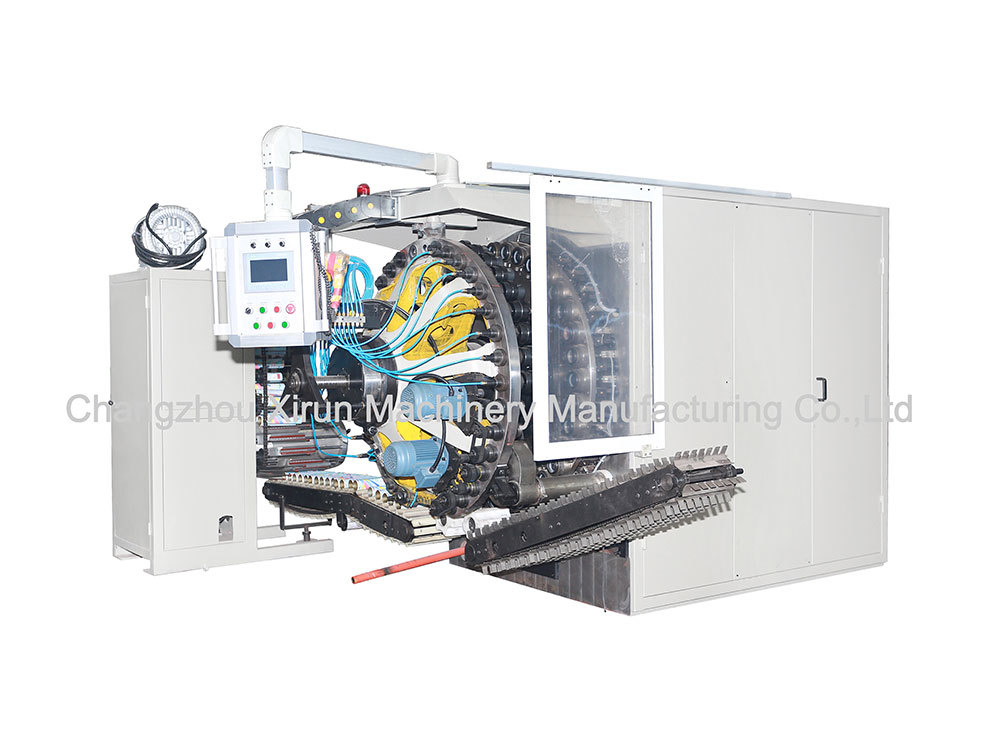
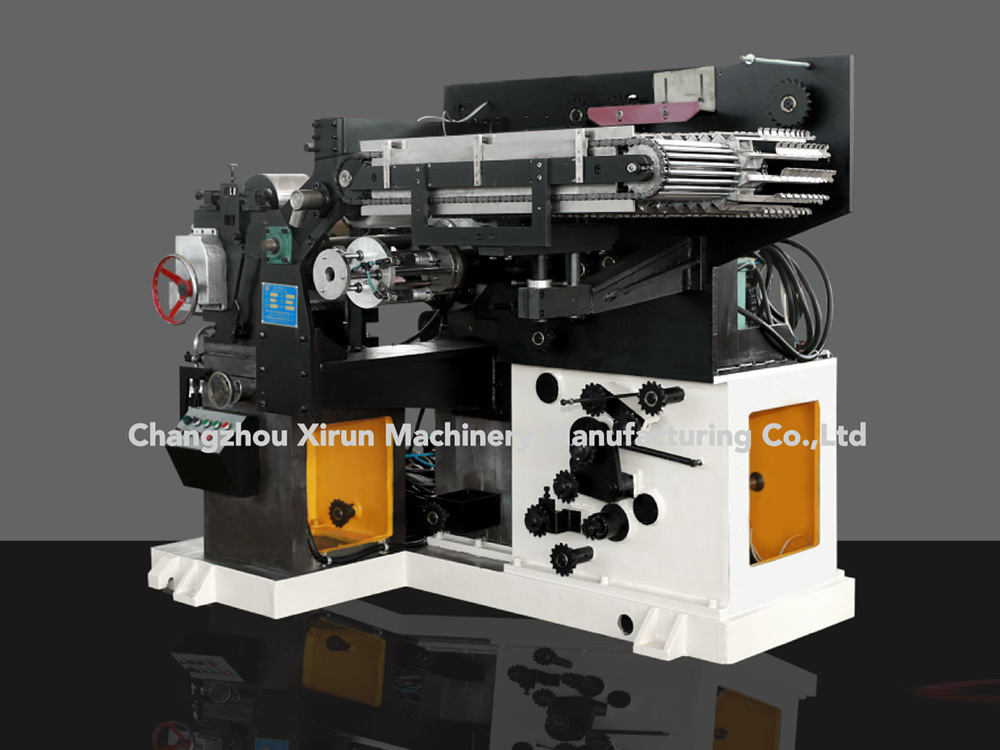
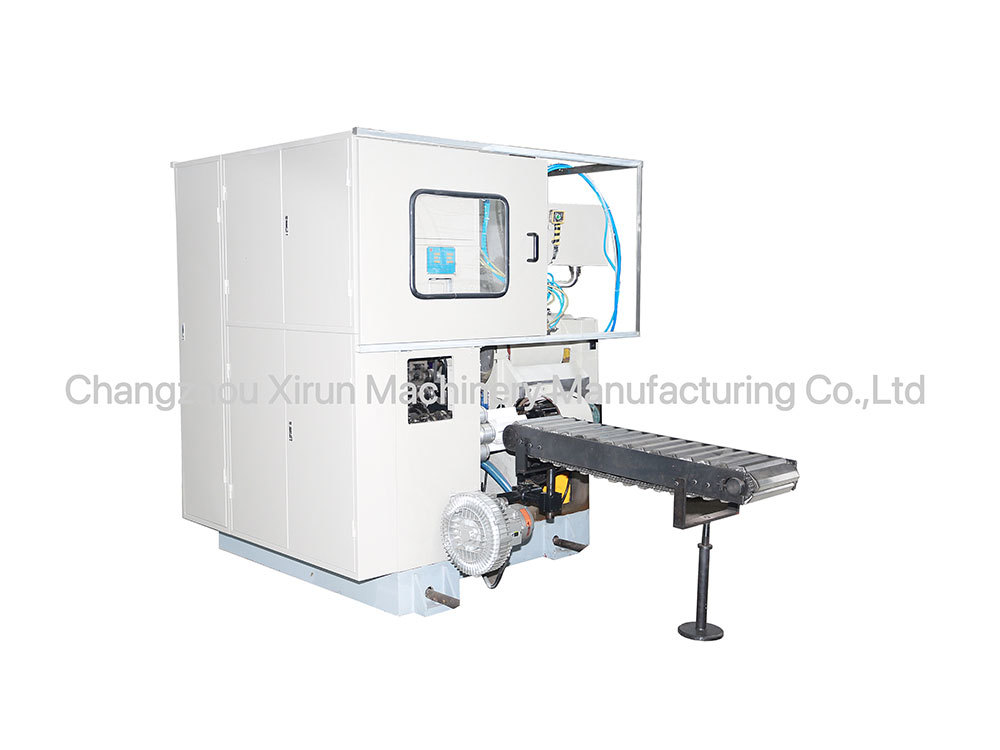
Internal lacquering machines play a significant role in the packaging and printing sector, particularly in the production of metal packaging materials such as aluminum and aluminum alloys. These machines are designed to apply a protective lacquer coating on the internal surfaces of metal containers, ensuring the longevity and safety of the products they hold.
One of the primary functions of an internal lacquering machine is to prevent corrosion and oxidation of the metal surfaces. This is particularly crucial for aluminum containers, which are often used to store food and beverages. The lacquer layer acts as a barrier, safeguarding against chemical reactions that could compromise the integrity of the contents. In addition, this protective coating enhances the overall appearance of the container, contributing to visually appealing product packaging.
Another advantage of utilizing internal lacquering machines is their ability to improve the overall performance of metal packaging in various environmental conditions. The lacquered surfaces are more resistant to high temperatures, moisture, and other external factors that could lead to product degradation. This durability is essential for maintaining product quality during transportation and storage, ultimately benefiting both manufacturers and consumers.
Technological advancements in internal lacquering machines have led to increased efficiency and precision in the application process. Modern machines are equipped with advanced control systems and automation features, allowing for consistent coating thickness and optimal curing processes. This not only reduces waste but also minimizes the risk of human error during production. Additionally, some machines offer the flexibility to switch between different lacquer formulations, accommodating various product requirements and ensuring compliance with industry standards.
Moreover, the implementation of eco-friendly lacquering solutions has become a priority in the packaging industry. Many internal lacquering machines now utilize water-based or low-VOC (volatile organic compound) lacquers, which are less harmful to the environment compared to traditional solvent-based options. This shift not only enhances the sustainability of the manufacturing process but also aligns with growing consumer preferences for environmentally responsible products.
In conclusion, internal lacquering machines are indispensable in the production of aluminum and aluminum alloy packaging materials. By providing a protective barrier against corrosion, improving product performance, and incorporating advanced technology, these machines contribute significantly to the efficiency and sustainability of the packaging industry. Understanding their functionality and benefits can help professionals make informed decisions that enhance the quality and appeal of their metal packaging solutions.
One of the primary functions of an internal lacquering machine is to prevent corrosion and oxidation of the metal surfaces. This is particularly crucial for aluminum containers, which are often used to store food and beverages. The lacquer layer acts as a barrier, safeguarding against chemical reactions that could compromise the integrity of the contents. In addition, this protective coating enhances the overall appearance of the container, contributing to visually appealing product packaging.
Another advantage of utilizing internal lacquering machines is their ability to improve the overall performance of metal packaging in various environmental conditions. The lacquered surfaces are more resistant to high temperatures, moisture, and other external factors that could lead to product degradation. This durability is essential for maintaining product quality during transportation and storage, ultimately benefiting both manufacturers and consumers.
Technological advancements in internal lacquering machines have led to increased efficiency and precision in the application process. Modern machines are equipped with advanced control systems and automation features, allowing for consistent coating thickness and optimal curing processes. This not only reduces waste but also minimizes the risk of human error during production. Additionally, some machines offer the flexibility to switch between different lacquer formulations, accommodating various product requirements and ensuring compliance with industry standards.
Moreover, the implementation of eco-friendly lacquering solutions has become a priority in the packaging industry. Many internal lacquering machines now utilize water-based or low-VOC (volatile organic compound) lacquers, which are less harmful to the environment compared to traditional solvent-based options. This shift not only enhances the sustainability of the manufacturing process but also aligns with growing consumer preferences for environmentally responsible products.
In conclusion, internal lacquering machines are indispensable in the production of aluminum and aluminum alloy packaging materials. By providing a protective barrier against corrosion, improving product performance, and incorporating advanced technology, these machines contribute significantly to the efficiency and sustainability of the packaging industry. Understanding their functionality and benefits can help professionals make informed decisions that enhance the quality and appeal of their metal packaging solutions.
internal lacquering machine
Latest Blog
Leave A Message
You can leave comments and suggestions to us here, and we will reply in time
Phone: +86-13671610042
Add: No. 18, Hengli Road, Xueyan Town, Wujin District, Changzhou City, Jiangsu Province

Whatsapp QR