


Unlocking Efficiency: The Role of Aluminum Container Necking Machines in Metal Packaging
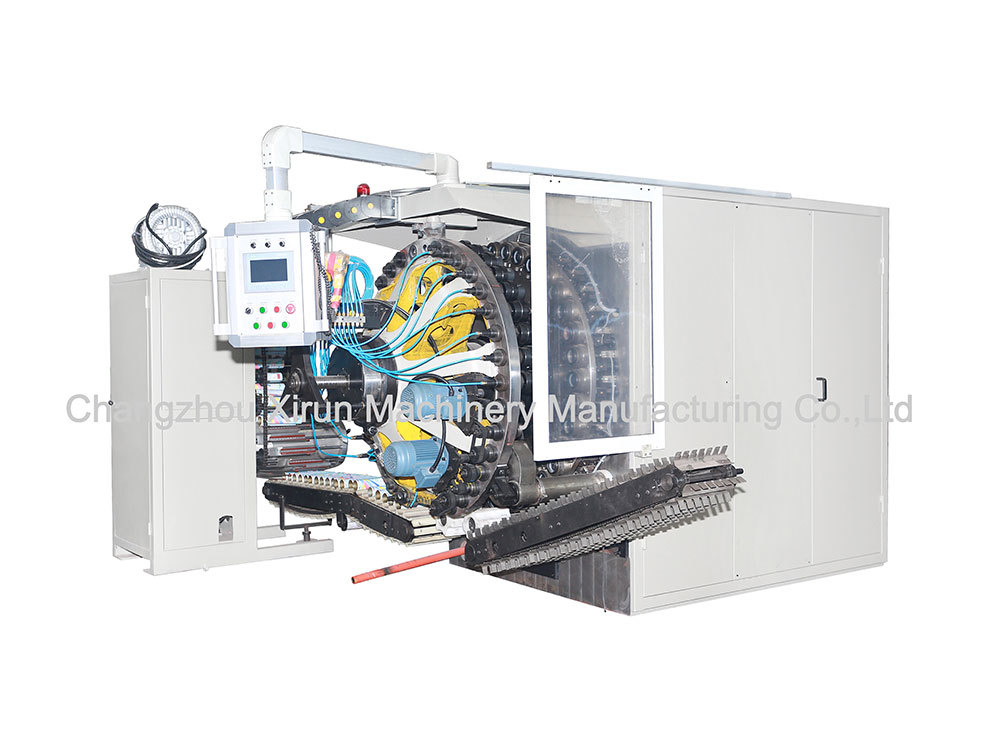
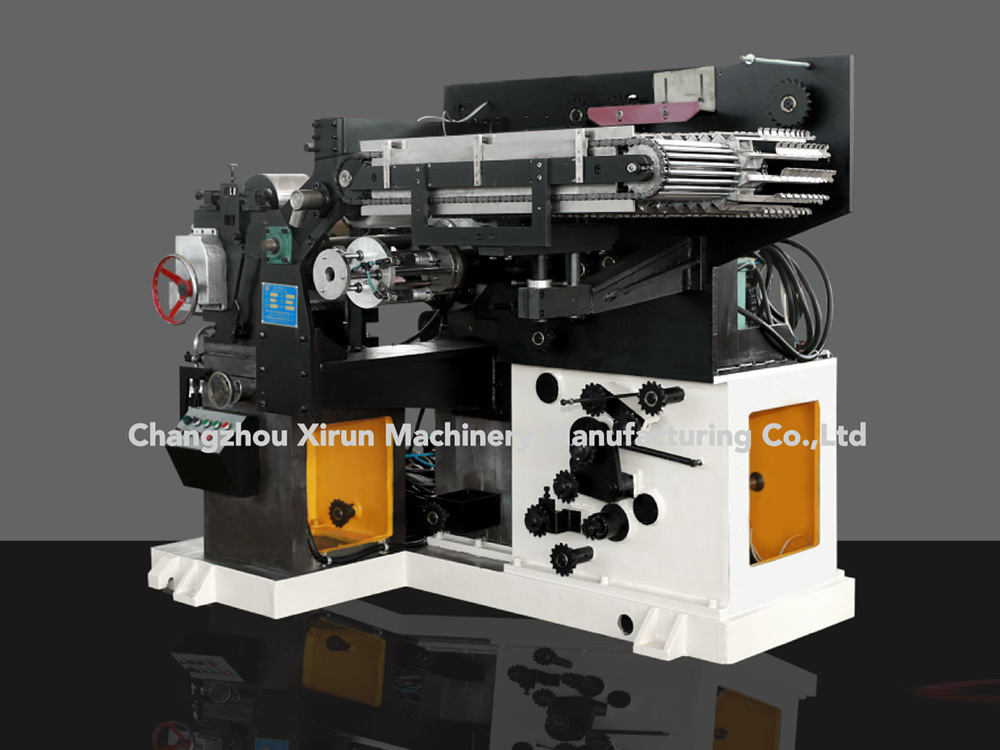
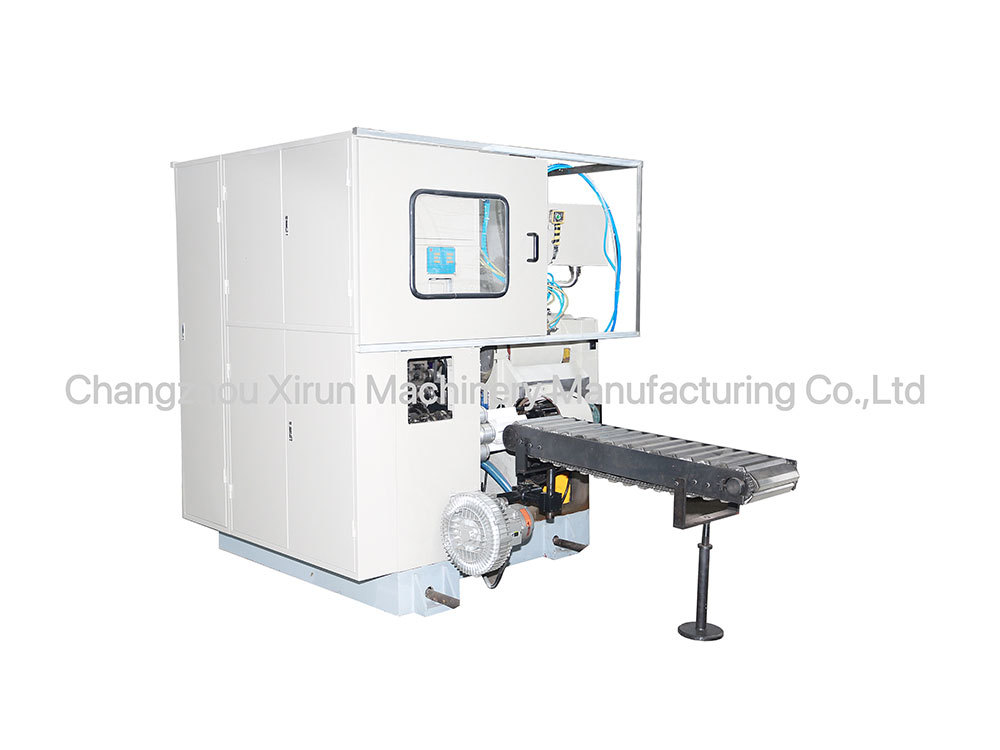
Aluminum container necking machines play a pivotal role in the manufacturing of metal packaging, particularly when dealing with aluminum and aluminum alloys. This specialized machinery is designed to perform the necking process, which involves reducing the diameter of the container's neck for a precise fit with closures, such as caps or lids. This process is essential for ensuring a perfect seal,
Release time:
2025-11-28
Aluminum container necking machines play a pivotal role in the manufacturing of metal packaging, particularly when dealing with aluminum and aluminum alloys. This specialized machinery is designed to perform the necking process, which involves reducing the diameter of the container's neck for a precise fit with closures, such as caps or lids. This process is essential for ensuring a perfect seal, which not only enhances the shelf life of the product but also improves overall consumer safety.
The necking process typically follows several stages, starting from the initial shaping of the aluminum blank. The blank is first drawn into a cup shape, after which the necking machine takes over. Utilizing advanced techniques such as mechanical or hydraulic forming, these machines apply controlled pressure and deformation to the container's neck. This ensures that the neck diameter is consistent and meets the required specifications, which is crucial for maintaining quality standards in packaging.
One of the significant advantages of using an aluminum container necking machine is its ability to enhance productivity. With automation and precision engineering, these machines can operate at high speeds, significantly reducing cycle times compared to manual operations. Furthermore, they are designed for ease of maintenance and operation, which minimizes downtime and optimizes the overall manufacturing process.
Additionally, aluminum container necking machines contribute to sustainability in packaging. Aluminum is a highly recyclable material, and the necking process can be performed with minimal waste generation. This aligns with the industry's move towards more environmentally friendly practices. By investing in efficient necking machinery, manufacturers can not only reduce their carbon footprint but also appeal to a growing consumer demand for sustainable products.
In terms of applications, aluminum container necking machines are widely used across various sectors, including food and beverage, pharmaceuticals, and personal care products. Each sector may require specific adjustments in the necking process to accommodate different closure types and product requirements. Thus, flexibility in machine settings is a crucial feature, allowing operators to adapt the process for diverse applications.
In summary, aluminum container necking machines are an indispensable component in the metal packaging industry, particularly for aluminum and aluminum alloys. They offer enhanced precision, increased productivity, and contribute to sustainable practices, making them an essential investment for manufacturers looking to stay competitive in the evolving market. As technology continues to advance, these machines will likely incorporate even more sophisticated features, further optimizing the necking process and cementing their role in the future of packaging.
The necking process typically follows several stages, starting from the initial shaping of the aluminum blank. The blank is first drawn into a cup shape, after which the necking machine takes over. Utilizing advanced techniques such as mechanical or hydraulic forming, these machines apply controlled pressure and deformation to the container's neck. This ensures that the neck diameter is consistent and meets the required specifications, which is crucial for maintaining quality standards in packaging.
One of the significant advantages of using an aluminum container necking machine is its ability to enhance productivity. With automation and precision engineering, these machines can operate at high speeds, significantly reducing cycle times compared to manual operations. Furthermore, they are designed for ease of maintenance and operation, which minimizes downtime and optimizes the overall manufacturing process.
Additionally, aluminum container necking machines contribute to sustainability in packaging. Aluminum is a highly recyclable material, and the necking process can be performed with minimal waste generation. This aligns with the industry's move towards more environmentally friendly practices. By investing in efficient necking machinery, manufacturers can not only reduce their carbon footprint but also appeal to a growing consumer demand for sustainable products.
In terms of applications, aluminum container necking machines are widely used across various sectors, including food and beverage, pharmaceuticals, and personal care products. Each sector may require specific adjustments in the necking process to accommodate different closure types and product requirements. Thus, flexibility in machine settings is a crucial feature, allowing operators to adapt the process for diverse applications.
In summary, aluminum container necking machines are an indispensable component in the metal packaging industry, particularly for aluminum and aluminum alloys. They offer enhanced precision, increased productivity, and contribute to sustainable practices, making them an essential investment for manufacturers looking to stay competitive in the evolving market. As technology continues to advance, these machines will likely incorporate even more sophisticated features, further optimizing the necking process and cementing their role in the future of packaging.
aluminum container necking machine
Latest Blog
Leave A Message
You can leave comments and suggestions to us here, and we will reply in time
Phone: +86-13671610042
Add: No. 18, Hengli Road, Xueyan Town, Wujin District, Changzhou City, Jiangsu Province

Whatsapp QR