


The Impact of Aluminum Extrusion in Metal Packaging Materials
The Impact of Aluminum Extrusion in Metal Packaging Materials Table of Contents Introduction to Aluminum Extrusion in Packaging What is Aluminum Extrusion? Benefits of Aluminum Extrusion in Metal Packaging Applications of Aluminum Extrusion in Packaging Materials Environmental Impact of Aluminum Extrusion Challenges in Aluminum Extrusion and Solutions The Future of Aluminum Extrusio
Release time:
2026-01-31
The Impact of Aluminum Extrusion in Metal Packaging Materials
Table of Contents
- Introduction to Aluminum Extrusion in Packaging
- What is Aluminum Extrusion?
- Benefits of Aluminum Extrusion in Metal Packaging
- Applications of Aluminum Extrusion in Packaging Materials
- Environmental Impact of Aluminum Extrusion
- Challenges in Aluminum Extrusion and Solutions
- The Future of Aluminum Extrusion in Packaging
- Conclusion
- Frequently Asked Questions
Introduction to Aluminum Extrusion in Packaging
Aluminum extrusion has emerged as a pivotal technology in the manufacturing of metal packaging materials. By shaping aluminum into complex profiles, manufacturers are able to create versatile packaging solutions that meet various industry demands. This article explores the impact of aluminum extrusion on metal packaging, highlighting its benefits, applications, and the environmental considerations surrounding its use.
What is Aluminum Extrusion?
Aluminum extrusion is a process that involves forcing aluminum alloy material through a die to create elongated shapes with a fixed cross-section. This technique allows for the production of intricate designs and components that can be tailored to specific applications. The resulting products are lightweight, durable, and corrosion-resistant, making them ideal for a variety of packaging materials.
The Extrusion Process Explained
The extrusion process begins with heating aluminum billets to a specific temperature, making them pliable. Once the billets are soft enough, they are pushed through a die using a hydraulic press. The die’s shape determines the final profile of the extruded aluminum. After extrusion, the material undergoes cooling and can be further processed through machining, cutting, or surface treatments.
Benefits of Aluminum Extrusion in Metal Packaging
Aluminum extrusion offers multiple advantages that make it a preferred choice in the packaging industry.
1. Lightweight yet Strong
Aluminum is one of the lightest metals available, and when extruded, it retains impressive strength. This quality reduces shipping costs and enhances the overall efficiency of the supply chain.
2. Corrosion Resistance
One of the primary benefits of aluminum is its natural resistance to corrosion. This property ensures that aluminum packaging does not degrade over time, thus prolonging the shelf life of products.
3. Design Flexibility
The extrusion process allows for an extensive array of shapes and designs, accommodating various product requirements. This flexibility facilitates custom solutions tailored to specific market needs.
4. Eco-Friendly Choice
Aluminum is 100% recyclable without losing its properties, making it a sustainable option for packaging materials. The recycling process requires only about 5% of the energy used in the production of new aluminum, significantly reducing the carbon footprint.
5. Enhanced Barrier Properties
Extruded aluminum can provide superior barrier properties against moisture, light, and gases, which is crucial for preserving the quality of perishable goods.
Applications of Aluminum Extrusion in Packaging Materials
Aluminum extrusion finds applications across various sectors in packaging, demonstrating its versatility.
1. Food Packaging
Aluminum foil containers and trays made through extrusion are widely used in the food industry for their ability to preserve freshness and prevent contamination.
2. Beverage Cans
Aluminum beverage cans are a classic example of extruded metal packaging, beloved for their lightweight nature and recyclability.
3. Pharmaceutical Packaging
In the pharmaceutical industry, extruded aluminum packaging is used to create blister packs and other protective containers that safeguard medications from external elements.
4. Cosmetic and Personal Care Products
Aluminum tubes and containers are commonly employed for cosmetic products, offering a sleek appearance while providing protection and durability.
5. Industrial Packaging
Aluminum extrusion is also utilized in creating robust packaging for industrial products, including hardware and tools, where strength and protection are paramount.
Environmental Impact of Aluminum Extrusion
The environmental implications of aluminum extrusion extend beyond its recyclability. The industry is making strides towards sustainability through various initiatives.
1. Sustainable Sourcing
Many manufacturers are focusing on sourcing aluminum from environmentally responsible mines, ensuring minimal impact on ecosystems.
2. Energy Efficiency
Improvements in extrusion technology have led to more energy-efficient processes, reducing the carbon footprint associated with manufacturing aluminum products.
3. Lifecycle Assessment
Conducting lifecycle assessments helps manufacturers understand the environmental impact of their products from production to disposal, enabling them to make informed decisions to enhance sustainability.
Challenges in Aluminum Extrusion and Solutions
Despite its benefits, aluminum extrusion faces certain challenges that need to be addressed.
1. Cost of Raw Materials
The volatility of aluminum prices can impact production costs. Investing in long-term contracts and hedging strategies can mitigate these risks.
2. Waste Management
Extrusion processes can generate waste, making effective waste management practices essential. Implementing recycling programs within manufacturing facilities can minimize waste production.
3. Technological Advancements
Keeping up with technological advancements is vital for maintaining competitive advantage. Continuous training and investment in new machinery can help manufacturers stay ahead in the market.
The Future of Aluminum Extrusion in Packaging
The future of aluminum extrusion in packaging looks promising, with several trends shaping its development.
1. Increased Demand for Sustainable Packaging
As consumers become more environmentally conscious, the demand for sustainable packaging solutions will continue to rise. Aluminum's recyclability positions it favorably in this changing landscape.
2. Innovations in Extrusion Technology
Ongoing advancements in extrusion technology will lead to more efficient processes and improved product performance, enhancing the capabilities of aluminum packaging materials.
3. Global Market Growth
The global metal packaging market is expected to grow significantly, driven by the expanding food and beverage sectors across emerging markets. Aluminum extrusion will play a crucial role in meeting this demand.
Conclusion
Aluminum extrusion has revolutionized the field of metal packaging materials, offering numerous benefits such as lightweight strength, corrosion resistance, and design flexibility. Its applications span various industries, from food and beverage to pharmaceuticals, underscoring its versatility. As the demand for sustainable packaging solutions grows, aluminum’s recyclability and reduced environmental impact will further elevate its status in the market. The future of aluminum extrusion is bright, with continuous innovations and an unwavering commitment to sustainability paving the way for its ongoing evolution.
Frequently Asked Questions
1. What is aluminum extrusion used for?
Aluminum extrusion is commonly used for creating packaging materials in food, beverages, pharmaceuticals, cosmetics, and industrial products due to its lightweight and durable nature.
2. Is aluminum packaging recyclable?
Yes, aluminum packaging is 100% recyclable and can be recycled multiple times without losing its properties.
3. What are the environmental benefits of using aluminum packaging?
Aluminum packaging is sustainable, reducing waste, conserving energy during production, and minimizing the carbon footprint thanks to its recyclability.
4. How does the aluminum extrusion process work?
The aluminum extrusion process involves heating aluminum billets and forcing them through a die to create specific shapes and profiles.
5. What are the challenges faced by the aluminum extrusion industry?
Challenges include fluctuating raw material prices, waste management, and keeping up with technological advancements in manufacturing processes.
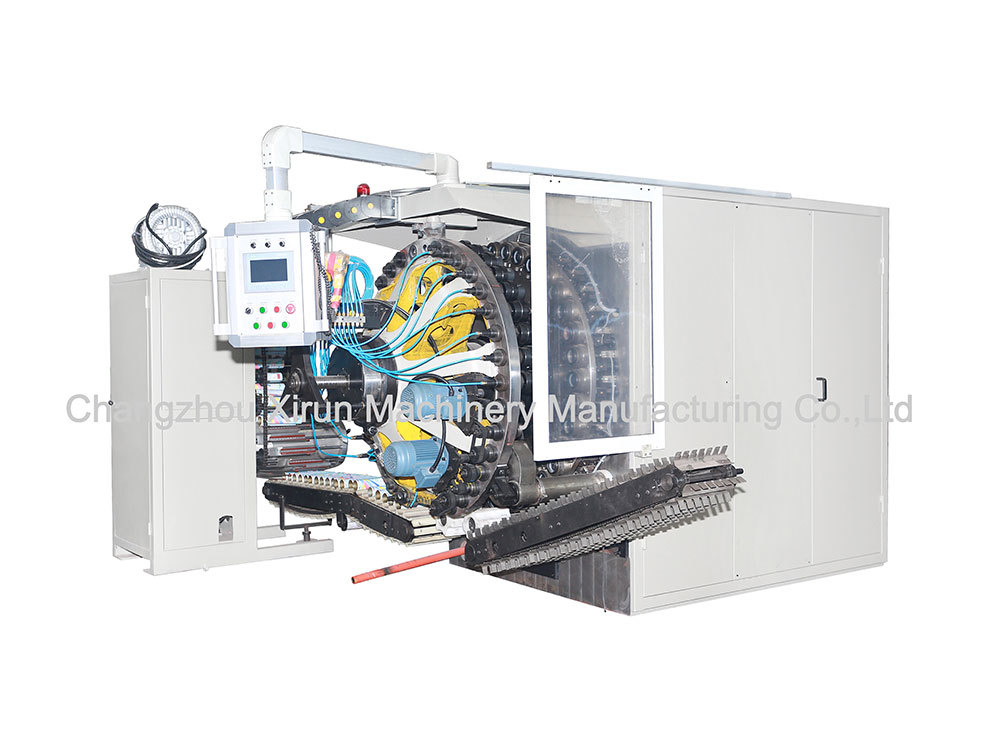
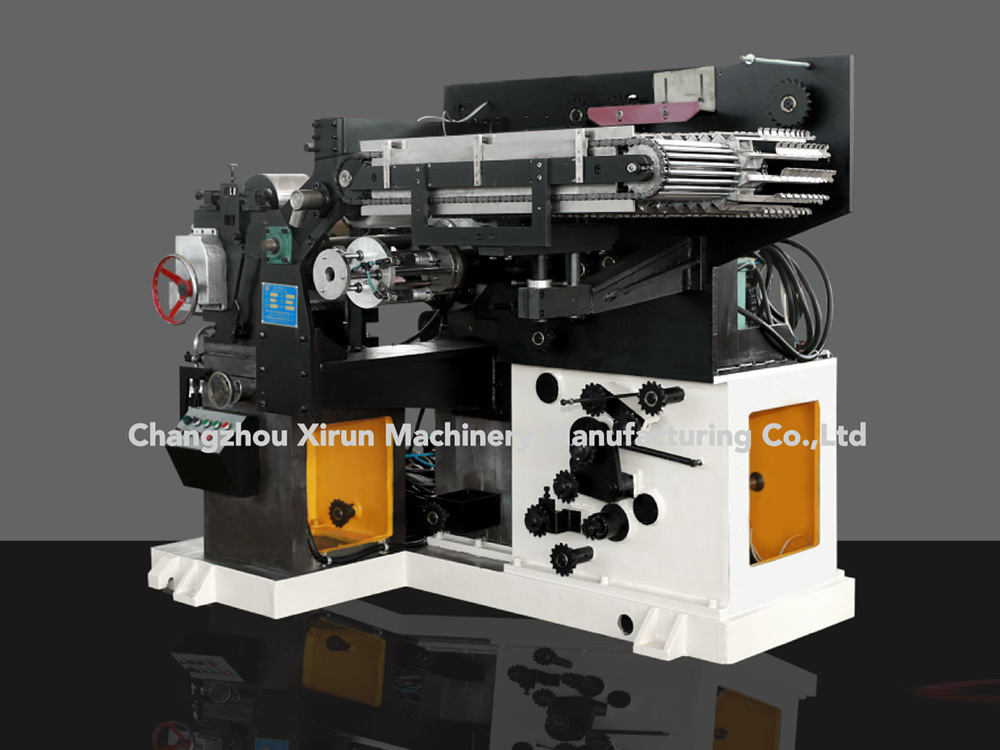
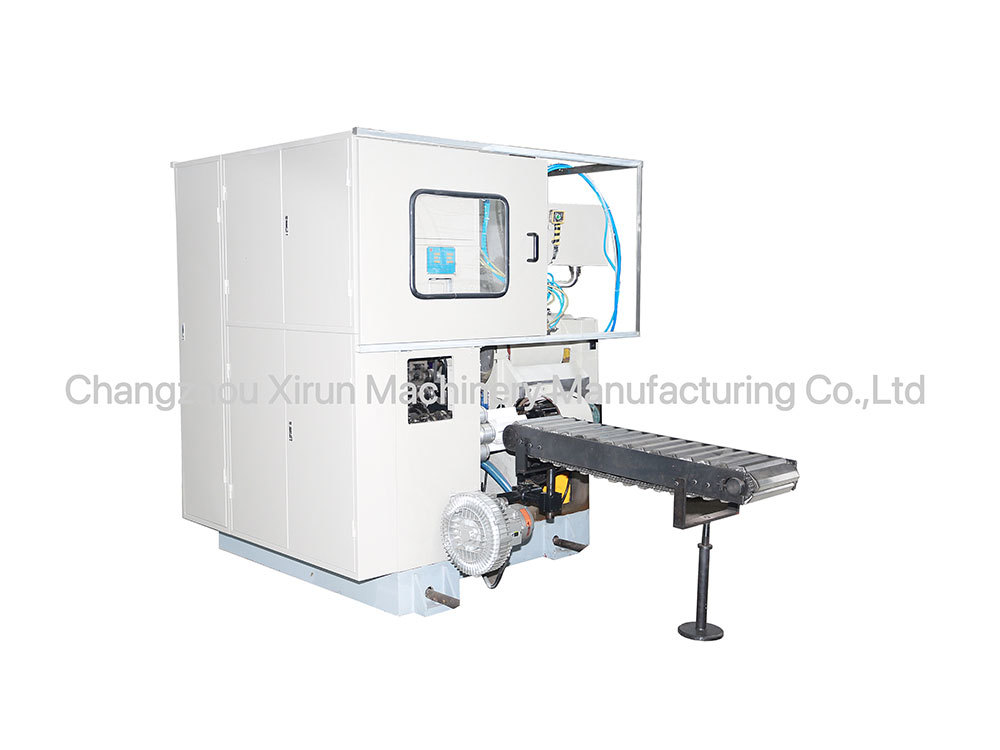
aluminum extrusion press machine
Latest Blog
Leave A Message
You can leave comments and suggestions to us here, and we will reply in time
Phone: +86-13671610042
Add: No. 18, Hengli Road, Xueyan Town, Wujin District, Changzhou City, Jiangsu Province

Whatsapp QR