


Understanding Aluminum Container Necking Machines: A Key Component in Metal Packaging
Aluminum container necking machines are essential equipment in the metal packaging sector, particularly for the production of aluminum containers used in various applications. Necking refers to the process of reducing the diameter of a container’s neck, enabling it to be fitted with closures or caps. This process is crucial for ensuring the integrity and usability of the final product. The operati
Release time:
2026-01-29
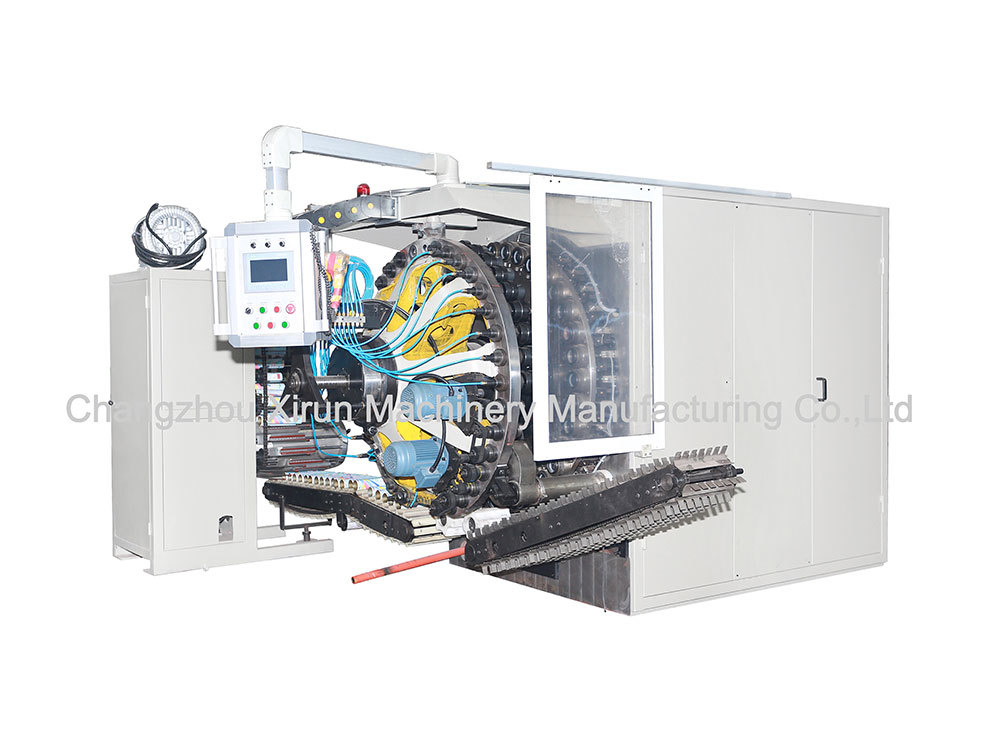
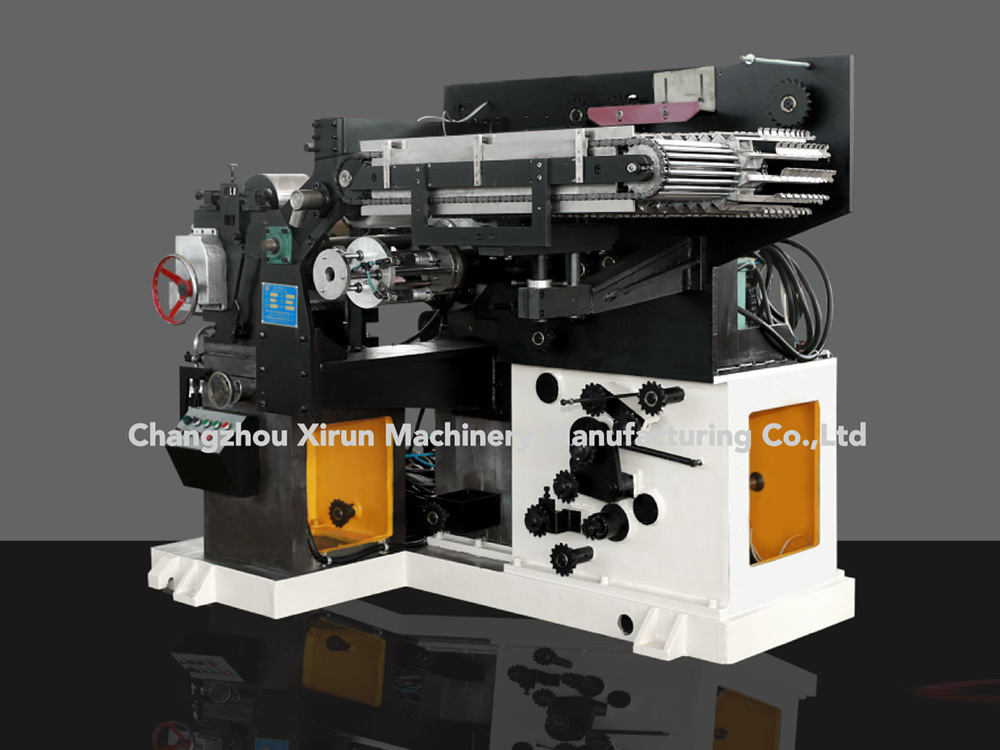
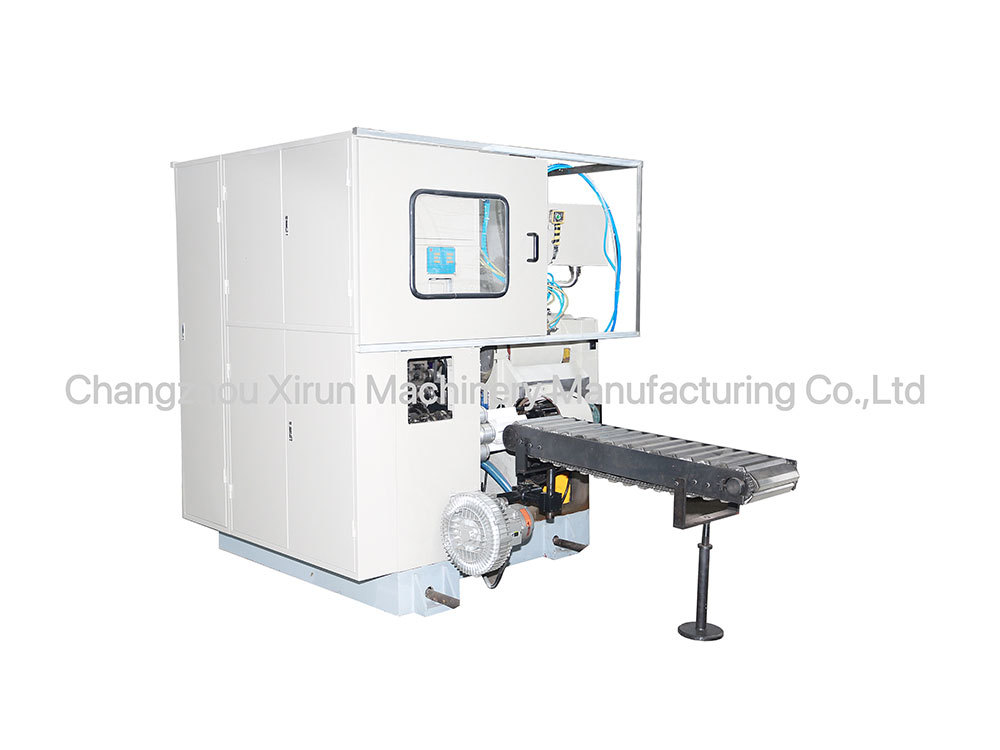
Aluminum container necking machines are essential equipment in the metal packaging sector, particularly for the production of aluminum containers used in various applications. Necking refers to the process of reducing the diameter of a container’s neck, enabling it to be fitted with closures or caps. This process is crucial for ensuring the integrity and usability of the final product.
The operation of an aluminum container necking machine typically involves several stages. Initially, a pre-formed aluminum container is fed into the machine. The machine then applies controlled pressure and mechanical force to the neck area, gradually reducing its diameter to the desired specifications. This process requires precision engineering to maintain the structural integrity of the container while achieving the correct neck size.
One of the primary benefits of using aluminum container necking machines is their ability to produce uniform and consistent neck profiles. This consistency is vital in the packaging industry, as it ensures that lids and caps fit securely, preventing leaks and contamination. Additionally, such machines can be adjusted for different container sizes and shapes, making them versatile tools in production lines.
From a technological standpoint, modern aluminum container necking machines often incorporate advanced automation features. These may include programmable logic controllers (PLCs) for precise control, sensors for real-time monitoring, and data logging capabilities for quality assurance. Such features not only enhance the efficiency of the production process but also significantly reduce the likelihood of human error, ensuring high-quality output.
Furthermore, the use of aluminum as a primary material for containers offers several advantages. Aluminum is lightweight, corrosion-resistant, and fully recyclable, making it an eco-friendly choice for packaging. The necking process complements these benefits by allowing manufacturers to create custom-shaped containers that can cater to specific market needs, thereby enhancing product appeal.
In summary, aluminum container necking machines play a pivotal role in the metal packaging industry, specifically for aluminum and aluminum alloy products. By ensuring precise neck dimensions and enhancing the overall quality of the containers, these machines contribute significantly to the efficiency and reliability of packaging solutions. As demand for sustainable and high-quality packaging continues to rise, the importance of necking machines will only grow, making them invaluable assets in any manufacturing setup. Understanding their operation and benefits can help industry stakeholders make informed decisions about their production capabilities and investment in technology.
The operation of an aluminum container necking machine typically involves several stages. Initially, a pre-formed aluminum container is fed into the machine. The machine then applies controlled pressure and mechanical force to the neck area, gradually reducing its diameter to the desired specifications. This process requires precision engineering to maintain the structural integrity of the container while achieving the correct neck size.
One of the primary benefits of using aluminum container necking machines is their ability to produce uniform and consistent neck profiles. This consistency is vital in the packaging industry, as it ensures that lids and caps fit securely, preventing leaks and contamination. Additionally, such machines can be adjusted for different container sizes and shapes, making them versatile tools in production lines.
From a technological standpoint, modern aluminum container necking machines often incorporate advanced automation features. These may include programmable logic controllers (PLCs) for precise control, sensors for real-time monitoring, and data logging capabilities for quality assurance. Such features not only enhance the efficiency of the production process but also significantly reduce the likelihood of human error, ensuring high-quality output.
Furthermore, the use of aluminum as a primary material for containers offers several advantages. Aluminum is lightweight, corrosion-resistant, and fully recyclable, making it an eco-friendly choice for packaging. The necking process complements these benefits by allowing manufacturers to create custom-shaped containers that can cater to specific market needs, thereby enhancing product appeal.
In summary, aluminum container necking machines play a pivotal role in the metal packaging industry, specifically for aluminum and aluminum alloy products. By ensuring precise neck dimensions and enhancing the overall quality of the containers, these machines contribute significantly to the efficiency and reliability of packaging solutions. As demand for sustainable and high-quality packaging continues to rise, the importance of necking machines will only grow, making them invaluable assets in any manufacturing setup. Understanding their operation and benefits can help industry stakeholders make informed decisions about their production capabilities and investment in technology.
aluminum container necking machine
Latest Blog
Leave A Message
You can leave comments and suggestions to us here, and we will reply in time
Phone: +86-13671610042
Add: No. 18, Hengli Road, Xueyan Town, Wujin District, Changzhou City, Jiangsu Province

Whatsapp QR