


Understanding Internal Lacquering Machines: Essential Technology for Metal Packaging
Internal lacquering machines play a crucial role in the metal packaging sector, specifically for aluminum and aluminum alloy materials used in various products. These machines are designed to apply protective coatings on the interior surfaces of metal containers, which is essential for preserving the quality of contents while ensuring the safety of consumers. The primary function of an internal la
Release time:
2026-02-06
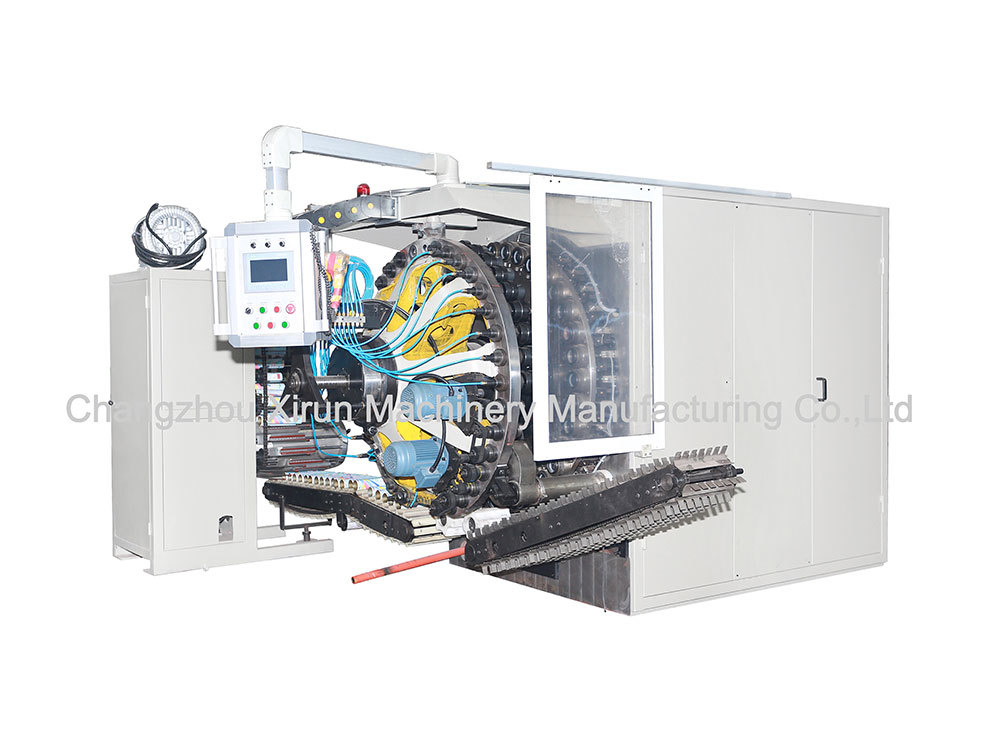
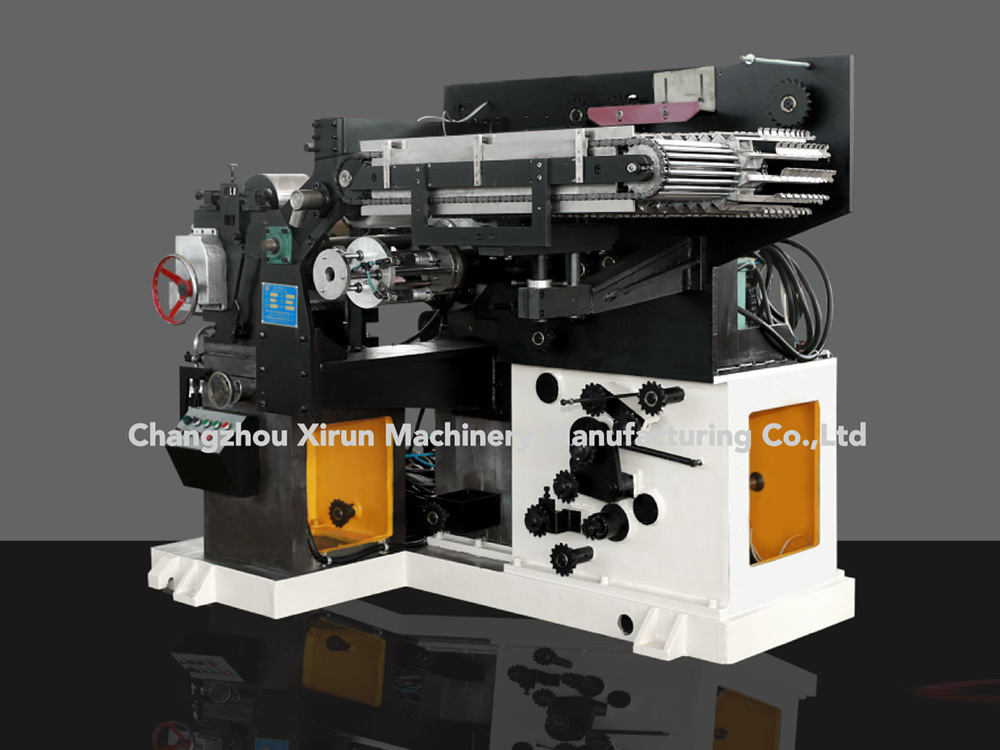
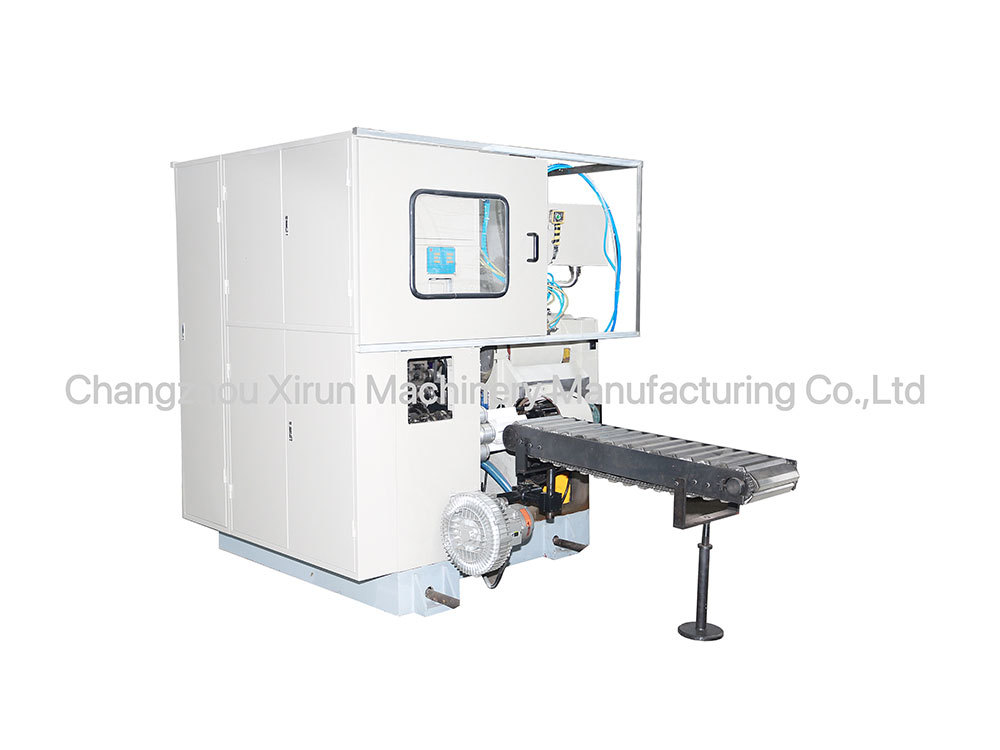
Internal lacquering machines play a crucial role in the metal packaging sector, specifically for aluminum and aluminum alloy materials used in various products. These machines are designed to apply protective coatings on the interior surfaces of metal containers, which is essential for preserving the quality of contents while ensuring the safety of consumers.
The primary function of an internal lacquering machine is to create a barrier between the metal and the product it contains. This barrier helps prevent reactions that can lead to corrosion, contamination, or degradation of the product. The use of these machines is particularly important in the food and beverage industry, where maintaining the integrity of the contents is critical for consumer safety and satisfaction.
Internal lacquering machines operate using advanced technology that allows for precise application of lacquer. The machines typically employ a combination of spraying and curing processes to ensure an even and durable coating. The choice of lacquer is also significant; it must be compatible with the materials being coated, and it should meet relevant regulatory standards for safety and environmental impact.
In terms of productivity, internal lacquering machines are designed for efficiency. They can handle high volumes of production while maintaining consistent quality. Features such as automation and real-time monitoring systems are often integrated to optimize performance, reduce waste, and enhance operational effectiveness.
Moreover, advancements in technology have led to the development of eco-friendly lacquering options, which align with the growing demand for sustainable packaging solutions. These innovations not only meet regulatory standards but also appeal to environmentally conscious consumers, making them a valuable choice for manufacturers aiming to enhance their market position.
When selecting an internal lacquering machine, industry professionals should consider several factors including machine capacity, ease of maintenance, and compatibility with existing production lines. It's also beneficial to assess the machine's flexibility to accommodate different sizes and types of containers, as this can significantly impact overall efficiency and cost-effectiveness.
In conclusion, internal lacquering machines are a vital component in the metal packaging industry, particularly for aluminum and aluminum alloys. By ensuring a protective coating on the interior surfaces of containers, these machines enhance product quality, extend shelf life, and contribute to consumer safety. Investing in advanced internal lacquering technology can lead to significant competitive advantages in the ever-evolving market of metal packaging.
The primary function of an internal lacquering machine is to create a barrier between the metal and the product it contains. This barrier helps prevent reactions that can lead to corrosion, contamination, or degradation of the product. The use of these machines is particularly important in the food and beverage industry, where maintaining the integrity of the contents is critical for consumer safety and satisfaction.
Internal lacquering machines operate using advanced technology that allows for precise application of lacquer. The machines typically employ a combination of spraying and curing processes to ensure an even and durable coating. The choice of lacquer is also significant; it must be compatible with the materials being coated, and it should meet relevant regulatory standards for safety and environmental impact.
In terms of productivity, internal lacquering machines are designed for efficiency. They can handle high volumes of production while maintaining consistent quality. Features such as automation and real-time monitoring systems are often integrated to optimize performance, reduce waste, and enhance operational effectiveness.
Moreover, advancements in technology have led to the development of eco-friendly lacquering options, which align with the growing demand for sustainable packaging solutions. These innovations not only meet regulatory standards but also appeal to environmentally conscious consumers, making them a valuable choice for manufacturers aiming to enhance their market position.
When selecting an internal lacquering machine, industry professionals should consider several factors including machine capacity, ease of maintenance, and compatibility with existing production lines. It's also beneficial to assess the machine's flexibility to accommodate different sizes and types of containers, as this can significantly impact overall efficiency and cost-effectiveness.
In conclusion, internal lacquering machines are a vital component in the metal packaging industry, particularly for aluminum and aluminum alloys. By ensuring a protective coating on the interior surfaces of containers, these machines enhance product quality, extend shelf life, and contribute to consumer safety. Investing in advanced internal lacquering technology can lead to significant competitive advantages in the ever-evolving market of metal packaging.
internal lacquering machine
Latest Blog
Leave A Message
You can leave comments and suggestions to us here, and we will reply in time
Phone: +86-13671610042
Add: No. 18, Hengli Road, Xueyan Town, Wujin District, Changzhou City, Jiangsu Province

Whatsapp QR