


Reducing Costs with High-Quality Multi-Color Printing Solutions: A Comprehensive Guide
Reducing Costs with High-Quality Multi-Color Printing Solutions Table of Contents 1. Introduction to Multi-Color Printing Solutions 2. Understanding the Cost Factors in Multi-Color Printing 3. Choosing the Right Printing Technology for Cost Efficiency 3.1 Digital Printing vs. Traditional Printing Methods 3.2 The Importance of Print Quality 4. Optimizing Your Printing Processes 4.1 Streamlining Pre
Release time:
2026-02-08
Reducing Costs with High-Quality Multi-Color Printing Solutions
Table of Contents
1. Introduction to Multi-Color Printing Solutions
2. Understanding the Cost Factors in Multi-Color Printing
3. Choosing the Right Printing Technology for Cost Efficiency
3.1 Digital Printing vs. Traditional Printing Methods
3.2 The Importance of Print Quality
4. Optimizing Your Printing Processes
4.1 Streamlining Pre-Press Operations
4.2 Efficient Press Operations and Maintenance
5. Sourcing Quality Materials at Competitive Prices
6. The Role of Automation in Reducing Printing Costs
7. Case Studies: Successful Cost Reduction in Multi-Color Printing
8. Frequently Asked Questions (FAQs)
9. Conclusion
1. Introduction to Multi-Color Printing Solutions
In today’s competitive marketplace, businesses are continuously seeking ways to **reduce costs** while maintaining the **highest quality** in their products. One area where significant savings can be achieved is in multi-color printing solutions. By utilizing advanced technology and innovative strategies, organizations can explore effective ways to lower their printing expenses without compromising on quality. This guide aims to provide you with valuable insights and strategies to help you **reduce costs with high-quality multi-color printing solutions**.
2. Understanding the Cost Factors in Multi-Color Printing
Before diving into solutions, it’s essential to understand the various **cost factors** associated with multi-color printing. These factors can significantly impact your overall expenses, particularly when operating on a large scale.
Material Costs
The type and quality of materials used in printing play a crucial role in determining costs. High-quality inks, paper, and substrates can be more expensive but often yield better results. Balancing quality with cost is essential for achieving optimal outcomes.
Labor Costs
Labor costs include the expenses related to the workforce involved in the printing process. Efficiently managing labor can help reduce costs, particularly when employing skilled workers who can operate machinery effectively.
Equipment Costs
Investing in high-quality printing equipment is vital. However, the initial capital investment can be substantial. Understanding the total cost of ownership, including maintenance and operational expenses, is crucial for financial planning.
Production Volume
Higher production volumes often lead to lower costs per unit. Understanding the relationship between volume and cost can assist in making informed decisions regarding print runs and inventory management.
3. Choosing the Right Printing Technology for Cost Efficiency
Selecting the appropriate printing technology is fundamental to achieving cost efficiency in multi-color printing. Various technologies offer unique advantages and disadvantages.
3.1 Digital Printing vs. Traditional Printing Methods
Digital printing has revolutionized the industry by offering flexibility, lower setup costs, and the ability to produce small batches economically. Traditional methods like offset printing, while cost-effective for large volumes, involve higher initial costs and longer setup times. Understanding the benefits of each method is crucial to aligning technology with your budget and production needs.
3.2 The Importance of Print Quality
One cannot compromise on print quality when striving to reduce costs. High-quality prints enhance brand perception and customer satisfaction, ultimately contributing to long-term savings. Investing in superior printing technology and materials can lead to better results and less waste.
4. Optimizing Your Printing Processes
Streamlining your printing processes can significantly contribute to cost reduction. Here are some strategies to consider:
4.1 Streamlining Pre-Press Operations
The pre-press phase is critical and can influence the efficiency of the entire printing process. Utilizing software that automates design and layout can reduce errors and save time. Proper file preparation and proofing are essential to prevent costly mistakes later on.
4.2 Efficient Press Operations and Maintenance
Regular maintenance of printing equipment ensures that machines operate at optimal levels, reducing downtime and repair costs. Training staff on best practices for operating and maintaining equipment can also lead to improved efficiency and reduced waste.
5. Sourcing Quality Materials at Competitive Prices
Establishing strong relationships with suppliers can lead to better pricing on inks, papers, and substrates. Regularly evaluating suppliers and negotiating contracts can help secure competitive rates without sacrificing quality.
6. The Role of Automation in Reducing Printing Costs
Automation in the printing process can lead to significant cost savings. Implementing automated workflows can streamline operations, reduce labor costs, and minimize human error. Investing in automated systems for inventory management and order processing can further enhance efficiency.
7. Case Studies: Successful Cost Reduction in Multi-Color Printing
Examining success stories from other businesses can provide insight into effective strategies for cost reduction. Companies that have embraced advanced printing technologies and optimized their processes have reported substantial savings. For instance, a leading packaging company implemented digital printing solutions, reducing material waste and labor costs, and ultimately increasing profit margins.
8. Frequently Asked Questions (FAQs)
Q1: What are the main benefits of multi-color printing?
A1: Multi-color printing allows for vibrant designs, better brand representation, and enhanced customer engagement, leading to higher sales potential.
Q2: How can I determine the right printing technology for my business?
A2: Evaluate your production volume, budget, and quality requirements. Digital printing is ideal for smaller runs, while offset printing is more suitable for larger quantities.
Q3: What strategies can help minimize waste in printing?
A3: Streamlining pre-press operations, utilizing efficient design software, and keeping equipment well-maintained can minimize waste.
Q4: How can automation improve printing efficiency?
A4: Automation reduces manual intervention, decreases human error, and streamlines workflows, resulting in faster turnaround times and reduced labor costs.
Q5: What role does supplier selection play in cost reduction?
A5: Choosing reliable suppliers can lead to better pricing on materials and consistent quality, impacting the overall cost of printing.
9. Conclusion
In a highly competitive landscape, organizations must explore every avenue to **reduce costs** while maintaining **high-quality** standards in their multi-color printing solutions. By understanding the cost factors, selecting the appropriate technology, optimizing processes, sourcing quality materials, and embracing automation, businesses can achieve substantial savings. Implementing these strategies not only provides financial benefits but also enhances the overall quality of printed materials, ultimately leading to increased customer satisfaction and loyalty.
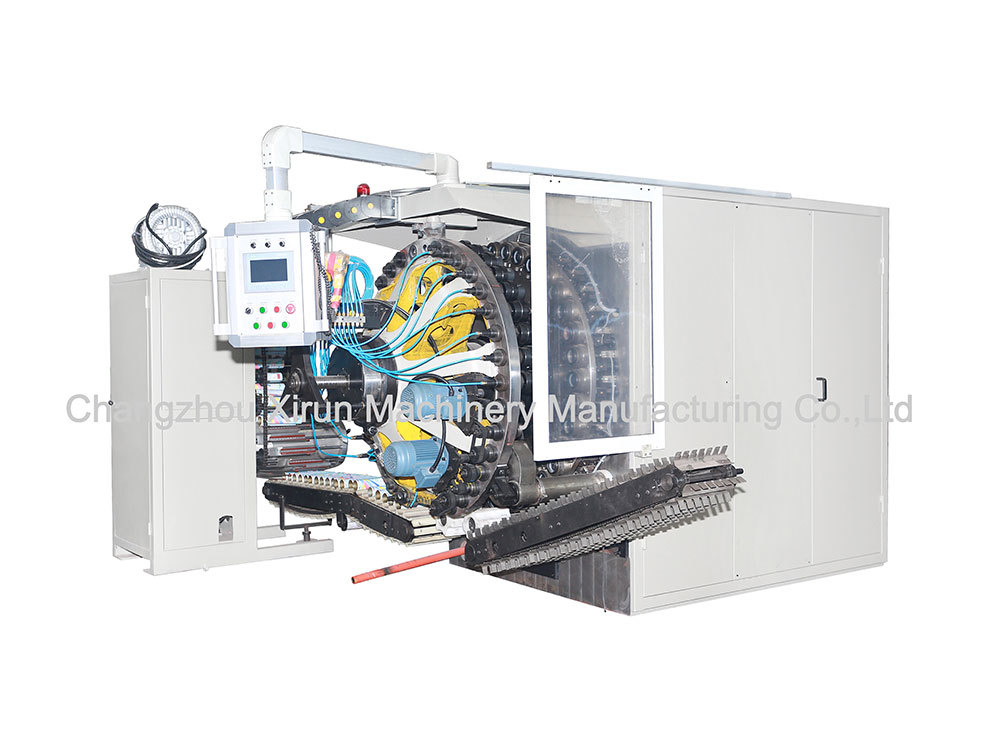
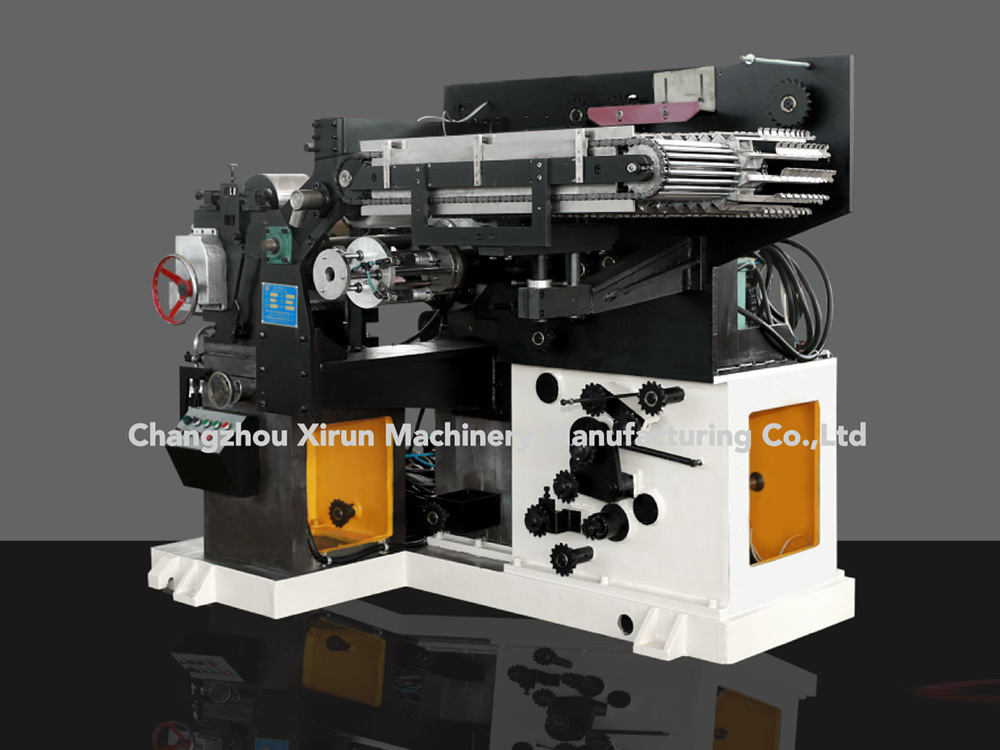
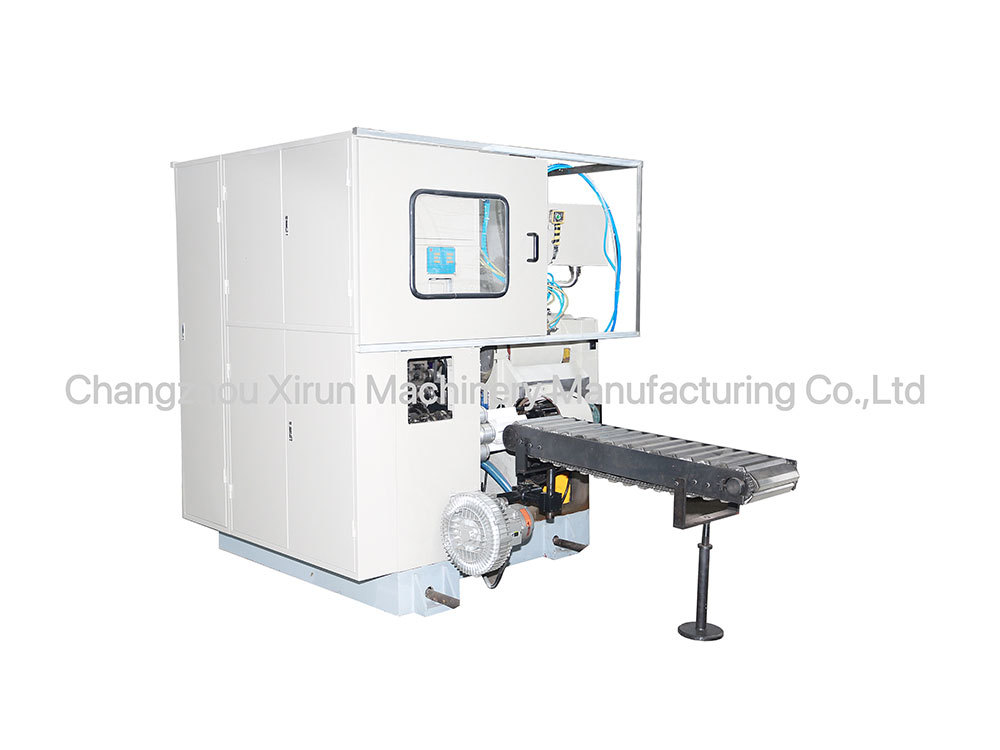
multi-color printing machine
Latest Blog
Leave A Message
You can leave comments and suggestions to us here, and we will reply in time
Phone: +86-13671610042
Add: No. 18, Hengli Road, Xueyan Town, Wujin District, Changzhou City, Jiangsu Province

Whatsapp QR