


Understanding Internal Lacquering Machines in Metal Packaging
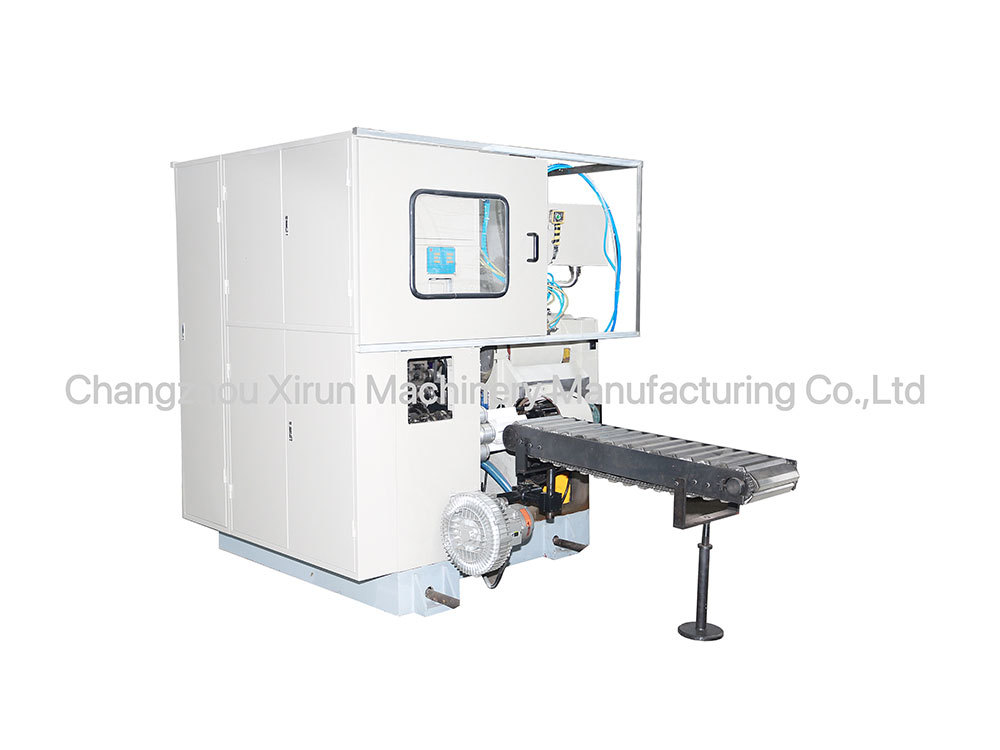
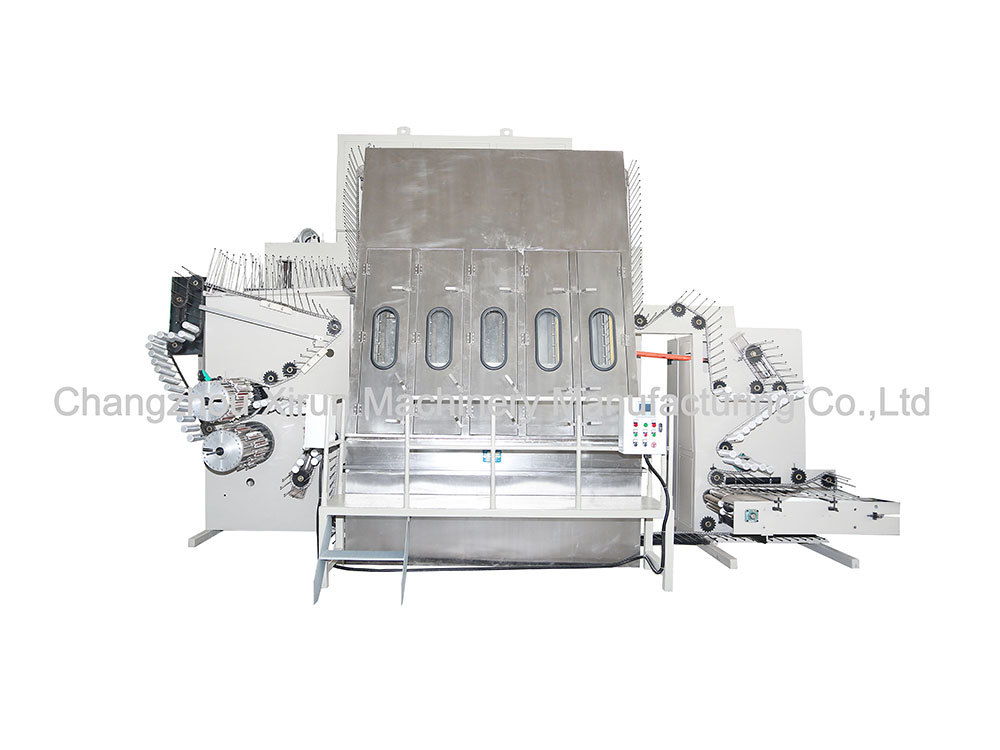
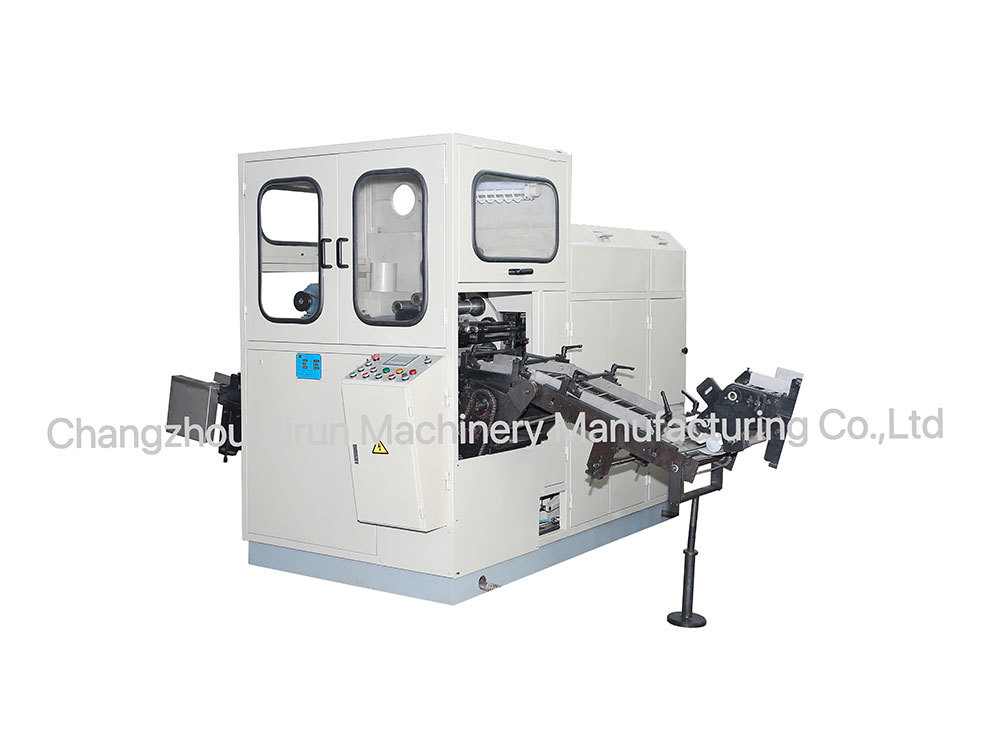
In the metal packaging industry, particularly when dealing with aluminum and aluminum alloys, the use of internal lacquering machines has become essential. These machines play a critical role in enhancing the quality and longevity of metal containers used for various products, including food and beverages. An internal lacquering machine applies a protective coating to the inner surfaces of metal p
Release time:
2026-03-02
One of the primary functions of an internal lacquering machine is to create a barrier between the metal surface and the contents within the container. This barrier is crucial for preventing chemical reactions that could lead to corrosion or contamination. For example, when aluminum is used for packaging acidic products, such as beverages or certain food items, an appropriate lacquer can safeguard against the corrosive effects of these substances. This not only protects the product but also ensures that the flavor and quality remain intact.
Moreover, the internal lacquering process contributes to the overall durability of the packaging. By applying a uniform layer of lacquer, manufacturers can significantly enhance the resistance of the containers to wear and tear during transportation and storage. This durability is pivotal in reducing product loss and minimizing the risk of leaks or breaks, which can be costly for businesses and detrimental to brand reputation.
Another aspect to consider is the compliance with safety regulations. Many industries are subject to strict guidelines regarding the materials used in packaging, especially when it comes to food and pharmaceuticals. Internal lacquering machines are designed to apply coatings that meet these stringent safety standards, ensuring that the packaging is safe for consumer use. This compliance not only protects consumers but also enhances the credibility of manufacturers in a competitive market.
The technology behind internal lacquering machines has evolved over the years, incorporating automated processes and advanced materials to improve efficiency and precision. Modern machines offer features such as adjustable application thickness, rapid curing times, and easy cleaning mechanisms, which contribute to a more streamlined production process. By investing in state-of-the-art internal lacquering machines, manufacturers can achieve higher productivity levels while maintaining high-quality standards.
In conclusion, internal lacquering machines are a vital component in the metal packaging industry, especially for aluminum and aluminum alloys. They not only enhance the safety and quality of the packaged products but also contribute to the longevity and durability of the packaging itself. As the industry continues to evolve, the importance of these machines will only grow, making them an indispensable asset for any manufacturer involved in metal packaging.
internal lacquering machine
Previous Page
Previous Page
Latest Blog
Leave A Message
You can leave comments and suggestions to us here, and we will reply in time
Phone: +86-13671610042
Add: No. 18, Hengli Road, Xueyan Town, Wujin District, Changzhou City, Jiangsu Province

Whatsapp QR