


How to Increase the Lifespan of Aluminum Tubes with Proper Washing
How to Increase the Lifespan of Aluminum Tubes with Proper Washing Table of Contents Introduction to Aluminum Tubes and Their Uses The Importance of Proper Washing for Aluminum Tubes Common Dirt and Contaminants Affecting Aluminum Tubes Effective Washing Techniques for Aluminum Tubes Manual Washing Methods Machine Washing Techniques
Release time:
2026-03-13
How to Increase the Lifespan of Aluminum Tubes with Proper Washing
Table of Contents
- Introduction to Aluminum Tubes and Their Uses
- The Importance of Proper Washing for Aluminum Tubes
- Common Dirt and Contaminants Affecting Aluminum Tubes
- Effective Washing Techniques for Aluminum Tubes
- Recommended Cleaning Solutions for Aluminum Tubes
- Best Practices for Drying Aluminum Tubes After Washing
- Preventive Maintenance Tips for Aluminum Tubes
- Frequently Asked Questions
- Conclusion
Introduction to Aluminum Tubes and Their Uses
Aluminum tubes are widely recognized for their versatility and durability in various industries, including packaging, cosmetics, pharmaceuticals, and food. Their lightweight nature, resistance to corrosion, and excellent barrier properties make them ideal for storing liquids and pastes. However, to maintain their effectiveness and extend their lifespan, proper care, particularly washing, is essential.
The Importance of Proper Washing for Aluminum Tubes
Proper washing of aluminum tubes plays a crucial role in ensuring their longevity and performance. Residual contaminants such as oils, dirt, and other substances can compromise the integrity of the tube, leading to premature degradation and potential product contamination. Implementing effective washing techniques not only enhances the lifespan of the tubes but also ensures the safety and quality of the products they contain.
Common Dirt and Contaminants Affecting Aluminum Tubes
Before delving into washing techniques, it's vital to understand the common contaminants that can affect aluminum tubes. These include:
1. Oils and Greases
Oils and greases can originate from handling during manufacturing or packaging processes. Even small residues can create a barrier that affects the integrity of the aluminum.
2. Dust and Particulates
Dust accumulation is inevitable, especially in environments where aluminum tubes are stored or transported. These particles can scratch the surface and compromise the aesthetic quality of the packaging.
3. Chemical Residues
Chemical residues from manufacturing processes, such as lubricants or cleaning agents, can cling to the surface, affecting the tube’s usability and product safety.
4. Bacteria and Microorganisms
In industries like food and cosmetics, the presence of bacteria can pose serious health risks. Thorough washing is essential to eliminate these harmful organisms.
Effective Washing Techniques for Aluminum Tubes
When it comes to washing aluminum tubes, the method chosen can significantly impact their longevity. Here are two primary techniques:
Manual Washing Methods
Manual washing is often employed for smaller batches or delicate items. This technique allows for greater control but requires careful execution:
- **Step 1: Gather Supplies**
Use a soft sponge or cloth, antibacterial soap or a gentle cleaning solution, and warm water.
- **Step 2: Prepare the Tubes**
Rinse the tubes under warm water to remove loose dirt and debris.
- **Step 3: Apply Cleaning Solution**
Apply a small amount of cleaning solution to the sponge and gently scrub the tube’s surface. Avoid abrasive materials that could scratch the aluminum.
- **Step 4: Rinse Thoroughly**
Rinse the tube thoroughly under warm running water to remove all soap residues.
- **Step 5: Dry Properly**
Use a clean, soft towel to dry the tubes immediately after washing to prevent water spots or corrosion.
Machine Washing Techniques
For larger operations, machine washing can streamline the process and ensure consistency:
- **Step 1: Select the Right Machine**
Choose a washing machine designed for aluminum components that uses non-abrasive brushes and gentle cycles.
- **Step 2: Load the Tubes Properly**
Ensure the tubes are arranged securely without touching each other to minimize movement during the wash cycle.
- **Step 3: Use Appropriate Cleaning Solutions**
Use detergents specifically formulated for aluminum, avoiding harsh chemicals that can cause pitting.
- **Step 4: Set the Cycle**
Program the washing machine for a gentle wash cycle followed by a thorough rinse cycle to ensure all soap is removed.
- **Step 5: Dry the Tubes**
Utilize a drying mechanism within the machine or transfer to a drying rack to ensure all moisture is eliminated before storage.
Recommended Cleaning Solutions for Aluminum Tubes
Choosing the right cleaning solution is essential for maintaining the quality of aluminum tubes. Here are some recommended options:
1. Mild Detergents
Opt for mild, pH-balanced detergents that are effective in removing oils and dirt without harming the aluminum surface.
2. Vinegar and Water Solution
A mixture of vinegar and water can serve as an effective natural cleaning solution, thanks to vinegar's acidity which helps dissolve mineral deposits and grime.
3. Commercial Aluminum Cleaners
Consider using specialized commercial cleaners formulated for aluminum. These products are designed to remove specific contaminants while protecting the metal.
Best Practices for Drying Aluminum Tubes After Washing
Proper drying is as critical as washing. Here are effective drying methods:
1. Air Drying
Allowing tubes to air dry in a clean, dust-free environment can be effective. Ensure they are spaced apart to promote airflow.
2. Towel Drying
Using lint-free towels to gently dab the tubes can prevent water spots. Be cautious not to apply excessive pressure that could dent the aluminum.
3. Heat Drying
In industrial settings, heat drying can be effective. However, it’s essential to use controlled temperatures to avoid warping the aluminum.
Preventive Maintenance Tips for Aluminum Tubes
To further extend the lifespan of aluminum tubes, consider these preventive maintenance tips:
1. Regular Inspections
Conduct routine inspections for wear and tear, ensuring that any issues are addressed promptly to avoid further damage.
2. Proper Storage
Store aluminum tubes in a cool, dry place away from direct sunlight and extreme temperatures to prevent corrosion and degradation.
3. Avoid Chemical Exposure
Keep aluminum tubes away from harsh chemicals and solvents that may react with the aluminum surface.
4. Handling Precautions
Train staff on proper handling techniques to minimize the risk of scratches or dents that can compromise the aluminum's integrity.
Frequently Asked Questions
1. What is the best way to clean aluminum tubes?
The best way to clean aluminum tubes is by using mild detergents or specialized aluminum cleaners with gentle scrubbing methods, followed by thorough rinsing and proper drying.
2. Can I use bleach to clean aluminum tubes?
No, bleach can damage aluminum surfaces. It's recommended to use non-abrasive cleaners specifically formulated for aluminum.
3. How often should aluminum tubes be washed?
The washing frequency depends on usage and exposure to contaminants. Generally, it is advisable to wash them after each use or at least once a month if in storage.
4. What should I avoid when cleaning aluminum tubes?
Avoid abrasive materials, harsh chemicals like bleach, and high-pressure washing, as these can scratch or damage the aluminum.
5. Is it necessary to dry aluminum tubes after washing?
Yes, drying aluminum tubes is crucial to prevent water spots, corrosion, and ensure they are ready for use without contamination.
Conclusion
Maintaining the lifespan of aluminum tubes through proper washing techniques is essential for ensuring their durability and functionality. By understanding the contaminants that can affect them and implementing effective washing and drying methods, businesses can enhance the longevity of their aluminum packaging. Regular inspections and preventive maintenance further contribute to optimal performance, ensuring that aluminum tubes serve their purpose efficiently within various industries. By adopting these best practices, you can maximize the value and effectiveness of your aluminum tubes, ultimately leading to higher quality products and safer storage solutions.
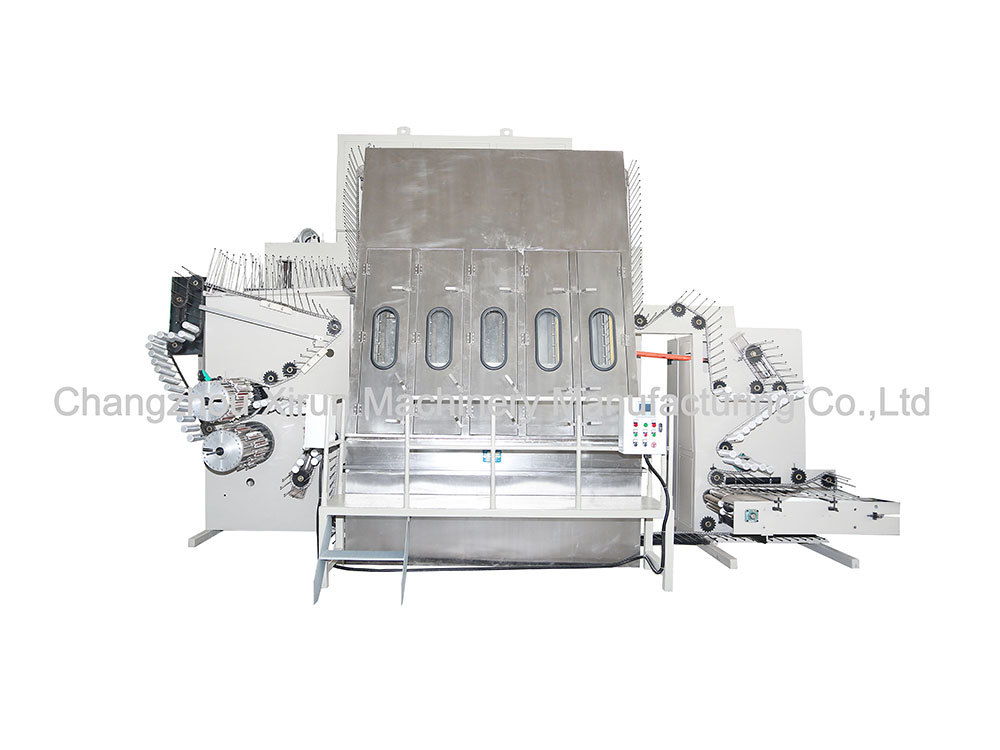
washing machine for aluminum tubes
Previous Page
Previous Page
Latest Blog
Leave A Message
You can leave comments and suggestions to us here, and we will reply in time
Phone: +86-13671610042
Add: No. 18, Hengli Road, Xueyan Town, Wujin District, Changzhou City, Jiangsu Province

Whatsapp QR