


Exploring the Environmental Benefits of Multi-Color Printing: A Comprehensive Analysis
Exploring the Environmental Benefits of Multi-Color Printing Introduction to Multi-Color Printing and Its Environmental Impact In today’s fast-paced world, the demand for visually appealing printed materials has surged. Multi-color printing has emerged as a leading choice for various industries, from packaging to promotional materials. But beyond aesthetics, multi-color printing possesses notable
Release time:
2026-04-10
Exploring the Environmental Benefits of Multi-Color Printing
Introduction to Multi-Color Printing and Its Environmental Impact
In today’s fast-paced world, the demand for visually appealing printed materials has surged. Multi-color printing has emerged as a leading choice for various industries, from packaging to promotional materials. But beyond aesthetics, multi-color printing possesses notable environmental benefits that contribute to a more sustainable future. This article aims to explore these benefits in detail, giving insight into how businesses can align their printing methods with eco-friendly practices.
Understanding Multi-Color Printing Technology
What is Multi-Color Printing?
Multi-color printing involves the use of various ink colors to produce vibrant, detailed images and texts on different substrates. Common techniques include digital printing, offset printing, and flexographic printing, which allow businesses to create intricate designs that stand out.
Types of Multi-Color Printing Techniques
1. **Digital Printing**: Utilizes digital files to print directly onto materials without the need for physical plates. This method is efficient for short runs and offers high-quality output.
2. **Offset Printing**: Transfers ink from a plate to a rubber blanket, which then applies the ink to the printing surface. Ideal for large volumes, it produces sharp and consistent images.
3. **Flexographic Printing**: Employs flexible relief plates to print on various substrates. It's commonly used for packaging, labels, and newspapers, providing speed and versatility.
The Eco-Friendly Aspects of Multi-Color Printing
1. Reduced Ink Consumption through Efficient Processes
One of the key benefits of multi-color printing is its efficiency in ink usage. Advanced technologies reduce the amount of ink required to achieve vibrant colors. For example, digital printing minimizes the waste generated during the setup process, allowing for a more sustainable approach as less ink is discarded.
2. Utilization of Eco-Friendly Inks
The rise in environmental consciousness has led to the development of eco-friendly inks. These inks are made from renewable resources and are free from harmful solvents and chemicals. Businesses that opt for vegetable-based or water-based inks can significantly lower their environmental footprint.
Types of Eco-Friendly Inks
- **Soy-Based Inks**: Derived from soybeans, these inks are biodegradable and emit fewer volatile organic compounds (VOCs).
- **Water-Based Inks**: Use water as a solvent, significantly reducing the emission of harmful chemicals and making them safer for both the environment and human health.
3. Energy Efficiency in Printing Operations
Multi-color printing technology has made tremendous strides in energy efficiency. Modern printing machines are designed to consume less energy while delivering high-quality results. By investing in energy-efficient equipment, businesses can reduce their carbon footprint and operational costs simultaneously.
Waste Reduction and Resource Management
1. Less Material Waste
Multi-color printing helps in reducing waste associated with traditional printing methods. The ability to print on demand means that companies can produce the exact quantity needed, minimizing excess inventory that often leads to discarded materials.
2. Sustainable Sourcing of Materials
Many companies are now choosing to source their printing materials sustainably. This includes using recycled paper or biodegradable substrates, which further enhances the eco-friendliness of the printing process. By selecting responsibly sourced materials, businesses can assure their clients of their commitment to sustainability.
Benefits of Using Recycled Materials
- **Conservation of Resources**: Using recycled materials reduces the need for virgin resources, which helps in conserving forests and reducing pollution.
- **Lower Energy Costs**: Recycling typically requires less energy than producing new materials, contributing to reduced greenhouse gas emissions.
The Role of Multi-Color Printing in Product Lifecycle Management
1. Enhancing Product Appeal while Being Eco-Friendly
Multi-color printing allows brands to create visually striking packaging that attracts consumers while adhering to sustainable practices. This dual advantage helps in enhancing brand loyalty and encouraging eco-conscious buying habits.
2. Lifecycle Assessment of Printed Products
Conducting a lifecycle assessment (LCA) helps businesses understand the environmental impact of their products from creation to disposal. Multi-color printed materials can be evaluated for their sustainability at every stage, ensuring that brands are aware of their overall eco-footprint.
Case Studies: Successful Implementation of Eco-Friendly Multi-Color Printing
1. A Leading Beverage Brand
A notable example is a prominent beverage brand that transitioned to multi-color printing with eco-friendly inks and sustainable packaging. The company reported a 30% reduction in its production waste and an improved brand image due to its commitment to sustainability.
2. Eco-Conscious Packaging Company
Another successful case is an eco-conscious packaging company that specializes in multi-color printing. By utilizing recycled materials and efficient printing processes, the business not only thrived but also attracted other brands looking to improve their environmental impact.
Challenges and Solutions in Multi-Color Printing
1. Overcoming Perceptions of Cost
One of the challenges faced by businesses is the perception that sustainable printing is more expensive. However, advancements in technology and increased demand for eco-friendly products have led to competitive pricing. Companies can achieve cost-effectiveness by consolidating their printing needs and investing in high-quality equipment.
2. Training and Education on Sustainable Practices
Training staff on eco-friendly practices in multi-color printing can be critical. Offering educational programs can empower employees to embrace sustainable methods and understand the importance of their role in reducing the company’s environmental impact.
Future Trends in Eco-Friendly Multi-Color Printing
1. Innovations in Printing Technology
The future of multi-color printing looks bright with ongoing innovations. Emerging technologies such as 3D printing and augmented reality are being explored to create even more sustainable products while enhancing consumer engagement.
2. Increasing Consumer Demand for Sustainability
As consumers become more environmentally conscious, the demand for eco-friendly printed products will likely increase. Businesses that adopt multi-color printing techniques with a focus on sustainability will be better positioned to meet consumer expectations and stand out in the marketplace.
Conclusion
The exploration of multi-color printing reveals numerous environmental benefits that contribute to a more sustainable future. From reduced ink consumption and the use of eco-friendly inks to waste reduction and innovative technologies, multi-color printing offers a compelling solution for businesses seeking to enhance their ecological footprint. By embracing these practices, companies can not only improve their operational efficiencies but also appeal to an increasingly environmentally conscious consumer base. In a world where sustainability is becoming paramount, multi-color printing stands as a beacon of innovation and responsibility.
Frequently Asked Questions (FAQs)
1. What are the primary environmental benefits of multi-color printing?
The primary benefits include reduced ink consumption, the use of eco-friendly inks, energy efficiency, and waste reduction.
2. How does multi-color printing reduce waste?
By allowing on-demand printing and minimizing excess inventory, businesses can produce only what is needed, resulting in less material waste.
3. Are eco-friendly inks as effective as traditional inks?
Yes, eco-friendly inks have evolved significantly and can produce vibrant colors and high-quality prints comparable to traditional inks.
4. Can multi-color printing be cost-effective?
Yes, with advancements in technology and efficient processes, multi-color printing can be just as cost-effective as traditional printing methods, especially for shorter runs.
5. What future trends should we expect in sustainable printing?
Anticipated trends include innovations in printing technology, increased consumer demand for sustainability, and the continued development of eco-friendly materials and inks.
This comprehensive exploration of multi-color printing highlights its significant environmental benefits, making it an essential consideration for businesses aiming to operate sustainably. By aligning printing practices with eco-friendly initiatives, companies can lead the charge toward a greener future.
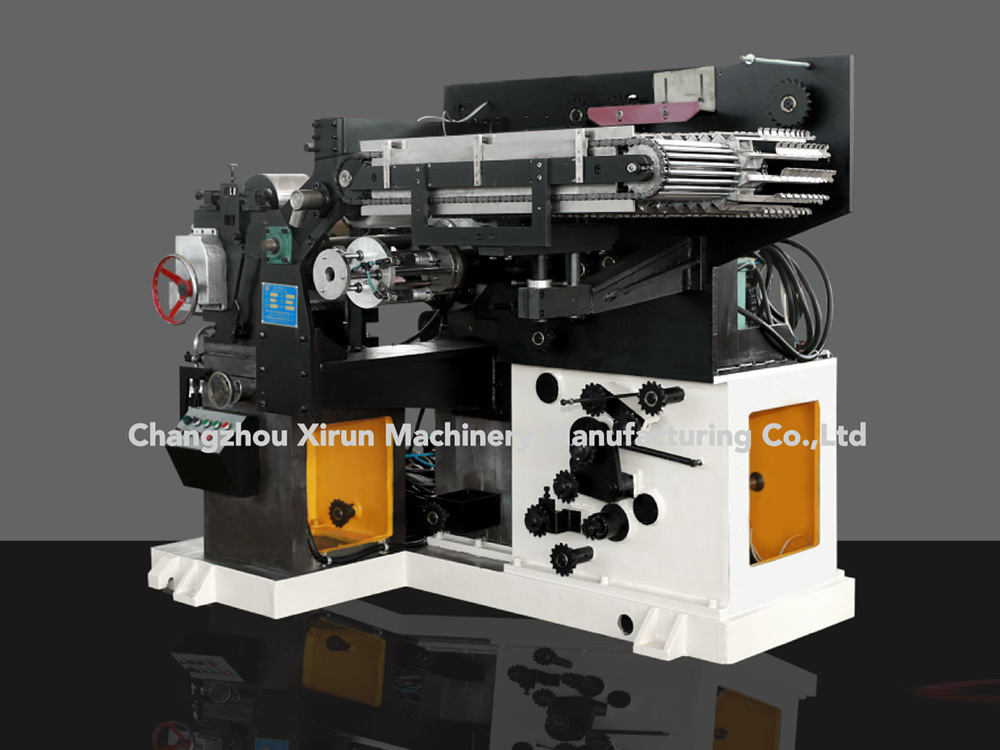
multi-color printing machine
Latest Blog


Leave A Message
You can leave comments and suggestions to us here, and we will reply in time
Phone: +86-13671610042
Add: No. 18, Hengli Road, Xueyan Town, Wujin District, Changzhou City, Jiangsu Province

Whatsapp QR