


Understanding Aluminum Container Necking Machines: A Comprehensive Guide
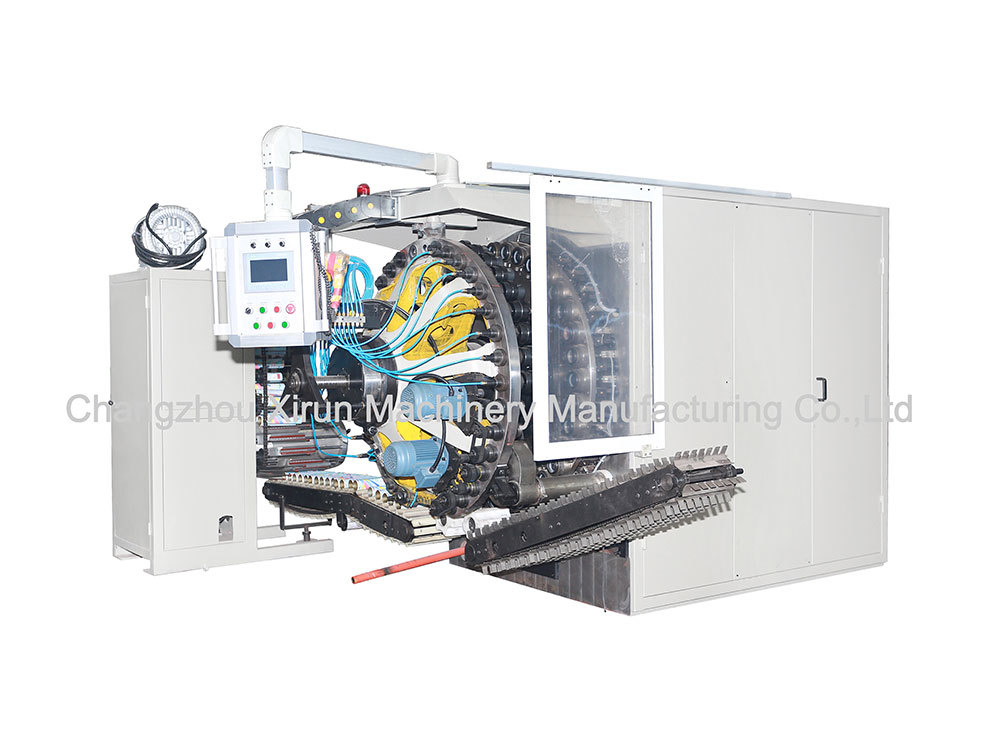
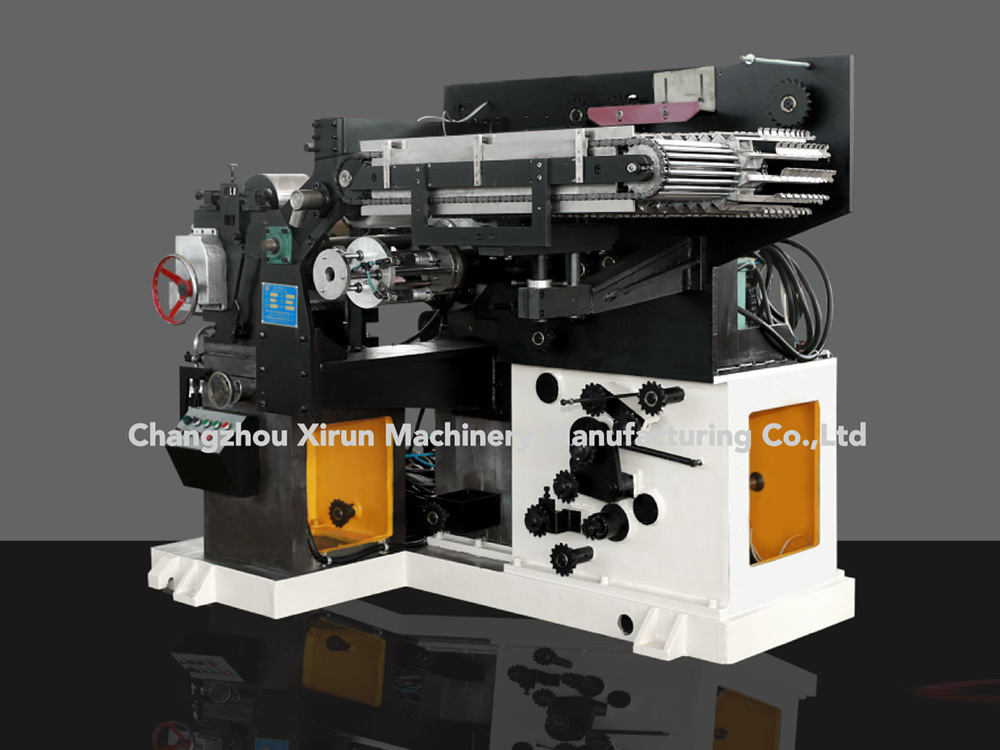
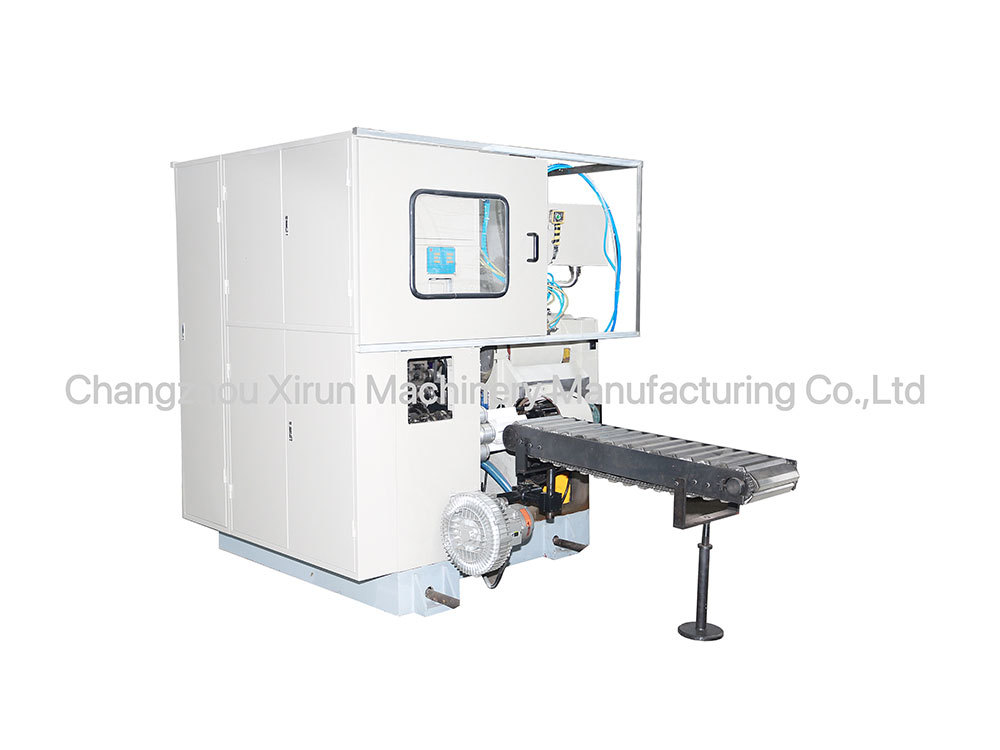
Aluminum container necking machines are specialized pieces of equipment designed to modify the neck or opening of aluminum containers, which are commonly used in various packaging applications. The necking process involves reducing the diameter of the container's neck while maintaining its structural integrity, allowing for better fitting of closures and enhancing the overall aesthetic appeal of t
Release time:
2026-04-12
Aluminum container necking machines are specialized pieces of equipment designed to modify the neck or opening of aluminum containers, which are commonly used in various packaging applications. The necking process involves reducing the diameter of the container's neck while maintaining its structural integrity, allowing for better fitting of closures and enhancing the overall aesthetic appeal of the product.
These machines play a critical role in the packaging industry, particularly in sectors that require high-quality finishes and precise dimensions. The necking process is essential for ensuring that aluminum containers are compatible with standard lids, which is crucial for product safety and preservation. Furthermore, a well-executed necking process contributes to the customer's perception of quality, making it an important step in the manufacturing of aluminum packaging.
When selecting an aluminum container necking machine, several technical factors must be considered. Firstly, the machine's capacity and speed are vital for meeting production demands while maintaining efficiency. High-speed operations can significantly reduce cycle times, thus increasing overall output. Additionally, the machine should be capable of handling various container sizes and shapes, allowing manufacturers to adapt to different product requirements without investing in multiple pieces of equipment.
Another essential aspect is the machine's accuracy in achieving the desired neck dimensions. Precise control over the necking process minimizes material waste and ensures consistent product quality. Features such as digital monitoring systems and automated adjustments can greatly enhance the machine's performance, allowing for quick calibration and reducing downtime during production changes.
Moreover, the durability and ease of maintenance of the necking machine are critical for long-term operational success. Machines constructed from high-quality materials often withstand the rigors of continuous use better than their counterparts, resulting in lower maintenance costs and fewer interruptions. Regular maintenance routines and access to technical support can further ensure that the machinery operates at peak efficiency.
In conclusion, aluminum container necking machines are indispensable tools in the manufacturing of aluminum packaging. By understanding their functionalities, production capabilities, and maintenance considerations, manufacturers can optimize their processes, improve product quality, and enhance overall operational efficiency. Investing in the right necking machine not only contributes to the immediate outcomes of production but also plays a significant role in the long-term success of packaging operations.
These machines play a critical role in the packaging industry, particularly in sectors that require high-quality finishes and precise dimensions. The necking process is essential for ensuring that aluminum containers are compatible with standard lids, which is crucial for product safety and preservation. Furthermore, a well-executed necking process contributes to the customer's perception of quality, making it an important step in the manufacturing of aluminum packaging.
When selecting an aluminum container necking machine, several technical factors must be considered. Firstly, the machine's capacity and speed are vital for meeting production demands while maintaining efficiency. High-speed operations can significantly reduce cycle times, thus increasing overall output. Additionally, the machine should be capable of handling various container sizes and shapes, allowing manufacturers to adapt to different product requirements without investing in multiple pieces of equipment.
Another essential aspect is the machine's accuracy in achieving the desired neck dimensions. Precise control over the necking process minimizes material waste and ensures consistent product quality. Features such as digital monitoring systems and automated adjustments can greatly enhance the machine's performance, allowing for quick calibration and reducing downtime during production changes.
Moreover, the durability and ease of maintenance of the necking machine are critical for long-term operational success. Machines constructed from high-quality materials often withstand the rigors of continuous use better than their counterparts, resulting in lower maintenance costs and fewer interruptions. Regular maintenance routines and access to technical support can further ensure that the machinery operates at peak efficiency.
In conclusion, aluminum container necking machines are indispensable tools in the manufacturing of aluminum packaging. By understanding their functionalities, production capabilities, and maintenance considerations, manufacturers can optimize their processes, improve product quality, and enhance overall operational efficiency. Investing in the right necking machine not only contributes to the immediate outcomes of production but also plays a significant role in the long-term success of packaging operations.
aluminum container necking machine
Latest Blog
Leave A Message
You can leave comments and suggestions to us here, and we will reply in time
Phone: +86-13671610042
Add: No. 18, Hengli Road, Xueyan Town, Wujin District, Changzhou City, Jiangsu Province

Whatsapp QR