


Unlocking the Potential of Internal Lacquering Machines in Metal Packaging
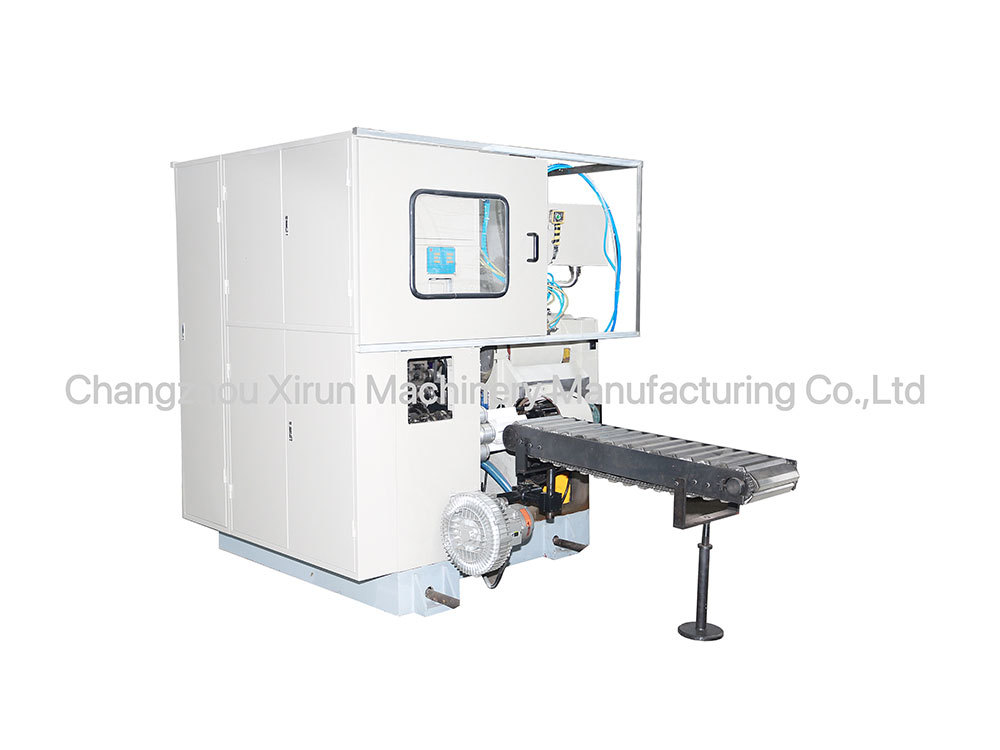
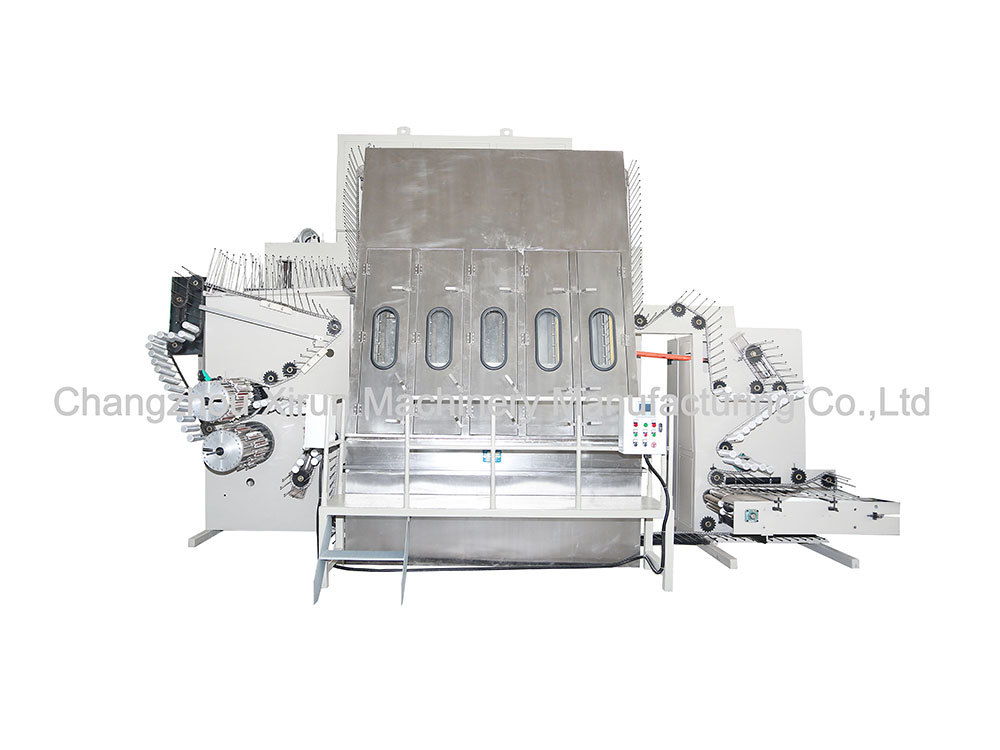
Internal lacquering machines play a crucial role in the aluminum and aluminum alloy packaging industry, particularly in the manufacture of metal packaging materials. These machines are designed to apply a protective layer of lacquer to the interior surfaces of metal containers, which is essential for maintaining the quality and safety of the products contained within. The process not only improves
Release time:
2026-04-24
Internal lacquering machines play a crucial role in the aluminum and aluminum alloy packaging industry, particularly in the manufacture of metal packaging materials. These machines are designed to apply a protective layer of lacquer to the interior surfaces of metal containers, which is essential for maintaining the quality and safety of the products contained within. The process not only improves the aesthetics of the packaging but also ensures that the contents are preserved from contamination and oxidation.
One of the primary functions of internal lacquering machines is to provide a barrier between the metal and its contents. This barrier is crucial for food and beverage packaging, where the interaction between the product and the metal can lead to undesirable chemical reactions, affecting the flavor and quality. By applying a consistent and durable lacquer layer, internal lacquering machines help prevent such interactions, thereby extending the shelf life of the products and maintaining their integrity.
Moreover, these machines enhance the overall durability of the packaging. The lacquer applied is designed to withstand various environmental factors, including moisture, heat, and light. This resilience is particularly important for products that may be stored in less-than-ideal conditions, ensuring that they remain safe for consumption and use. Internal lacquering also helps in reducing the risk of corrosion, which can compromise the structural integrity of the packaging over time.
In addition to their protective benefits, internal lacquering machines also contribute to sustainability efforts within the packaging industry. By enhancing the longevity of metal containers, these machines support a reduction in waste, as products can be stored for longer periods without degradation. Furthermore, many modern lacquering processes focus on using eco-friendly materials that minimize environmental impact, aligning with global sustainability goals.
The technology behind internal lacquering machines has evolved significantly. Today’s machines are equipped with advanced automation and control systems, allowing for high precision and efficiency in the lacquering process. This technological advancement not only improves the quality of the lacquer application but also boosts productivity, enabling manufacturers to meet increasing demand without sacrificing quality.
In conclusion, internal lacquering machines are indispensable assets in the aluminum and aluminum alloy packaging industry. They not only provide essential protective barriers that safeguard product integrity but also contribute to the durability and sustainability of metal packaging solutions. As the demand for high-quality packaging continues to rise, investing in advanced internal lacquering technology will play a pivotal role in ensuring that manufacturers can meet consumer expectations while adhering to industry standards.
One of the primary functions of internal lacquering machines is to provide a barrier between the metal and its contents. This barrier is crucial for food and beverage packaging, where the interaction between the product and the metal can lead to undesirable chemical reactions, affecting the flavor and quality. By applying a consistent and durable lacquer layer, internal lacquering machines help prevent such interactions, thereby extending the shelf life of the products and maintaining their integrity.
Moreover, these machines enhance the overall durability of the packaging. The lacquer applied is designed to withstand various environmental factors, including moisture, heat, and light. This resilience is particularly important for products that may be stored in less-than-ideal conditions, ensuring that they remain safe for consumption and use. Internal lacquering also helps in reducing the risk of corrosion, which can compromise the structural integrity of the packaging over time.
In addition to their protective benefits, internal lacquering machines also contribute to sustainability efforts within the packaging industry. By enhancing the longevity of metal containers, these machines support a reduction in waste, as products can be stored for longer periods without degradation. Furthermore, many modern lacquering processes focus on using eco-friendly materials that minimize environmental impact, aligning with global sustainability goals.
The technology behind internal lacquering machines has evolved significantly. Today’s machines are equipped with advanced automation and control systems, allowing for high precision and efficiency in the lacquering process. This technological advancement not only improves the quality of the lacquer application but also boosts productivity, enabling manufacturers to meet increasing demand without sacrificing quality.
In conclusion, internal lacquering machines are indispensable assets in the aluminum and aluminum alloy packaging industry. They not only provide essential protective barriers that safeguard product integrity but also contribute to the durability and sustainability of metal packaging solutions. As the demand for high-quality packaging continues to rise, investing in advanced internal lacquering technology will play a pivotal role in ensuring that manufacturers can meet consumer expectations while adhering to industry standards.
internal lacquering machine
Latest Blog

Leave A Message
You can leave comments and suggestions to us here, and we will reply in time
Phone: +86-13671610042
Add: No. 18, Hengli Road, Xueyan Town, Wujin District, Changzhou City, Jiangsu Province

Whatsapp QR