


Exploring the Benefits and Functionality of Internal Lacquering Machines in Metal Packaging
In the realm of metal packaging, particularly with aluminum and aluminum alloys, internal lacquering machines play a pivotal role in enhancing product quality and durability. These machines are designed to apply a protective lacquer coating to the interior surfaces of aluminum containers, such as cans and bottles, effectively safeguarding the contents from contamination and corrosion. This process
Release time:
2026-07-23
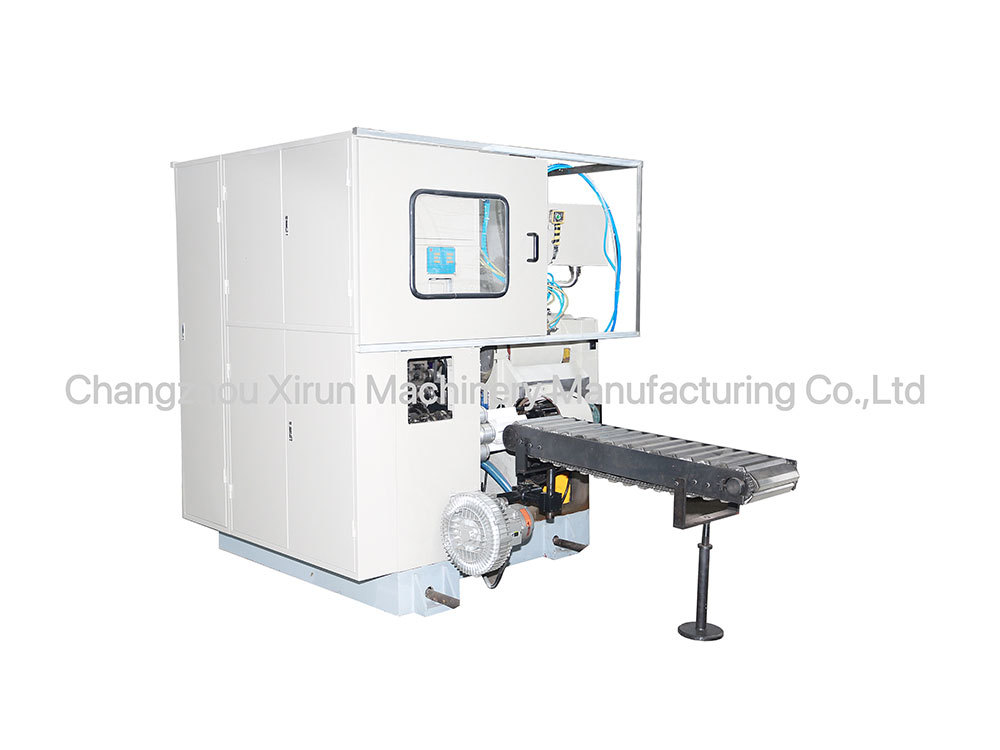
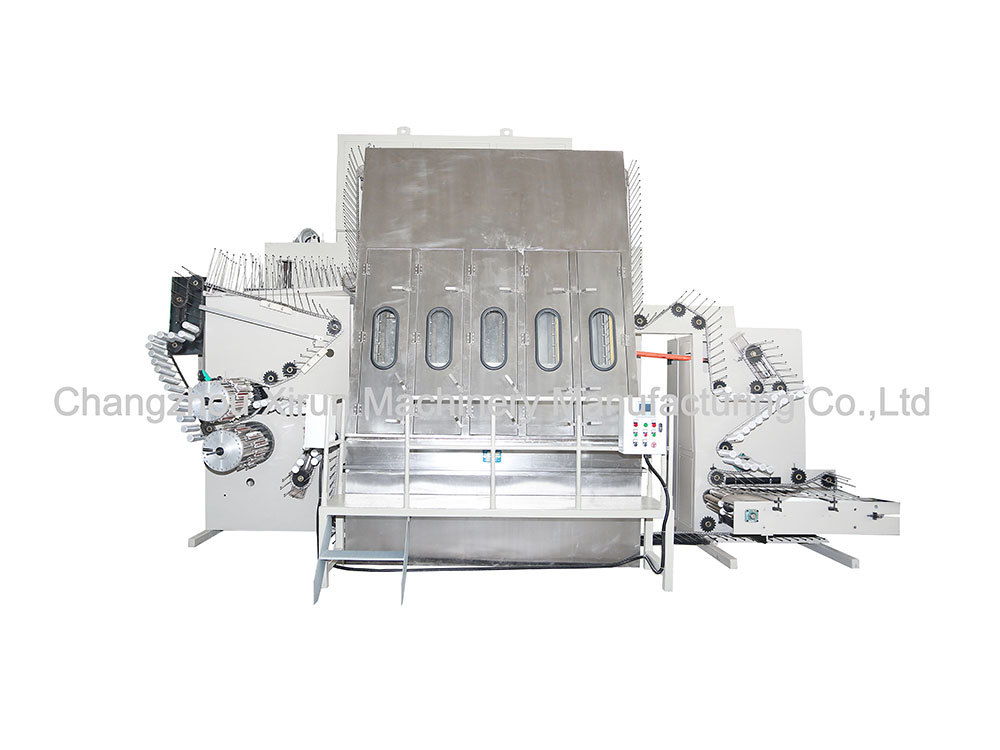
In the realm of metal packaging, particularly with aluminum and aluminum alloys, internal lacquering machines play a pivotal role in enhancing product quality and durability. These machines are designed to apply a protective lacquer coating to the interior surfaces of aluminum containers, such as cans and bottles, effectively safeguarding the contents from contamination and corrosion. This process is particularly critical for industries that require stringent hygiene standards, such as food and beverage packaging.
The primary function of an internal lacquering machine is to ensure that the lacquer is evenly applied to the interior surfaces of the packaging material. This uniform application is essential because it creates a barrier that prevents chemical reactions between the metal and the contents, thus preserving the flavor, aroma, and overall quality of the product. Additionally, the lacquer coating enhances the resistance of aluminum to moisture and acidic substances, significantly extending the shelf life of the packaged goods.
In recent years, technological advancements have led to the development of more efficient and precise internal lacquering machines. Many of these modern machines utilize advanced spraying techniques that minimize overspray and reduce lacquer waste, making the process more environmentally friendly and cost-effective. Moreover, some machines are equipped with automated systems that monitor and control the application process, ensuring consistent quality and reducing the risk of human error.
Furthermore, the versatility of internal lacquering machines cannot be overstated. They can be adapted to handle various container shapes and sizes, making them suitable for a wide range of applications within the packaging industry. Whether for beverages, food products, or cosmetics, these machines can cater to diverse operational needs, thereby enhancing production flexibility.
Another significant benefit of internal lacquering machines is their ability to comply with regulatory requirements concerning packaging safety. With the growing emphasis on sustainability and consumer safety, manufacturers must ensure that their packaging solutions meet industry standards. Internal lacquering machines help achieve this by providing a reliable method for creating safe, compliant packaging that protects both the product and consumer health.
In conclusion, internal lacquering machines represent a vital component of the metal packaging supply chain, particularly in the aluminum sector. By ensuring effective lacquer application, enhancing product longevity, and complying with safety standards, these machines contribute to the overall efficiency and reliability of packaging processes. As the industry continues to evolve, investing in high-quality internal lacquering technology can lead to significant improvements in product quality and market competitiveness.
The primary function of an internal lacquering machine is to ensure that the lacquer is evenly applied to the interior surfaces of the packaging material. This uniform application is essential because it creates a barrier that prevents chemical reactions between the metal and the contents, thus preserving the flavor, aroma, and overall quality of the product. Additionally, the lacquer coating enhances the resistance of aluminum to moisture and acidic substances, significantly extending the shelf life of the packaged goods.
In recent years, technological advancements have led to the development of more efficient and precise internal lacquering machines. Many of these modern machines utilize advanced spraying techniques that minimize overspray and reduce lacquer waste, making the process more environmentally friendly and cost-effective. Moreover, some machines are equipped with automated systems that monitor and control the application process, ensuring consistent quality and reducing the risk of human error.
Furthermore, the versatility of internal lacquering machines cannot be overstated. They can be adapted to handle various container shapes and sizes, making them suitable for a wide range of applications within the packaging industry. Whether for beverages, food products, or cosmetics, these machines can cater to diverse operational needs, thereby enhancing production flexibility.
Another significant benefit of internal lacquering machines is their ability to comply with regulatory requirements concerning packaging safety. With the growing emphasis on sustainability and consumer safety, manufacturers must ensure that their packaging solutions meet industry standards. Internal lacquering machines help achieve this by providing a reliable method for creating safe, compliant packaging that protects both the product and consumer health.
In conclusion, internal lacquering machines represent a vital component of the metal packaging supply chain, particularly in the aluminum sector. By ensuring effective lacquer application, enhancing product longevity, and complying with safety standards, these machines contribute to the overall efficiency and reliability of packaging processes. As the industry continues to evolve, investing in high-quality internal lacquering technology can lead to significant improvements in product quality and market competitiveness.
internal lacquering machine
Latest Blog

Leave A Message
You can leave comments and suggestions to us here, and we will reply in time
Phone: +86-13671610042
Add: No. 18, Hengli Road, Xueyan Town, Wujin District, Changzhou City, Jiangsu Province

Whatsapp QR