


Understanding Trimming Machines in Metal Packaging: Key Insights for Professionals
In the packaging and printing industry, particularly concerning metal packaging materials such as aluminum and aluminum alloys, trimming machines play a vital role in ensuring that products meet the necessary specifications and quality standards. These machines are designed to cut, shape, and refine metal sheets, making them an indispensable tool in the production process. Trimming machines operat
Release time:
2026-05-24
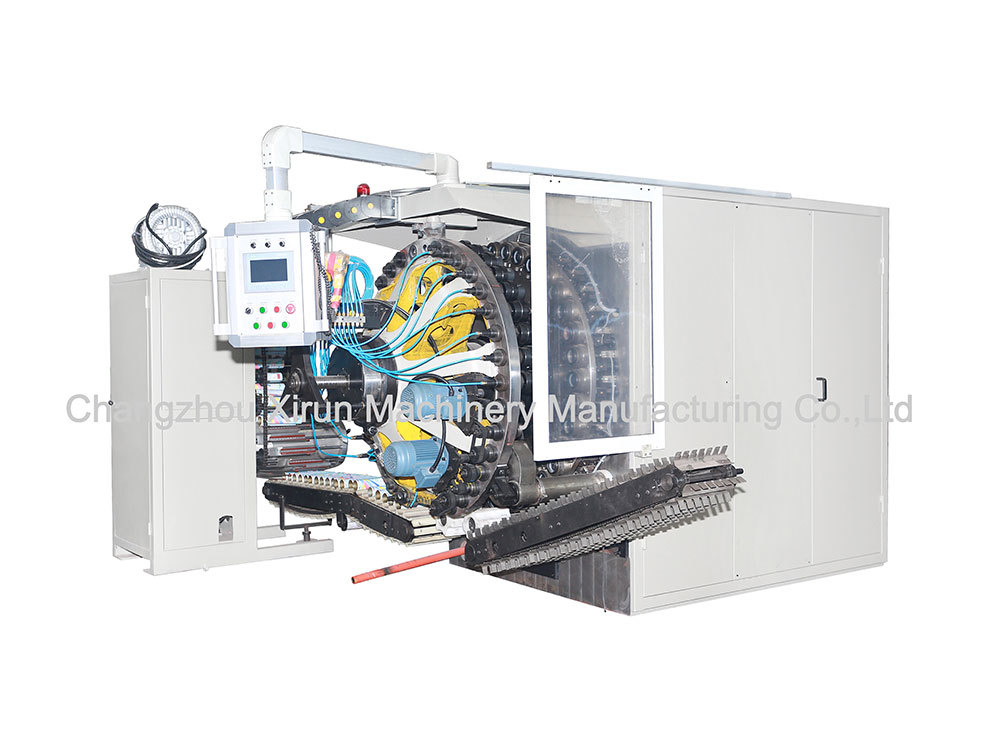
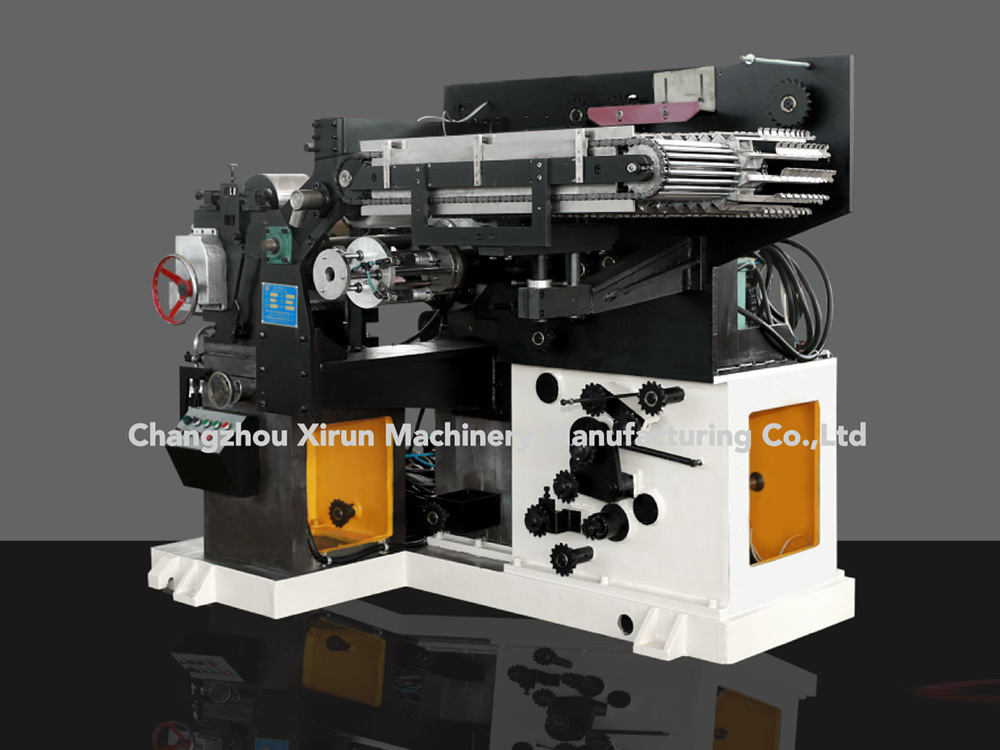
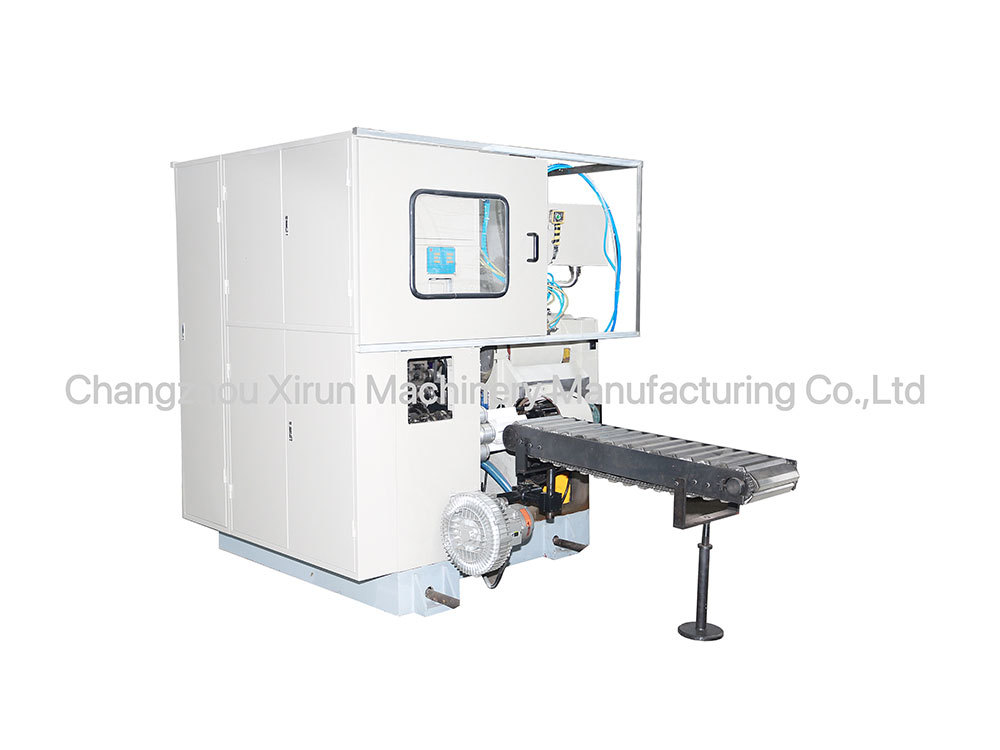
In the packaging and printing industry, particularly concerning metal packaging materials such as aluminum and aluminum alloys, trimming machines play a vital role in ensuring that products meet the necessary specifications and quality standards. These machines are designed to cut, shape, and refine metal sheets, making them an indispensable tool in the production process.
Trimming machines operate through various mechanisms, including mechanical blades and laser cutting systems, each offering distinct advantages. Mechanical trimming machines are often favored for their reliability and speed, making them suitable for high-volume production environments. They can efficiently handle the cutting of aluminum sheets to the desired dimensions, ensuring uniformity and precision. On the other hand, laser trimming machines provide advanced accuracy and flexibility, allowing for intricate designs that mechanical systems may struggle to achieve. This technology is particularly beneficial for producing specialized packaging solutions where design complexity is paramount.
One of the primary benefits of using trimming machines in metal packaging is the enhancement of material efficiency. By accurately trimming sheets to the required size, manufacturers can significantly reduce waste, thus optimizing resource usage and lowering production costs. Additionally, the precision afforded by these machines ensures that the final products meet stringent quality control standards, which is crucial in industries where packaging integrity directly influences product safety and marketability.
Moreover, the adaptability of trimming machines means they can be tailored to accommodate a wide range of metal packaging projects. Whether for food and beverage containers or industrial applications, these machines can be adjusted to produce various shapes and sizes, ensuring versatility in production lines. This adaptability also extends to the types of aluminum and aluminum alloys processed, allowing manufacturers to handle multiple material grades effectively.
When selecting a trimming machine, professionals should consider several factors, including the machine's speed, accuracy, and compatibility with existing production lines. It is also important to assess the machine's ease of use, maintenance requirements, and the level of technical support available. Investing in high-quality trimming machines can lead to long-term savings and a competitive edge in the rapidly evolving packaging sector.
In conclusion, trimming machines are essential to the metal packaging industry, particularly for aluminum and aluminum alloy materials. Their capabilities not only enhance efficiency and precision but also contribute to sustainable practices by minimizing waste. As the industry continues to grow, understanding the role and functionalities of trimming machines will empower professionals to make informed decisions that enhance their packaging operations.
Trimming machines operate through various mechanisms, including mechanical blades and laser cutting systems, each offering distinct advantages. Mechanical trimming machines are often favored for their reliability and speed, making them suitable for high-volume production environments. They can efficiently handle the cutting of aluminum sheets to the desired dimensions, ensuring uniformity and precision. On the other hand, laser trimming machines provide advanced accuracy and flexibility, allowing for intricate designs that mechanical systems may struggle to achieve. This technology is particularly beneficial for producing specialized packaging solutions where design complexity is paramount.
One of the primary benefits of using trimming machines in metal packaging is the enhancement of material efficiency. By accurately trimming sheets to the required size, manufacturers can significantly reduce waste, thus optimizing resource usage and lowering production costs. Additionally, the precision afforded by these machines ensures that the final products meet stringent quality control standards, which is crucial in industries where packaging integrity directly influences product safety and marketability.
Moreover, the adaptability of trimming machines means they can be tailored to accommodate a wide range of metal packaging projects. Whether for food and beverage containers or industrial applications, these machines can be adjusted to produce various shapes and sizes, ensuring versatility in production lines. This adaptability also extends to the types of aluminum and aluminum alloys processed, allowing manufacturers to handle multiple material grades effectively.
When selecting a trimming machine, professionals should consider several factors, including the machine's speed, accuracy, and compatibility with existing production lines. It is also important to assess the machine's ease of use, maintenance requirements, and the level of technical support available. Investing in high-quality trimming machines can lead to long-term savings and a competitive edge in the rapidly evolving packaging sector.
In conclusion, trimming machines are essential to the metal packaging industry, particularly for aluminum and aluminum alloy materials. Their capabilities not only enhance efficiency and precision but also contribute to sustainable practices by minimizing waste. As the industry continues to grow, understanding the role and functionalities of trimming machines will empower professionals to make informed decisions that enhance their packaging operations.
trimming machine
Latest Blog
Leave A Message
You can leave comments and suggestions to us here, and we will reply in time
Phone: +86-13671610042
Add: No. 18, Hengli Road, Xueyan Town, Wujin District, Changzhou City, Jiangsu Province

Whatsapp QR