


How to Optimize Your Aluminum Extrusion Process for Better Results
How to Optimize Your Aluminum Extrusion Process for Better Results Table of Contents 1. Introduction to Aluminum Extrusion Optimization 2. Understanding the Aluminum Extrusion Process 3. Key Factors Influencing Aluminum Extrusion Quality 4. Proven Techniques for Optimizing the Extrusion Process 5. Selecting the Right Equipment for Optimal Results 6. Quality Control Measure
Release time:
2026-05-21
How to Optimize Your Aluminum Extrusion Process for Better Results
Table of Contents
- 1. Introduction to Aluminum Extrusion Optimization
- 2. Understanding the Aluminum Extrusion Process
- 3. Key Factors Influencing Aluminum Extrusion Quality
- 4. Proven Techniques for Optimizing the Extrusion Process
- 5. Selecting the Right Equipment for Optimal Results
- 6. Quality Control Measures in Aluminum Extrusion
- 7. Sustainable Practices in Aluminum Extrusion
- 8. Future Trends in Aluminum Extrusion Technology
- 9. Frequently Asked Questions
- 10. Conclusion
1. Introduction to Aluminum Extrusion Optimization
In the competitive realm of packaging and printing, specifically with aluminum materials, optimizing the aluminum extrusion process is critical for achieving superior results. By focusing on efficiency, quality, and sustainability, manufacturers can significantly enhance their production capabilities. In this article, we will delve into effective strategies to optimize your aluminum extrusion process, providing valuable insights to ensure your operations yield the best possible outcomes.
2. Understanding the Aluminum Extrusion Process
Aluminum extrusion is a manufacturing process that involves shaping aluminum alloy materials by forcing them through a die. This process results in various profiles that can be utilized across several industries. Understanding the intricacies of this method is essential for optimization.
The Basics of Aluminum Extrusion
The aluminum is heated until it reaches a malleable state, after which it is pushed through a specific die shape. The resulting extrusions can vary in complexity, with applications found in automotive, architectural, and packaging venues. The quality of the extrusion is influenced by numerous factors including temperature, pressure, and material properties.
Types of Aluminum Alloys Used
Different aluminum alloys can be used depending on the desired properties of the final product. Common alloys include series 1000 (pure aluminum) for high corrosion resistance, series 3000 (aluminum-manganese) for moderate strength, and series 6000 (aluminum-magnesium-silicon) for enhanced strength and corrosion resistance.
3. Key Factors Influencing Aluminum Extrusion Quality
To enhance the extrusion process, recognizing the factors that critically impact quality is essential.
Material Quality
The selection of high-quality raw materials directly influences the end-product's strength and durability. Regularly inspecting and testing incoming aluminum billets ensures optimal performance.
Temperature Control
Temperature stability is vital throughout the extrusion process. Insufficient heating can lead to defects, while excessive temperatures may cause unnecessary oxidation or other deformation.
Die Design and Maintenance
A well-designed die is crucial for producing accurate profiles. Regular maintenance of dies can prevent wear and tear, ensuring consistent quality over time.
4. Proven Techniques for Optimizing the Extrusion Process
Implementing effective optimization techniques can drive significant improvements in production efficiency and product quality.
Data-Driven Decision Making
Utilizing data analytics to monitor extrusion parameters can help identify inefficiencies. Tracking metrics such as production speed, scrap rates, and energy consumption can provide insights for continuous improvement.
Automation and Control Systems
Integrating automated systems can streamline processes and reduce human error. Advanced control systems can help manage temperature, pressure, and speed in real-time, leading to enhanced consistency and quality.
Employee Training and Engagement
Investing in workforce training ensures that employees are well-versed in best practices and new technologies. Engaged workers are more likely to identify issues early, leading to fewer defects and improved productivity.
5. Selecting the Right Equipment for Optimal Results
Choosing the right machinery is critical in the aluminum extrusion process.
Extrusion Press Types
Different extrusion presses (such as direct and indirect) serve various applications. Assessing the specific needs of your production line will help determine the most suitable type.
Supporting Equipment
Investing in high-quality supporting equipment such as cooling systems, handling systems, and cutting machines can further improve efficiency and product quality.
6. Quality Control Measures in Aluminum Extrusion
Quality control is essential for minimizing defects and ensuring customer satisfaction.
In-Process Inspections
Implementing inspections during different stages of production allows for immediate problem detection, reducing scrap rates and enhancing overall quality.
Final Product Testing
Conducting comprehensive tests on the final product, such as tensile and corrosion tests, ensures that the extrusions meet industry standards and customer specifications.
7. Sustainable Practices in Aluminum Extrusion
Sustainability is increasingly becoming a focus in manufacturing.
Recycling Aluminum Scrap
Recycling scrap aluminum not only reduces waste but also lowers production costs. Establishing a robust scrap recycling program can significantly contribute to sustainability goals.
Energy Efficiency Initiatives
Adopting energy-efficient machinery and practices can reduce energy consumption and associated costs. Exploring renewable energy sources also aligns with global sustainability trends.
8. Future Trends in Aluminum Extrusion Technology
The aluminum extrusion industry is evolving with advancements in technology.
3D Printing and Additive Manufacturing
Emerging technologies such as 3D printing are beginning to play a role in aluminum fabrication. This innovation allows for more complex geometries and reduced material waste.
Digital Transformation
The adoption of Industry 4.0 practices, including IoT and AI, is reshaping aluminum extrusion processes. Smart factories that utilize interconnected devices can lead to unprecedented levels of efficiency and data utilization.
9. Frequently Asked Questions
What is aluminum extrusion?
Aluminum extrusion is a manufacturing process that involves shaping aluminum by forcing it through a die to create specific profiles.
How can I improve the quality of my aluminum extrusions?
To improve quality, focus on using high-quality materials, optimizing temperatures, maintaining your dies, and implementing strict quality control measures.
What equipment is necessary for aluminum extrusion?
Essential equipment includes extrusion presses, cooling systems, handling systems, and cutting machines.
What are the benefits of recycling aluminum scrap?
Recycling aluminum scrap reduces waste, lowers production costs, and contributes to environmental sustainability.
Are there new technologies impacting aluminum extrusion?
Yes, advancements such as 3D printing, IoT, and AI are transforming the industry, leading to more efficient and innovative manufacturing processes.
10. Conclusion
Optimizing your aluminum extrusion process is not only essential for improving efficiency and product quality but is also a vital step toward sustainable manufacturing practices. By understanding the intricacies of the extrusion process, implementing effective optimization techniques, and preparing for future trends, manufacturers can achieve superior results. Investing time and resources into these strategies will undoubtedly yield a competitive edge in the aluminum packaging and printing industry. Take action today and start optimizing your processes for better results!
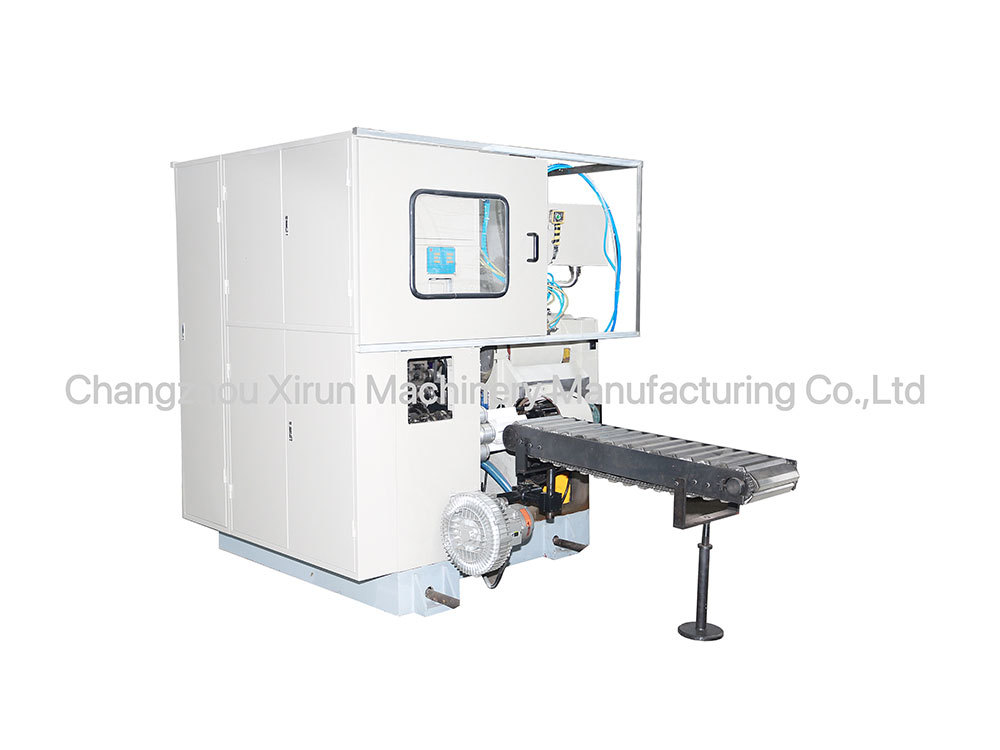
aluminum extrusion press machine
Latest Blog
Leave A Message
You can leave comments and suggestions to us here, and we will reply in time
Phone: +86-13671610042
Add: No. 18, Hengli Road, Xueyan Town, Wujin District, Changzhou City, Jiangsu Province

Whatsapp QR