


Understanding Internal Lacquering Machines in Metal Packaging
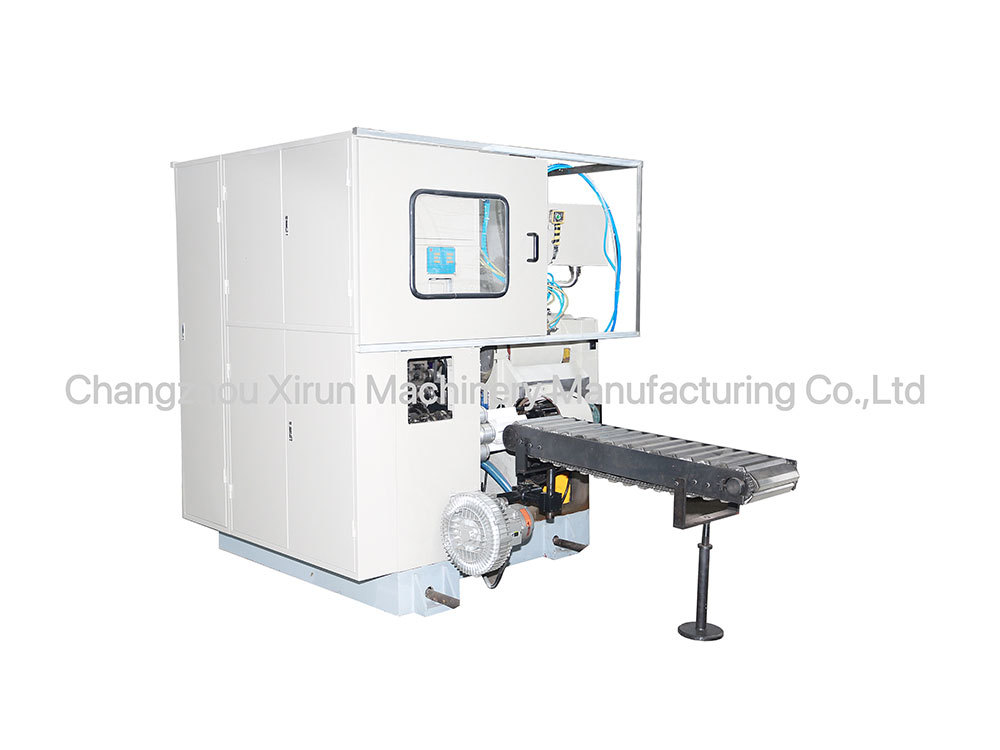
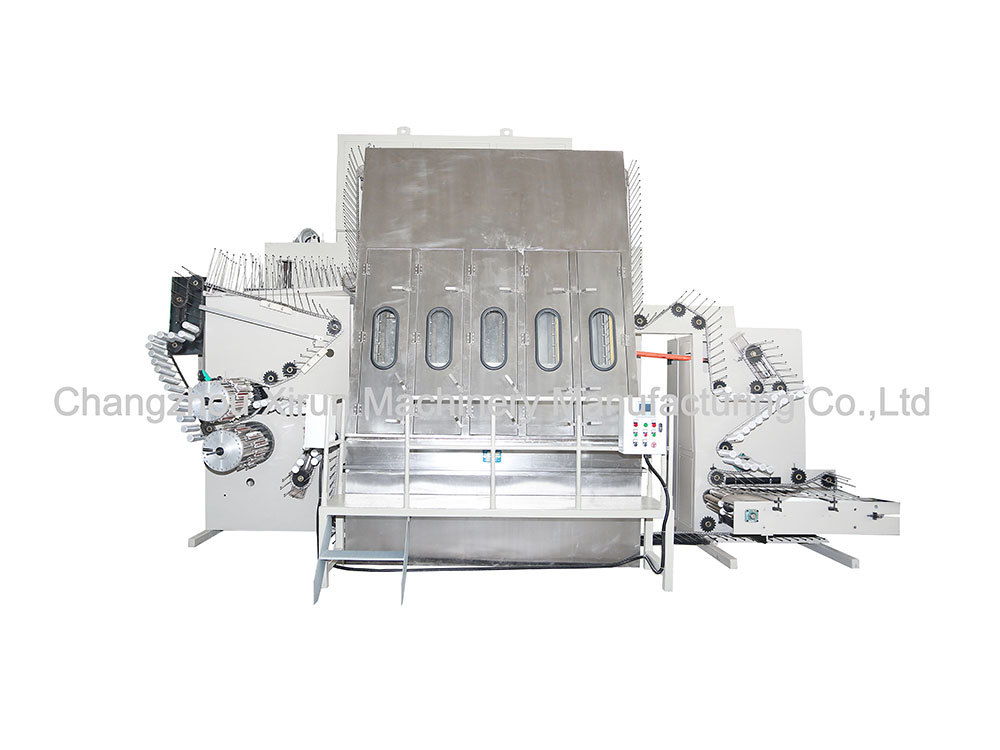
In the realm of packaging and printing supplies, particularly concerning metal packaging materials like aluminum and aluminum alloys, internal lacquering machines play a crucial role. These machines are designed to apply protective coatings to the internal surfaces of metal containers, enhancing their durability and resistance to corrosion. This process is vital for maintaining the integrity of pa
Release time:
2026-05-30
The internal lacquering process involves the application of a layer of lacquer that serves multiple purposes. Firstly, it acts as a barrier between the metal and the contents, preventing chemical reactions that could compromise product quality. For instance, food and beverage containers benefit significantly from internal lacquering as it helps preserve flavors and prevent metallic tastes.
Moreover, internal lacquering machines contribute to sustainability efforts within the packaging industry. By protecting the metal surfaces, these machines enhance the recyclability of aluminum containers. The use of aluminum is already favored due to its lightweight and recyclable nature, and internal lacquer coatings can further increase lifespan, reducing waste in the long run. This aligns with the growing demand for environmentally friendly packaging solutions and meets regulatory requirements for food safety.
The technology behind internal lacquering has evolved, incorporating advanced automation and precision engineering that allows for consistent coating applications. Modern machines can handle various lacquer types, including water-based and solvent-based options, catering to diverse customer needs. Additionally, the ability to adjust parameters such as coating thickness and curing times ensures that manufacturers can achieve optimal results tailored to specific products.
Efficiency is another critical aspect of internal lacquering machines. The automation of these processes minimizes human error and accelerates production rates, allowing manufacturers to meet high demand without compromising quality. These machines are also designed for easy maintenance, reducing downtime and enhancing productivity.
In conclusion, internal lacquering machines serve as a vital component in the metal packaging industry, particularly for aluminum and aluminum alloys. Their role in enhancing product protection, supporting sustainability, and improving operational efficiency cannot be overstated. As the industry continues to evolve, understanding these machines’ functionalities will be essential for professionals looking to optimize their packaging solutions. Embracing these technologies can lead to better product outcomes, increased customer satisfaction, and a more sustainable future for packaging.
internal lacquering machine
Previous Page
Previous Page
Latest Blog

Leave A Message
You can leave comments and suggestions to us here, and we will reply in time
Phone: +86-13671610042
Add: No. 18, Hengli Road, Xueyan Town, Wujin District, Changzhou City, Jiangsu Province

Whatsapp QR