


Mastering the Art of Trimming Machines in Metal Packaging: A Key to Precision and Efficiency
In the packaging and printing industry, especially when working with metal packaging materials like aluminum and aluminum alloys, trimming machines are essential equipment. These machines are designed to cut, shape, and finish materials with precision, enabling manufacturers to produce high-quality products that meet market demands. Trimming machines ensure that the edges of aluminum sheets or oth
Release time:
2026-06-11
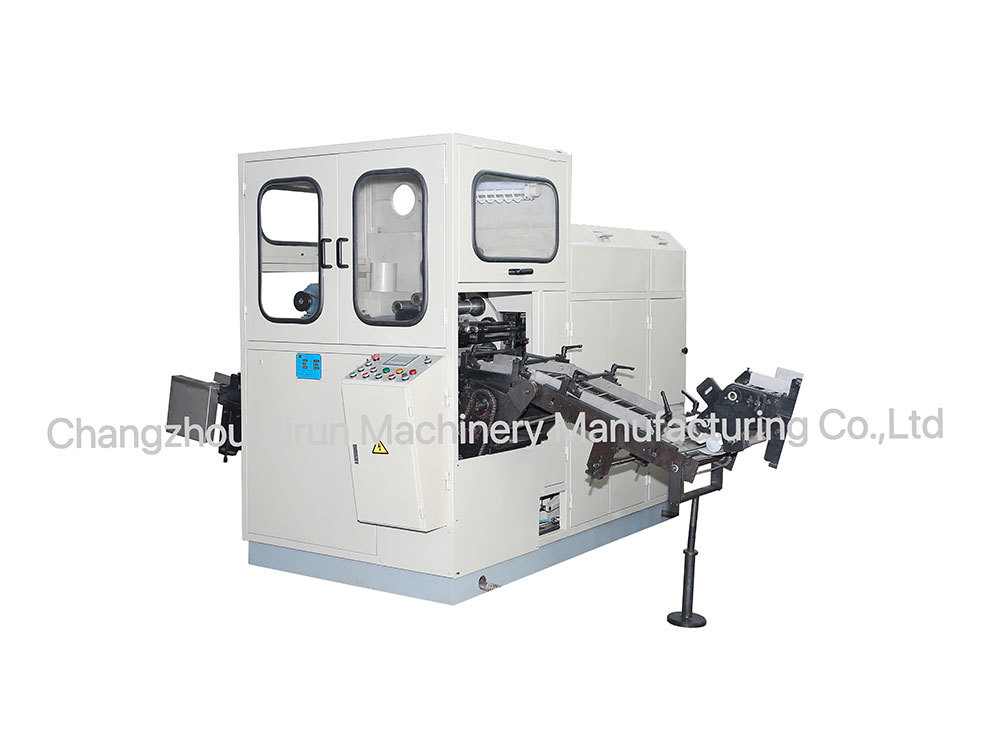
In the packaging and printing industry, especially when working with metal packaging materials like aluminum and aluminum alloys, trimming machines are essential equipment. These machines are designed to cut, shape, and finish materials with precision, enabling manufacturers to produce high-quality products that meet market demands.
Trimming machines ensure that the edges of aluminum sheets or other metal materials are cut accurately, minimizing the risk of sharp edges and ensuring safety during handling and production. This precision is vital, as aluminum packaging often undergoes further processing, such as printing or coating. The ability to achieve clean cuts without burrs or rough edges not only enhances the aesthetic appeal of the final product but also improves its functionality.
One of the key benefits of using trimming machines is their capability to significantly increase production efficiency. In a fast-paced production environment, manual trimming can lead to inconsistencies and slower throughput. Trimming machines automate this process, allowing for rapid and consistent cutting, which ultimately reduces labor costs and increases output. This is particularly beneficial when dealing with large volumes of aluminum or aluminum alloy materials, as it enables manufacturers to meet tight deadlines without compromising quality.
Moreover, advancements in trimming machine technology have introduced features such as programmable cutting settings and automated material handling. These innovations allow operators to customize the trimming process according to specific project requirements, ensuring that each batch of products meets stringent quality standards. The use of computer numerical control (CNC) systems in trimming machines also allows for complex designs to be executed with high levels of accuracy, which is crucial in the competitive packaging market.
Another important aspect to consider is the maintenance of trimming machines. Regular maintenance and calibration are necessary to keep these machines operating at peak performance. This not only extends the lifespan of the equipment but also ensures consistent quality in the trimming process. Manufacturers should develop a routine maintenance schedule, including cleaning, lubrication, and inspection of critical components, to prevent breakdowns and production delays.
In conclusion, trimming machines play a pivotal role in the packaging and printing industry, particularly for aluminum and aluminum alloy materials. Their ability to provide precision, enhance efficiency, and contribute to overall product quality makes them indispensable tools for manufacturers. By investing in reliable trimming machines and implementing best practices in maintenance and operation, businesses can ensure they remain competitive in this dynamic industry.
Trimming machines ensure that the edges of aluminum sheets or other metal materials are cut accurately, minimizing the risk of sharp edges and ensuring safety during handling and production. This precision is vital, as aluminum packaging often undergoes further processing, such as printing or coating. The ability to achieve clean cuts without burrs or rough edges not only enhances the aesthetic appeal of the final product but also improves its functionality.
One of the key benefits of using trimming machines is their capability to significantly increase production efficiency. In a fast-paced production environment, manual trimming can lead to inconsistencies and slower throughput. Trimming machines automate this process, allowing for rapid and consistent cutting, which ultimately reduces labor costs and increases output. This is particularly beneficial when dealing with large volumes of aluminum or aluminum alloy materials, as it enables manufacturers to meet tight deadlines without compromising quality.
Moreover, advancements in trimming machine technology have introduced features such as programmable cutting settings and automated material handling. These innovations allow operators to customize the trimming process according to specific project requirements, ensuring that each batch of products meets stringent quality standards. The use of computer numerical control (CNC) systems in trimming machines also allows for complex designs to be executed with high levels of accuracy, which is crucial in the competitive packaging market.
Another important aspect to consider is the maintenance of trimming machines. Regular maintenance and calibration are necessary to keep these machines operating at peak performance. This not only extends the lifespan of the equipment but also ensures consistent quality in the trimming process. Manufacturers should develop a routine maintenance schedule, including cleaning, lubrication, and inspection of critical components, to prevent breakdowns and production delays.
In conclusion, trimming machines play a pivotal role in the packaging and printing industry, particularly for aluminum and aluminum alloy materials. Their ability to provide precision, enhance efficiency, and contribute to overall product quality makes them indispensable tools for manufacturers. By investing in reliable trimming machines and implementing best practices in maintenance and operation, businesses can ensure they remain competitive in this dynamic industry.
trimming machine
Latest Blog
Leave A Message
You can leave comments and suggestions to us here, and we will reply in time
Phone: +86-13671610042
Add: No. 18, Hengli Road, Xueyan Town, Wujin District, Changzhou City, Jiangsu Province

Whatsapp QR