


Exploring the Environmental Benefits of Aluminum Extrusion: A Sustainable Approach to Packaging
Exploring the Environmental Benefits of Aluminum Extrusion Table of Contents 1. Introduction to Aluminum Extrusion 2. What is Aluminum Extrusion? 3. The Environmental Impact of Aluminum Extrusion 4. Sustainability and Recyclability of Aluminum 5. Energy Efficiency in Aluminum Production 6. Reduction in Carbon Footprint 7. Aluminum vs. Other Packaging Materials 8. C
Release time:
2026-06-08
Exploring the Environmental Benefits of Aluminum Extrusion
Table of Contents
- 1. Introduction to Aluminum Extrusion
- 2. What is Aluminum Extrusion?
- 3. The Environmental Impact of Aluminum Extrusion
- 4. Sustainability and Recyclability of Aluminum
- 5. Energy Efficiency in Aluminum Production
- 6. Reduction in Carbon Footprint
- 7. Aluminum vs. Other Packaging Materials
- 8. Case Studies: Successful Aluminum Extrusion Applications
- 9. Conclusion
- 10. FAQs
1. Introduction to Aluminum Extrusion
The packaging industry faces increasing pressure to adopt more sustainable practices. As consumers become more environmentally conscious, the demand for eco-friendly materials has surged. Aluminum extrusion stands out as a compelling solution, offering an array of environmental benefits. This article aims to explore these advantages and demonstrate why aluminum extrusion is a preferred choice for sustainable packaging.
2. What is Aluminum Extrusion?
Aluminum extrusion is a manufacturing process that involves shaping aluminum alloy by forcing it through a die. This process creates a variety of shapes and forms, which can be used in numerous applications, including packaging, construction, and consumer products. The versatility of aluminum extrusion allows for the creation of lightweight, strong, and corrosion-resistant products, making it ideal for sustainable packaging solutions.
The Process of Aluminum Extrusion
The extrusion process begins with heating aluminum billets to a specific temperature, making them malleable. The heated aluminum is then pushed through a die, forming it into a desired shape. Once extruded, the aluminum is cooled, cut, and can be further processed, such as anodizing or painting, to enhance its properties. This method not only optimizes material usage but also minimizes waste compared to traditional manufacturing processes.
3. The Environmental Impact of Aluminum Extrusion
The environmental impact of aluminum extrusion is overwhelmingly positive. From its lightweight nature to its long lifespan, aluminum has a reduced impact on the environment compared to many other materials. Here are some key environmental benefits:
Durability and Longevity
Aluminum is known for its durability, which extends the lifespan of products made from it. Durable materials reduce the frequency of replacements, thereby lowering resource consumption over time.
Lightweight Properties
The lightweight nature of aluminum means that products can be shipped more efficiently, reducing the carbon emissions associated with transportation. This attribute is particularly crucial in the packaging industry, where transporting materials can significantly impact the overall carbon footprint.
4. Sustainability and Recyclability of Aluminum
Aluminum is one of the most recycled materials globally. The recycling process for aluminum requires only 5% of the energy needed to produce new aluminum, making it an incredibly sustainable choice.
The Recycling Process
Recycling aluminum involves collecting scrap materials, melting them down, and reforming them into new products. This closed-loop system conserves energy and resources while significantly reducing waste. The fact that aluminum can be recycled indefinitely without losing its properties reinforces its status as an eco-friendly packaging material.
Reducing Landfill Waste
By choosing aluminum packaging, companies can play a pivotal role in reducing landfill waste. Many aluminum products can be recycled multiple times, diverting them from landfills and contributing to a circular economy.
5. Energy Efficiency in Aluminum Production
Energy consumption is a critical factor in assessing the environmental impact of any material. While the initial production of aluminum requires a substantial amount of energy, advancements in technology have improved the energy efficiency of aluminum extrusion.
Innovations in Production Technologies
Modern production techniques, such as using renewable energy sources and adopting energy-efficient machinery, have significantly lowered emissions associated with aluminum manufacturing. This transition not only benefits the environment but also reduces production costs over time.
6. Reduction in Carbon Footprint
The carbon footprint of any material is a vital consideration in today’s eco-conscious world. Aluminum’s lifecycle demonstrates a remarkable potential for carbon footprint reduction.
Lifecycle Assessment of Aluminum
A comprehensive lifecycle assessment (LCA) of aluminum reveals that its overall environmental impact is considerably lower than that of other packaging materials when considering production, transportation, usage, and end-of-life recycling.
Case Studies on Carbon Footprint Reduction
Several industries have successfully implemented aluminum packaging solutions to lower their carbon emissions. For instance, the beverage industry has shifted towards aluminum cans, reducing weight and improving recyclability compared to glass bottles.
7. Aluminum vs. Other Packaging Materials
When comparing aluminum to alternative packaging materials, its advantages become even more pronounced.
Aluminum vs. Plastic
Plastic packaging is notorious for its environmental impact, particularly regarding pollution and landfill waste. Aluminum, being infinitely recyclable, poses a more sustainable option. Additionally, aluminum protects contents from light, oxygen, and moisture, extending shelf life better than plastic.
Aluminum vs. Glass
While glass is also recyclable, it is heavier, leading to higher transportation emissions. Aluminum’s lightweight design, coupled with its recyclability, positions it as a superior choice in various packaging applications.
8. Case Studies: Successful Aluminum Extrusion Applications
Several companies have harnessed the benefits of aluminum extrusion to create sustainable packaging solutions.
Case Study 1: Beverage Industry
A leading beverage manufacturer shifted to aluminum cans, resulting in a significant reduction in weight and an increase in recyclability. This transition not only enhanced their sustainability profile but also improved their market competitiveness.
Case Study 2: Food Packaging
A major food company adopted aluminum foil packaging, leveraging its barrier properties to extend product freshness while minimizing waste. The switch has led to reduced spoilage and a smaller carbon footprint.
9. Conclusion
Aluminum extrusion presents numerous environmental benefits that are hard to overlook. Its lightweight nature, recyclability, energy efficiency, and durability make it an ideal choice for sustainable packaging solutions. As industries continue to seek eco-friendly practices, aluminum extrusion stands out as a leader, promising a future that is not only economically viable but also environmentally sound. By embracing aluminum extrusion, we can contribute to a more sustainable future, one package at a time.
10. FAQs
What is aluminum extrusion?
Aluminum extrusion is a manufacturing process where aluminum is shaped by forcing it through a die, creating a variety of forms used in packaging and other applications.
Why is aluminum considered environmentally friendly?
Aluminum is environmentally friendly due to its high recyclability, energy-efficient production, and durability, which collectively contribute to a reduced carbon footprint.
How does recycling aluminum benefit the environment?
Recycling aluminum consumes significantly less energy compared to producing new aluminum and helps prevent landfill waste, promoting a circular economy.
What are the advantages of aluminum over plastic packaging?
Aluminum offers better recyclability, superior barrier properties for freshness, and a lower overall environmental impact compared to plastic packaging.
Can aluminum be recycled multiple times?
Yes, aluminum can be recycled indefinitely without losing its properties, making it a highly sustainable material choice for packaging.
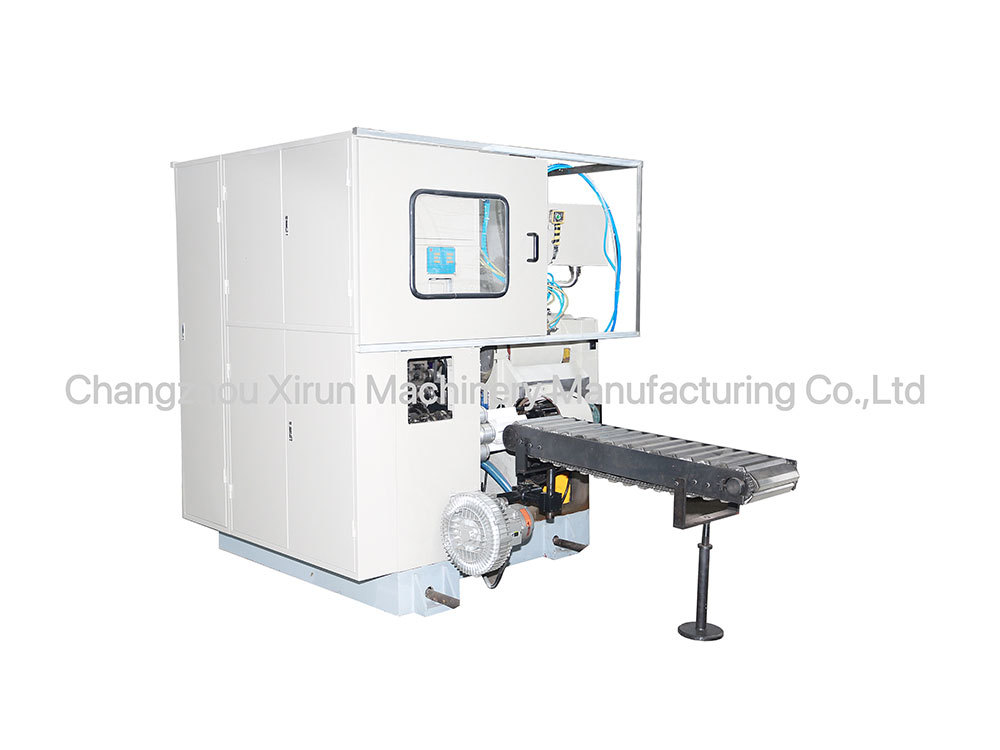
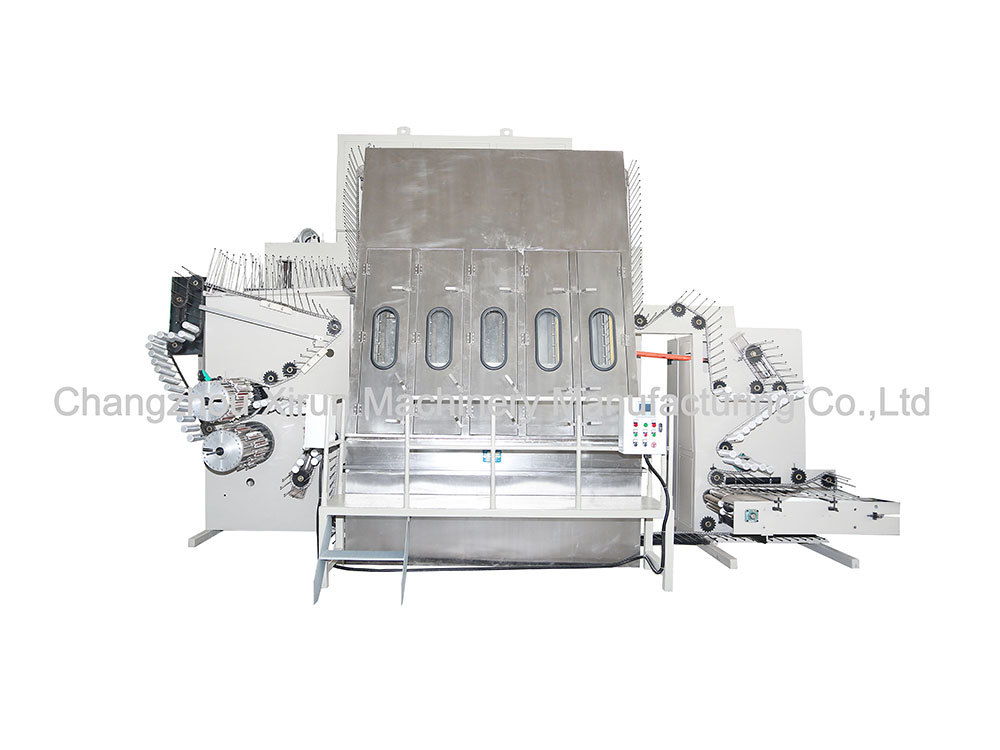
aluminum extrusion press machine
Latest Blog

Leave A Message
You can leave comments and suggestions to us here, and we will reply in time
Phone: +86-13671610042
Add: No. 18, Hengli Road, Xueyan Town, Wujin District, Changzhou City, Jiangsu Province

Whatsapp QR