


Exploring Multi-Color Printing Options for Custom Products: A Comprehensive Guide
Exploring Multi-Color Printing Options for Custom Products Table of Contents 1. Introduction to Multi-Color Printing 2. Importance of Multi-Color Printing in Custom Products 3. Popular Multi-Color Printing Techniques 3.1 Offset Printing 3.2 Digital Printing 3.3 Screen Printing 3.4 Flexographic Printing 3.5 Gravure Pr
Release time:
2026-11-10
Exploring Multi-Color Printing Options for Custom Products
Table of Contents
- 1. Introduction to Multi-Color Printing
- 2. Importance of Multi-Color Printing in Custom Products
- 3. Popular Multi-Color Printing Techniques
- 3.1 Offset Printing
- 3.2 Digital Printing
- 3.3 Screen Printing
- 3.4 Flexographic Printing
- 3.5 Gravure Printing
- 4. Choosing the Right Materials for Multi-Color Printing
- 5. Applications of Multi-Color Printing
- 6. Design Tips for Multi-Color Printing
- 7. Cost Factors in Multi-Color Printing
- 8. Future Trends in Multi-Color Printing
- 9. Frequently Asked Questions
- 10. Conclusion
1. Introduction to Multi-Color Printing
In the competitive market for custom products, **multi-color printing** has emerged as a pivotal technique that enhances visual appeal and brand identity. Unlike single-color printing, which can be limiting, multi-color printing allows for a wide spectrum of hues and shades, enabling businesses to create eye-catching designs that attract customers. This article delves into the various multi-color printing options available today, providing insights on how to choose the best method for your specific needs.
2. Importance of Multi-Color Printing in Custom Products
The impact of **multi-color printing** on custom products cannot be understated. It plays a significant role in:
- **Brand Recognition**: Vivid colors and unique designs help brands stand out in a crowded marketplace.
- **Consumer Engagement**: Products with vibrant multi-color designs tend to catch the eye, encouraging consumers to interact with the product.
- **Enhanced Visual Storytelling**: Colors evoke emotions and convey messages, making multi-color printing an effective tool for storytelling in marketing.
Incorporating multi-color printing into your product offerings elevates your brand and enhances the overall customer experience.
3. Popular Multi-Color Printing Techniques
There are several printing techniques available for creating multi-color designs, each with its unique advantages and applications. Understanding these methods helps in selecting the right option for your project.
3.1 Offset Printing
**Offset printing** is a traditional method widely used for high-volume printing. The process involves transferring ink from a plate to a rubber blanket, which then applies the ink to the printing surface. This technique is known for its excellent color accuracy and consistency, making it ideal for projects that require precise color matching.
**Pros**:
- High-quality output
- Cost-effective for large runs
- Wide range of paper options
**Cons**:
- Setup costs can be high for small runs
- Longer turnaround time
3.2 Digital Printing
**Digital printing** is a modern method that allows for on-demand printing without the need for traditional printing plates. This technique is highly versatile and can produce vibrant colors, making it suitable for both short and long runs of custom products.
**Pros**:
- Quick turnaround time
- Lower setup costs for small runs
- Flexibility in design changes
**Cons**:
- Higher cost per unit for large runs
- Limited paper options compared to offset
3.3 Screen Printing
**Screen printing** is a method commonly used for apparel and promotional products. It involves creating a stencil (or screen) and using it to apply layers of ink directly onto the surface. This technique is ideal for bold designs and can produce vibrant colors.
**Pros**:
- Durable prints, ideal for textiles
- Suitable for large areas of color
- Cost-effective for bulk orders
**Cons**:
- Not as detailed as other methods
- Longer setup time
3.4 Flexographic Printing
**Flexographic printing** is a rotary printing method that employs flexible relief plates. It is widely used for packaging materials and labels, offering excellent speed and efficiency.
**Pros**:
- Fast production speeds
- Suitable for a variety of substrates
- High-quality printing for large runs
**Cons**:
- Higher initial setup costs
- Less effective for intricate designs
3.5 Gravure Printing
**Gravure printing** is a high-quality, high-speed printing method that uses etched cylinders to transfer ink onto the substrate. It is commonly used for magazines, packaging, and other high-volume prints.
**Pros**:
- Exceptional image quality
- High-speed production
- Suitable for large runs
**Cons**:
- High setup costs
- Not cost-effective for short runs
4. Choosing the Right Materials for Multi-Color Printing
Selecting the appropriate materials for your multi-color printing project is crucial. The choice of substrate can significantly impact the final output. Common materials include:
- **Paper**: Available in various weights and finishes, paper is versatile for printing brochures, flyers, and business cards.
- **Plastic**: Ideal for durable products like labels and packaging, plastic can withstand moisture and wear.
- **Textiles**: Fabrics such as cotton or polyester are commonly used for apparel printing, providing a soft feel and vibrant color retention.
- **Metal and Wood**: For specialty items, metal and wood can add a unique touch, although they require specific printing techniques.
Evaluate the intended use of the printed product to select the most suitable material.
5. Applications of Multi-Color Printing
Multi-color printing is utilized across a wide range of industries, each benefiting from enhanced visual appeal. Some common applications include:
- **Packaging**: Attractively designed packaging can drive sales and brand loyalty.
- **Promotional Merchandise**: Items like t-shirts, mugs, and tote bags benefit from vibrant designs that promote brand messaging.
- **Labels and Stickers**: Colorful labels can differentiate products on shelves and convey important information effectively.
- **Marketing Materials**: Brochures, flyers, and business cards with multi-color designs can leave a lasting impression on potential customers.
As businesses strive for creativity and innovation, the applications of multi-color printing continue to expand.
6. Design Tips for Multi-Color Printing
Creating effective designs for multi-color printing requires careful consideration. Here are some tips to ensure optimal results:
- **Color Theory**: Understand the basics of color theory to create harmonious designs. Utilize complementary colors to enhance visual appeal.
- **Resolution**: Ensure that all images and graphics are high-resolution (300 DPI) to avoid pixelation in the final print.
- **Layering**: Experiment with layering colors to add depth and dimension to your designs.
- **Mockups**: Create mockups to visualize how your designs will look in real life. This can help identify any adjustments needed before printing.
By following these design tips, you can maximize the impact of your multi-color printed products.
7. Cost Factors in Multi-Color Printing
Understanding the cost factors associated with multi-color printing is essential for budgeting your projects. Key considerations include:
- **Volume**: Larger print runs typically reduce the cost per unit, while small runs may incur higher setup fees.
- **Printing Method**: Different printing techniques have varying costs. Offset printing may be economical for large orders, whereas digital printing is better for short runs.
- **Material Selection**: The choice of substrate can also affect costs. Specialty materials may increase expenses but enhance product quality.
To make informed decisions, assess your budget against your project requirements.
8. Future Trends in Multi-Color Printing
As technology advances, the field of multi-color printing continues to evolve. Emerging trends to watch include:
- **Sustainable Printing**: Increasing demand for eco-friendly materials and processes is shaping the future of printing.
- **3D Printing**: Innovations in 3D printing provide opportunities for creating multi-color designs with depth and texture.
- **Personalization**: The ability to customize products using digital printing techniques is gaining traction, allowing for tailored customer experiences.
- **Automation**: Automation in the printing process is streamlining production and reducing costs, improving efficiency across the board.
These trends promise to shape the future landscape of multi-color printing, offering exciting possibilities for businesses.
9. Frequently Asked Questions
**Q1: What is the best printing method for small runs?**
A1: Digital printing is usually the best option for small runs due to its lower setup costs and quick turnaround time.
**Q2: How do I choose the right material for my printed products?**
A2: Consider the intended use and desired durability of the product. Common options include paper, plastic, textiles, and specialty materials.
**Q3: What are the advantages of offset printing?**
A3: Offset printing offers high-quality output, cost-efficiency for large runs, and a wide range of paper choices.
**Q4: Can I use multiple colors in screen printing?**
A4: Yes, screen printing can accommodate multiple colors, although each color requires a separate screen, which may increase production time and cost.
**Q5: How do I ensure my designs are print-ready?**
A5: Ensure your designs are high-resolution (300 DPI), use the correct color mode (CMYK), and create mockups to visualize the final product.
10. Conclusion
In conclusion, exploring **multi-color printing options** is essential for businesses aiming to enhance their custom products. By understanding the various printing techniques, materials, and design principles, you can make informed choices that elevate your brand's visibility and appeal. As technology advances and trends evolve, staying informed about the latest developments in multi-color printing will ensure your products remain competitive in the marketplace. Embrace the vibrant possibilities of multi-color printing and watch your custom products thrive.
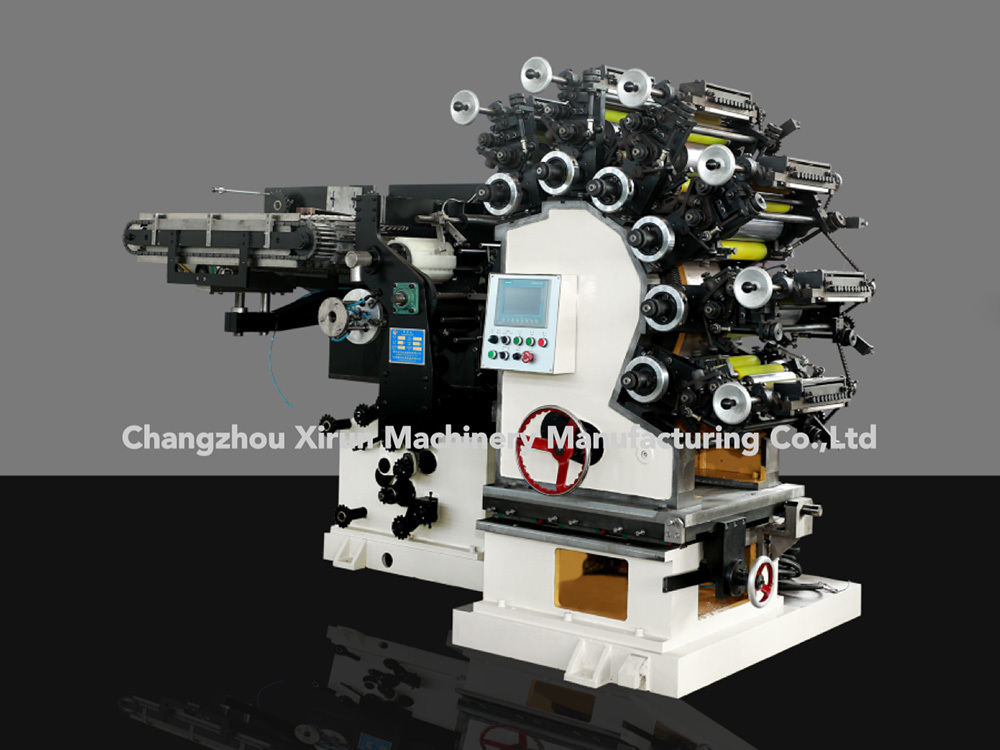
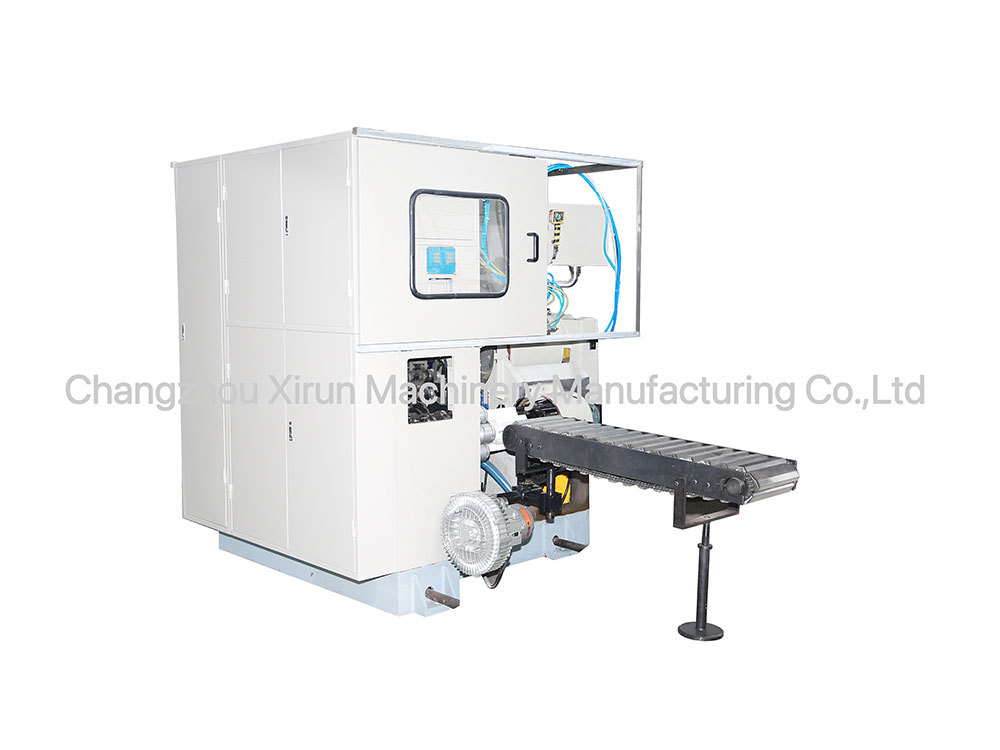
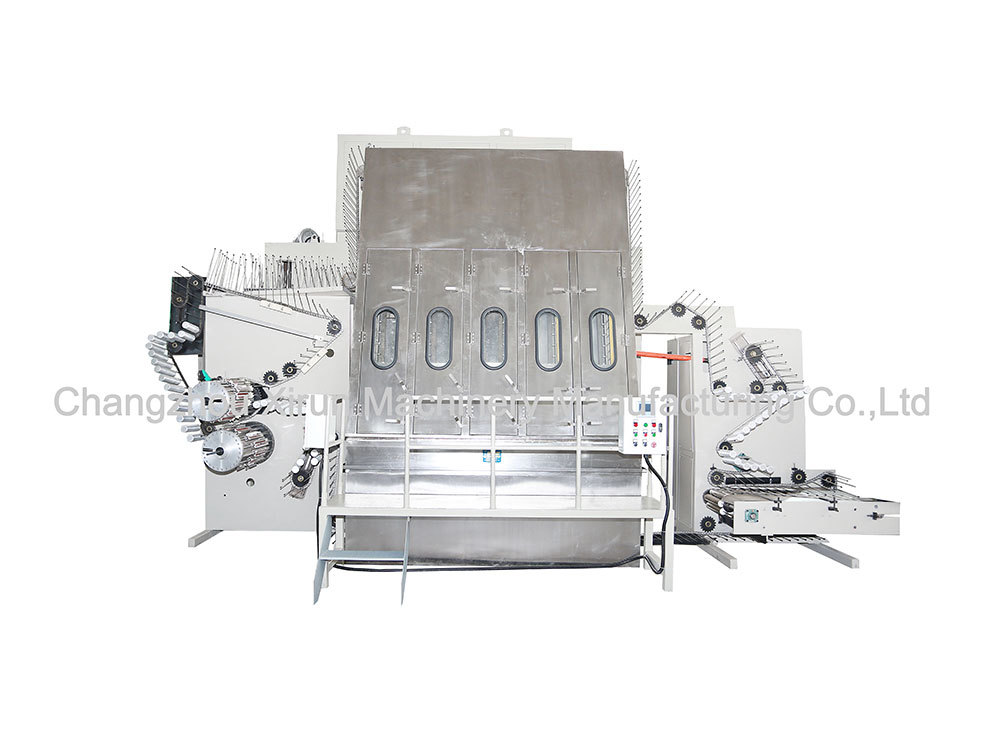
multi-color printing machine
Previous Page
Previous Page
Latest Blog
Leave A Message
You can leave comments and suggestions to us here, and we will reply in time
Phone: +86-13671610042
Add: No. 18, Hengli Road, Xueyan Town, Wujin District, Changzhou City, Jiangsu Province

Whatsapp QR