


Mastering the Art of Precision: The Essential Role of Trimming Machines in Metal Packaging
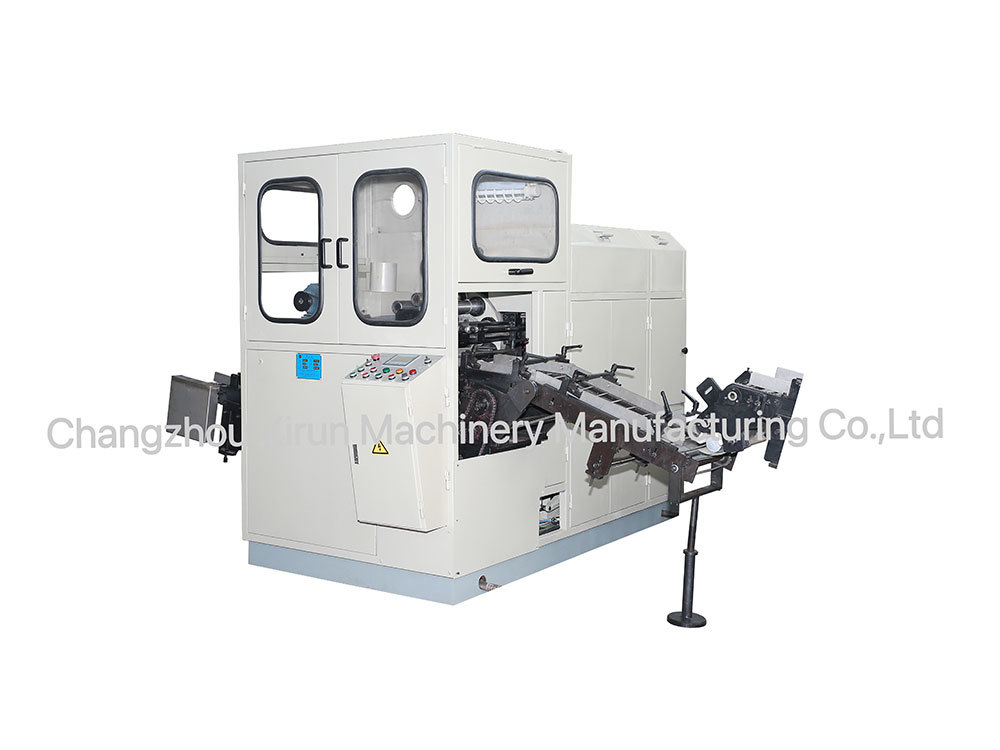
In the packaging industry, especially when dealing with metal materials such as aluminum and aluminum alloys, the role of trimming machines cannot be overstated. These machines are essential for achieving precision cuts and ensuring the quality of the final product. Trimming machines are designed to cut, shape, and trim metal sheets or components, making them vital tools in the manufacturing of pa
Release time:
2026-11-19
One significant advantage of using trimming machines is their ability to produce clean, precise cuts. In the metal packaging sector, where accuracy is paramount, a trimming machine can reduce the margin of error that often occurs with manual cutting methods. This precision ensures that the dimensions of the packaging are consistent, which is crucial for successful assembly and sealing processes.
Moreover, trimming machines contribute to increased efficiency in production. With the ability to process materials at a rapid pace, these machines can handle high volumes of work, significantly reducing production times. This is particularly beneficial in a competitive market where time-to-market is critical. By automating the trimming process, manufacturers can allocate more time to other essential aspects of production, thereby enhancing overall workflow.
It’s also important to consider the types of trimming machines available in the market. Various models are designed to cater to different needs, from simple manual devices to advanced CNC (Computer Numerical Control) machines. CNC trimming machines, for instance, offer superior versatility and can be programmed for complex designs, making them ideal for intricate packaging requirements. This adaptability means that manufacturers can respond quickly to changing market demands without compromising on quality.
When selecting a trimming machine, one must also consider the compatibility with the material being processed. Aluminum and aluminum alloys possess unique properties that must be accounted for to avoid issues such as deformation or material waste. Ensuring that the trimming machine is specifically designed or adequately equipped to handle these metals is crucial for achieving optimal results.
Lastly, maintenance of trimming machines is vital to ensure their longevity and consistent performance. Regular checks and timely servicing can help identify potential issues before they escalate, thereby minimizing downtime and maintaining productivity.
In conclusion, trimming machines are an integral part of the metal packaging industry, particularly when working with aluminum and aluminum alloys. Their precision, efficiency, and versatility make them indispensable for manufacturers aiming to deliver high-quality products. By understanding the various options available and considering the specific needs of your production process, you can effectively leverage trimming machines to enhance your packaging capabilities.
trimming machine
Previous Page
Previous Page
Latest Blog
Leave A Message
You can leave comments and suggestions to us here, and we will reply in time
Phone: +86-13671610042
Add: No. 18, Hengli Road, Xueyan Town, Wujin District, Changzhou City, Jiangsu Province

Whatsapp QR