


Aluminum Can Production Line Expands as Sustainable Packaging Demand Accelerates
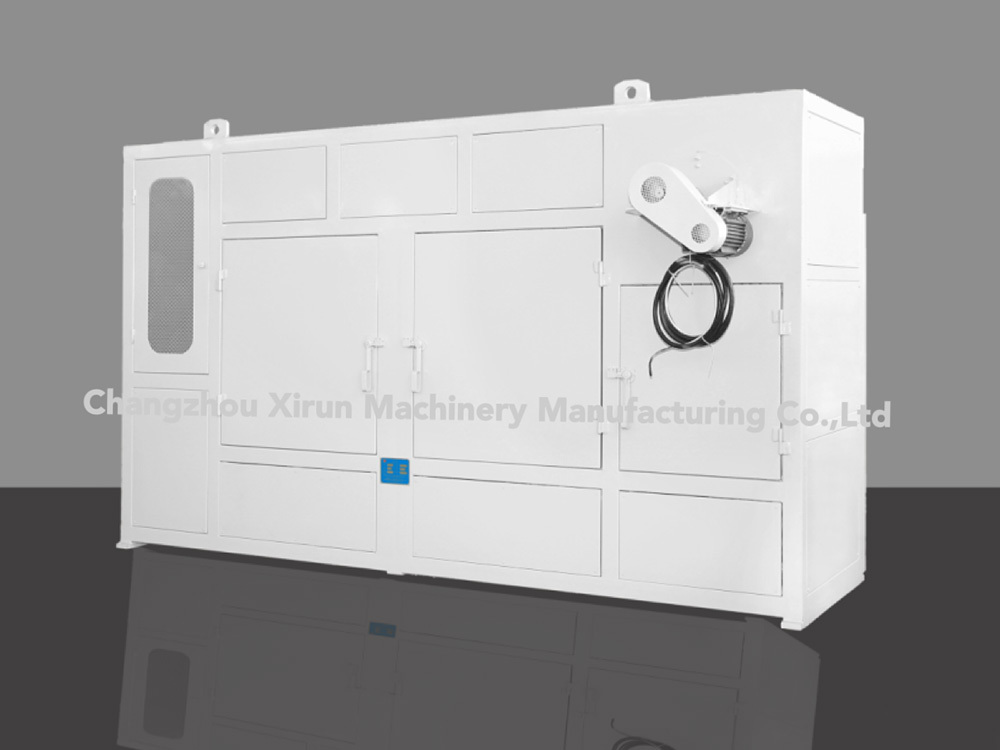
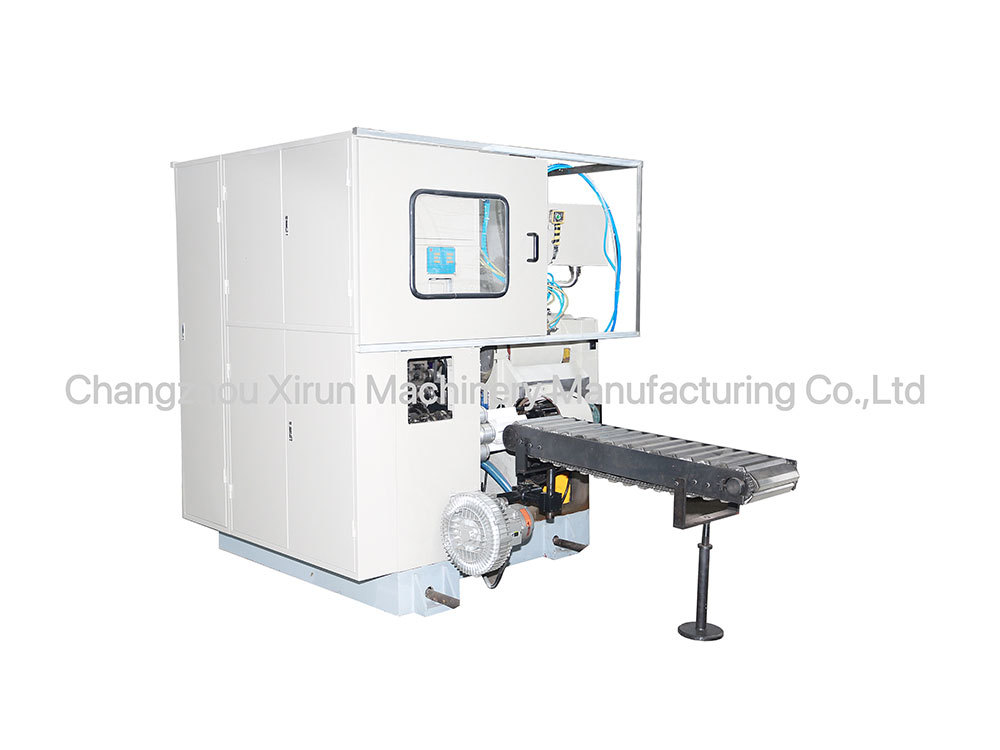
Aluminum can production line supports high-speed forming, printing, and shaping for efficient beverage can manufacturing
Release time:
2026-01-26
The global packaging industry is experiencing a major transformation driven by sustainability, efficiency, and circular economy goals. Within this shift, the Aluminum can production line has become a critical solution for beverage manufacturers seeking environmentally friendly and high-performance packaging. As consumer preference moves toward recyclable materials and governments strengthen environmental regulations, aluminum cans and their production lines are seeing rapid growth worldwide.
Aluminum cans are widely recognized for their recyclability and low environmental impact. Unlike many other packaging materials, aluminum can be recycled repeatedly without losing quality. This advantage has pushed beverage brands to increase investment in aluminum can production lines to meet growing demand for canned drinks, including soft drinks, beer, energy drinks, and ready-to-drink beverages. Modern aluminum can production lines are designed to support high-speed, large-scale manufacturing while maintaining strict quality standards.
A standard aluminum can production line integrates multiple automated processes, including cup feeding, body forming, ironing, trimming, washing, printing, coating, necking, and flanging. Each stage is carefully synchronized to ensure smooth operation and consistent output. Advanced control systems allow manufacturers to monitor key parameters such as thickness, height, and surface quality in real time, reducing material waste and improving overall production efficiency.
Technological innovation is playing a significant role in the evolution of aluminum can production lines. New equipment features improved servo control, energy-efficient motors, and intelligent detection systems. These upgrades help reduce power consumption, minimize downtime, and enhance product consistency. In addition, digitalization and data integration enable predictive maintenance, allowing operators to identify potential issues before they lead to production interruptions.
The beverage industry remains the primary driver of aluminum can production line expansion. With changing lifestyles and rising demand for convenient, portable packaging, canned beverages continue to gain market share. Aluminum cans offer excellent barrier properties, protecting products from light, oxygen, and contamination, which helps extend shelf life and preserve taste. As a result, beverage producers are upgrading existing production lines or installing new ones to increase capacity and flexibility.
Sustainability considerations are further accelerating investment in aluminum can production lines. Manufacturers are adopting lightweight can designs to reduce material usage while maintaining strength and performance. Production lines are being optimized to handle thinner aluminum sheets, requiring higher precision and advanced process control. At the same time, water-saving washing systems and eco-friendly coating technologies are being integrated to reduce environmental impact.
Regional market trends show strong growth in Asia-Pacific, driven by expanding beverage consumption, urbanization, and manufacturing capacity. Countries such as China, India, and Southeast Asian nations are investing heavily in aluminum can production lines to support domestic demand and export markets. Meanwhile, North America and Europe continue to modernize production lines with a focus on energy efficiency, automation, and compliance with environmental standards.
Beyond beverages, aluminum can production lines are also finding opportunities in food, aerosol, and industrial packaging applications. This diversification is encouraging equipment suppliers to develop more flexible and modular production lines that can adapt to different can sizes and specifications. Customization and scalability have become key factors for manufacturers seeking long-term competitiveness.
Looking ahead, the aluminum can production line market is expected to maintain steady growth as sustainability, automation, and smart manufacturing continue to shape the packaging industry. By delivering high-speed output, consistent quality, and environmental benefits, aluminum can production lines are positioned as a cornerstone of modern packaging production. As technology advances and global demand rises, aluminum can production lines will play an increasingly important role in supporting efficient and sustainable packaging solutions worldwide.
Aluminum can production line
Previous Page
Previous Page
Latest Blog

Leave A Message
You can leave comments and suggestions to us here, and we will reply in time
Phone: +86-13671610042
Add: No. 18, Hengli Road, Xueyan Town, Wujin District, Changzhou City, Jiangsu Province

Whatsapp QR