


Understanding the Role of Aluminum Container Necking Machines in Metal Packaging
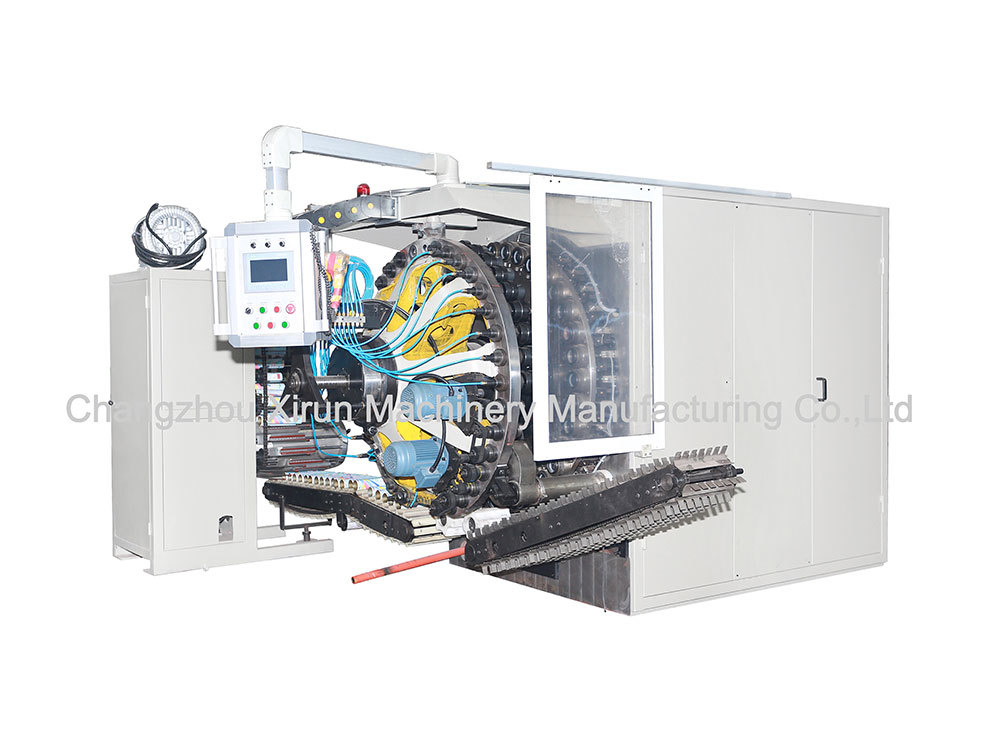
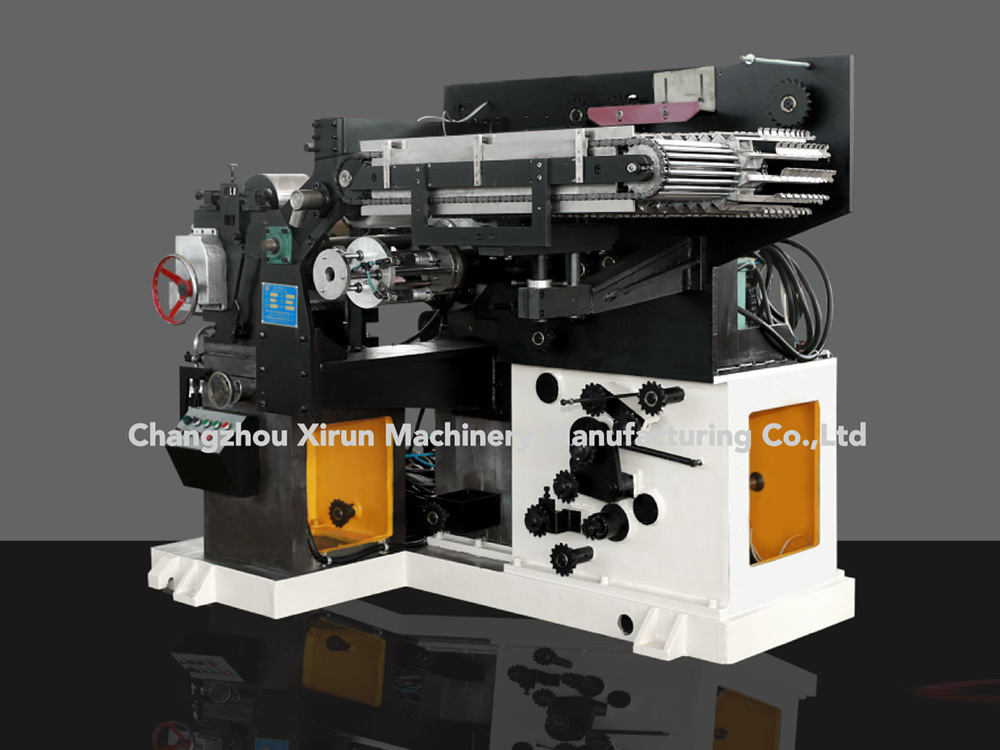
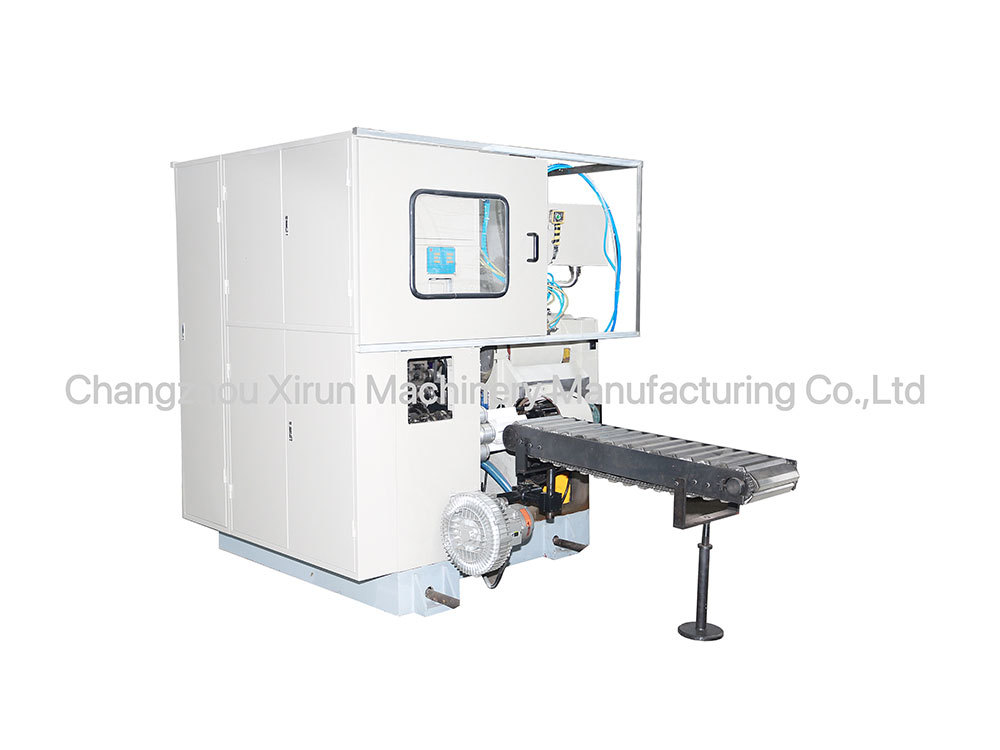
In the packaging and printing sector, particularly in the realm of metal packaging materials, the aluminum container necking machine plays a pivotal role in producing high-quality aluminum containers. Necking refers to the process of reducing the diameter of the container's neck to prepare it for closures or further packaging needs. This process is essential for ensuring that the containers mainta
Release time:
2026-03-07
Aluminum containers are widely used in various industries, including food and beverage, cosmetics, and pharmaceuticals. The necking machine facilitates the transition from a wider body to a narrower neck, which is critical for effective sealing and usability. The precision and efficiency of aluminum container necking machines help manufacturers achieve consistent results, reducing waste and improving overall production efficiency.
One of the primary advantages of using an aluminum container necking machine is the ability to enhance the container's design. A well-formed neck allows for a better fit with caps, lids, or other closure mechanisms. This not only improves the sealing process but also contributes to the aesthetic appeal of the product, which is crucial in highly competitive markets. Additionally, the necking process can be tailored to accommodate a variety of closure types, making these machines versatile tools for manufacturers.
Moreover, the technology behind aluminum container necking machines has evolved significantly in recent years. Modern machines often incorporate advanced automation and control systems, allowing for real-time monitoring and adjustments during the production process. This technological innovation leads to increased operational efficiency and reduced labor costs, as well as improved product quality through tighter tolerances and better consistency.
The environmental impact of aluminum containers is also a consideration in their production. Aluminum is a recyclable material, and the necking process is designed to minimize material wastage, contributing to a more sustainable manufacturing practice. Many companies are now focusing on eco-friendly packaging solutions, and the use of aluminum containers with efficient necking processes aligns well with these sustainability goals.
In summary, the aluminum container necking machine is an essential component in the production of high-quality aluminum packaging. Its ability to create perfectly formed necks not only enhances the functionality of the containers but also supports manufacturers in meeting market demands for quality and sustainability. As the packaging industry continues to evolve, investing in advanced necking technologies will be crucial for maintaining competitiveness and meeting the diverse needs of consumers.
aluminum container necking machine
Previous Page
Previous Page
Latest Blog
Leave A Message
You can leave comments and suggestions to us here, and we will reply in time
Phone: +86-13671610042
Add: No. 18, Hengli Road, Xueyan Town, Wujin District, Changzhou City, Jiangsu Province

Whatsapp QR