


Optimizing Your Production with Internal Lacquering Machines: Key Insights for the Metal Packaging Industry
In the metal packaging industry, particularly when dealing with aluminum and aluminum alloys, internal lacquering machines play a crucial role in enhancing product durability and aesthetics. These machines are designed to apply a protective lacquer to the internal surfaces of metal containers, ensuring that they remain resistant to corrosion, chemical reactions, and other environmental factors tha
Release time:
2026-03-27
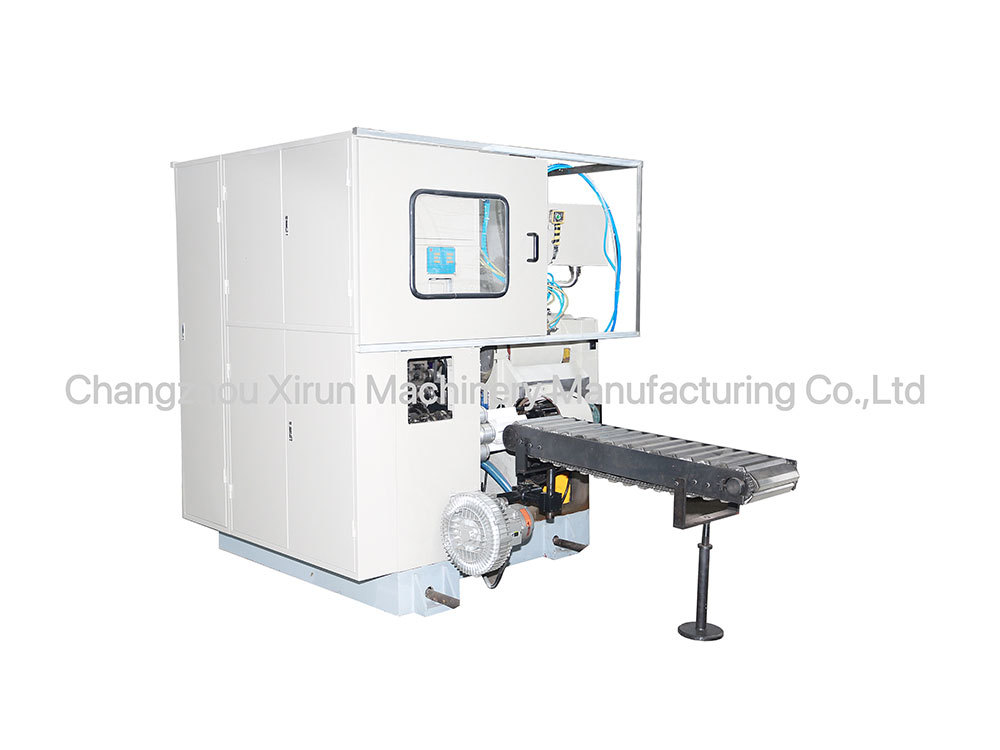
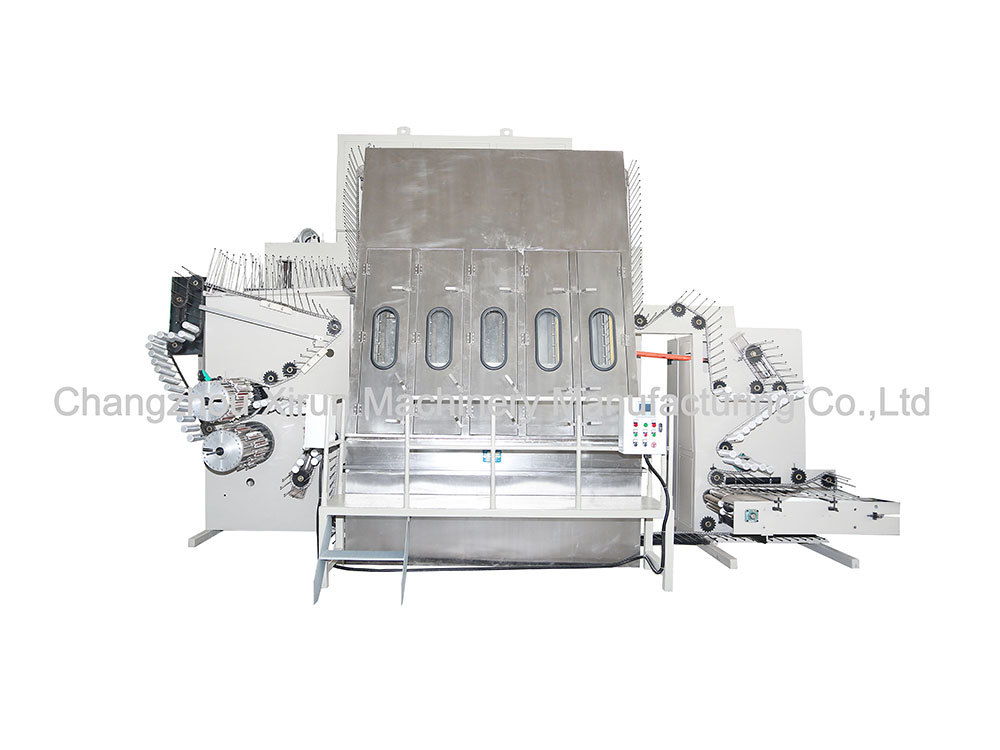
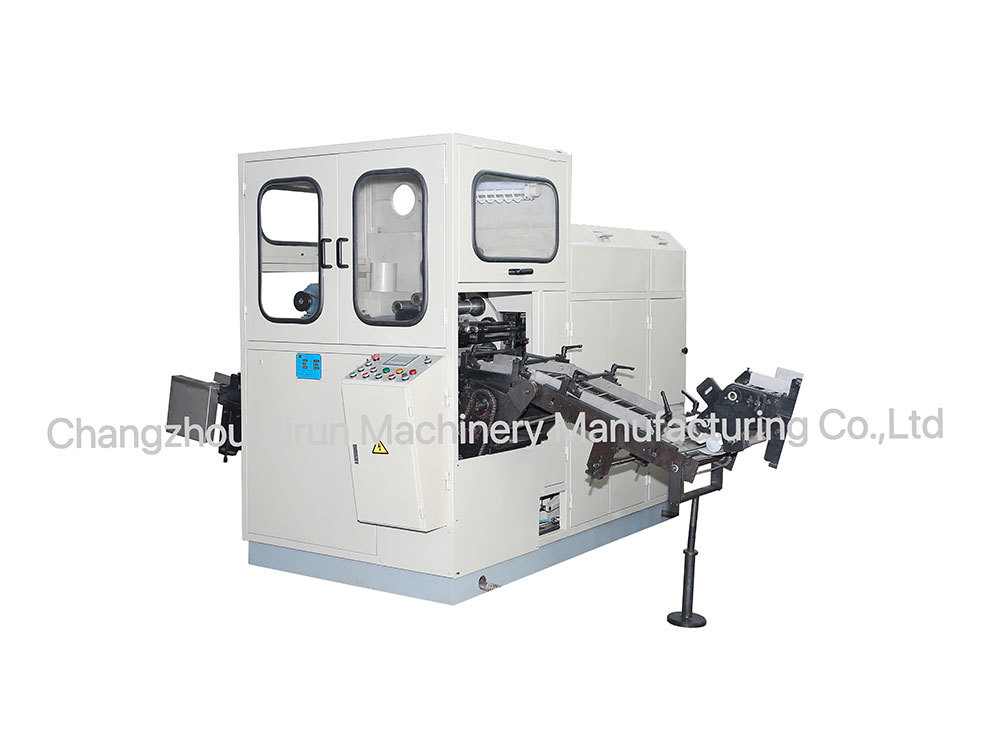
In the metal packaging industry, particularly when dealing with aluminum and aluminum alloys, internal lacquering machines play a crucial role in enhancing product durability and aesthetics. These machines are designed to apply a protective lacquer to the internal surfaces of metal containers, ensuring that they remain resistant to corrosion, chemical reactions, and other environmental factors that could compromise the integrity of the product inside.
One of the primary benefits of using internal lacquering machines is the enhancement of food safety and product longevity. By providing a barrier between the metal and its contents, these machines help to prevent any metallic taste or contamination, which is essential for food and beverage packaging. This not only complies with safety regulations but also boosts consumer confidence in the products.
In addition to safety, the use of internal lacquering machines contributes to the visual appeal of packaging. The lacquer application can improve the overall appearance of the metal containers, making them more attractive to consumers. This aesthetic enhancement can be particularly valuable in competitive markets where the packaging can influence purchasing decisions.
When considering the implementation of an internal lacquering machine, several factors should be taken into account to ensure optimal performance. The choice of lacquer is critical; it must be compatible with the intended product and meet industry standards for safety and performance. Moreover, machine efficiency is paramount. Investing in a machine that offers high throughput and quick changeover times can significantly reduce production downtime and enhance overall productivity.
Maintenance is another essential aspect to consider. Regular checks and upkeep will not only prolong the life of the internal lacquering machine but also ensure that it operates at peak efficiency. Understanding the specific maintenance requirements of the chosen machine can prevent unexpected breakdowns and costly repairs.
Furthermore, the integration of internal lacquering machines into existing production lines often requires careful planning. It's crucial to assess the layout of your facilities and ensure that the new machinery aligns with current workflows. Collaborating with experts in machine integration can facilitate a smoother transition and maximize the benefits of the new technology.
In conclusion, internal lacquering machines are indispensable assets in the aluminum packaging industry. They enhance product safety, improve aesthetic appeal, and contribute to operational efficiency. By carefully selecting the right machine and maintaining it properly, companies can significantly boost their production capabilities and deliver high-quality products to their customers. Understanding these machines' benefits and operational considerations is vital for professionals looking to stay competitive in the evolving packaging landscape.
One of the primary benefits of using internal lacquering machines is the enhancement of food safety and product longevity. By providing a barrier between the metal and its contents, these machines help to prevent any metallic taste or contamination, which is essential for food and beverage packaging. This not only complies with safety regulations but also boosts consumer confidence in the products.
In addition to safety, the use of internal lacquering machines contributes to the visual appeal of packaging. The lacquer application can improve the overall appearance of the metal containers, making them more attractive to consumers. This aesthetic enhancement can be particularly valuable in competitive markets where the packaging can influence purchasing decisions.
When considering the implementation of an internal lacquering machine, several factors should be taken into account to ensure optimal performance. The choice of lacquer is critical; it must be compatible with the intended product and meet industry standards for safety and performance. Moreover, machine efficiency is paramount. Investing in a machine that offers high throughput and quick changeover times can significantly reduce production downtime and enhance overall productivity.
Maintenance is another essential aspect to consider. Regular checks and upkeep will not only prolong the life of the internal lacquering machine but also ensure that it operates at peak efficiency. Understanding the specific maintenance requirements of the chosen machine can prevent unexpected breakdowns and costly repairs.
Furthermore, the integration of internal lacquering machines into existing production lines often requires careful planning. It's crucial to assess the layout of your facilities and ensure that the new machinery aligns with current workflows. Collaborating with experts in machine integration can facilitate a smoother transition and maximize the benefits of the new technology.
In conclusion, internal lacquering machines are indispensable assets in the aluminum packaging industry. They enhance product safety, improve aesthetic appeal, and contribute to operational efficiency. By carefully selecting the right machine and maintaining it properly, companies can significantly boost their production capabilities and deliver high-quality products to their customers. Understanding these machines' benefits and operational considerations is vital for professionals looking to stay competitive in the evolving packaging landscape.
internal lacquering machine
Latest Blog
Leave A Message
You can leave comments and suggestions to us here, and we will reply in time
Phone: +86-13671610042
Add: No. 18, Hengli Road, Xueyan Town, Wujin District, Changzhou City, Jiangsu Province

Whatsapp QR