


A Comprehensive Exploration of Advanced Multi-Color Printing Techniques
A Comprehensive Exploration of Advanced Multi-Color Printing Techniques Table of Contents Introduction to Multi-Color Printing A Brief History of Multi-Color Printing Different Multi-Color Printing Techniques Flexography: The Fast and Versatile Method Gravure Printing: High-Quality Production Offset Printing: The Traditional
Release time:
2026-03-29
A Comprehensive Exploration of Advanced Multi-Color Printing Techniques
Table of Contents
- Introduction to Multi-Color Printing
- A Brief History of Multi-Color Printing
- Different Multi-Color Printing Techniques
- Flexography: The Fast and Versatile Method
- Gravure Printing: High-Quality Production
- Offset Printing: The Traditional Workhorse
- Digital Printing: The New Frontier
- Screen Printing: A Time-Tested Technique
- Applications of Multi-Color Printing
- Advantages of Multi-Color Printing Techniques
- Challenges in Multi-Color Printing
- The Future of Multi-Color Printing
- Frequently Asked Questions
- Conclusion
Introduction to Multi-Color Printing
Multi-color printing has emerged as a critical technique in the printing industry, enabling businesses to produce vibrant, eye-catching materials. This technique utilizes various methods to apply multiple colors to a substrate, allowing for rich graphics and intricate designs. In today’s competitive market, mastering these techniques can set companies apart, ensuring that their printed materials attract attention and convey messages effectively.
A Brief History of Multi-Color Printing
The evolution of multi-color printing dates back to the early days of print technology. Initially, printing was a monochrome affair, with single-color ink dominating. The introduction of color printing began in the 19th century, driven by advancements in technology and ink formulations. As the demand for colorful advertising and packaging grew, so did the innovation in printing techniques, leading to the diverse array of multi-color printing methods we see today.
Different Multi-Color Printing Techniques
Understanding the various multi-color printing techniques is essential for selecting the right method for specific projects. Each method has its unique advantages and applications.
Flexography: The Fast and Versatile Method
Flexography is a widely-used printing technique in the packaging industry, known for its speed and versatility. Utilizing flexible relief plates, flexography can print on a variety of substrates, including plastic, paper, and foil. This method is particularly effective for long runs and can produce high-quality images with vibrant colors. It's commonly used for labels, bags, and food packaging.
Gravure Printing: High-Quality Production
Gravure printing involves engraving images onto a cylinder, allowing for precise ink application. This method excels in producing high-quality, detailed images, making it ideal for magazines, catalogs, and high-end packaging. While gravure is more expensive and less flexible compared to other methods, its ability to produce consistent quality over long runs makes it a preferred choice for certain applications.
Offset Printing: The Traditional Workhorse
Offset printing remains one of the most popular multi-color printing techniques, especially for commercial printing. This method transfers ink from a plate to a rubber blanket and then onto the printing surface. Offset printing is renowned for its ability to produce sharp, high-quality images and is suitable for large volumes. It's commonly used for brochures, books, and stationery.
Digital Printing: The New Frontier
Digital printing has transformed the industry by allowing for on-demand production and customization. Unlike traditional methods, digital printing doesn’t require plates, making it faster and more cost-effective for short runs. This technique is ideal for personalized marketing materials and small batches of high-quality prints, such as business cards and flyers.
Screen Printing: A Time-Tested Technique
Screen printing involves pushing ink through a mesh screen to create designs. This technique is particularly popular for textiles, signage, and promotional products. Screen printing is versatile, allowing for bold colors and the use of various inks. While it may not be as efficient for small runs compared to digital printing, it remains a staple due to its durability and vibrant results.
Applications of Multi-Color Printing
Multi-color printing finds application across various industries, including:
- **Packaging**: Eye-catching food and beverage packaging that attracts consumers.
- **Advertising**: High-quality promotional materials such as flyers and posters.
- **Textiles**: Custom designs for apparel and merchandise.
- **Publishing**: Magazines and books that require vibrant images and illustrations.
Advantages of Multi-Color Printing Techniques
Implementing multi-color printing techniques comes with several advantages:
1. **Enhanced Visual Appeal**: Vibrant colors attract attention and enhance brand recognition.
2. **Increased Engagement**: Multi-color materials are more likely to engage customers, leading to higher conversion rates.
3. **Versatility**: Different techniques can be applied across various substrates, accommodating diverse projects.
4. **Quality and Consistency**: High-quality printing ensures that colors remain consistent across runs, maintaining brand integrity.
Challenges in Multi-Color Printing
Despite its benefits, multi-color printing also presents challenges:
- **Cost**: Some techniques, like gravure and offset, can be expensive due to initial setup and materials.
- **Complexity**: Managing color registration and ensuring accuracy can be challenging, especially in high-speed environments.
- **Environmental Concerns**: The use of certain inks and chemicals can raise sustainability issues, prompting the need for eco-friendly alternatives.
The Future of Multi-Color Printing
As technology advances, the future of multi-color printing looks promising. Innovations such as eco-friendly inks, automated processes, and hybrid printing techniques are expected to enhance efficiency and reduce environmental impact. Furthermore, the integration of augmented reality in print materials may revolutionize how consumers interact with printed content, creating immersive experiences.
Frequently Asked Questions
1. What is multi-color printing?
Multi-color printing refers to the process of applying multiple colors to a substrate using various printing techniques, allowing for vibrant and detailed designs.
2. What are the most common multi-color printing techniques?
The most common techniques include flexography, gravure, offset, digital, and screen printing, each with its unique advantages and applications.
3. How can I choose the right printing technique for my project?
Consider factors such as the volume of prints needed, the substrate to be printed on, the required quality, and your budget to determine the best printing method.
4. Is digital printing suitable for large runs?
While digital printing is excellent for short runs and customization, it can be less cost-effective for large quantities compared to traditional methods like offset printing.
5. What are eco-friendly options in multi-color printing?
Eco-friendly printing options include using soy-based inks, recycled substrates, and sustainable printing practices that reduce waste and energy consumption.
Conclusion
Multi-color printing techniques play a vital role in today's printing industry, offering businesses the ability to create visually appealing and impactful materials. By understanding the various methods available and their respective advantages and challenges, companies can make informed decisions that enhance their marketing efforts and brand presence. As technology continues to evolve, the future of multi-color printing is set to become even more innovative and sustainable, ensuring it remains a cornerstone of effective communication in the visual world.
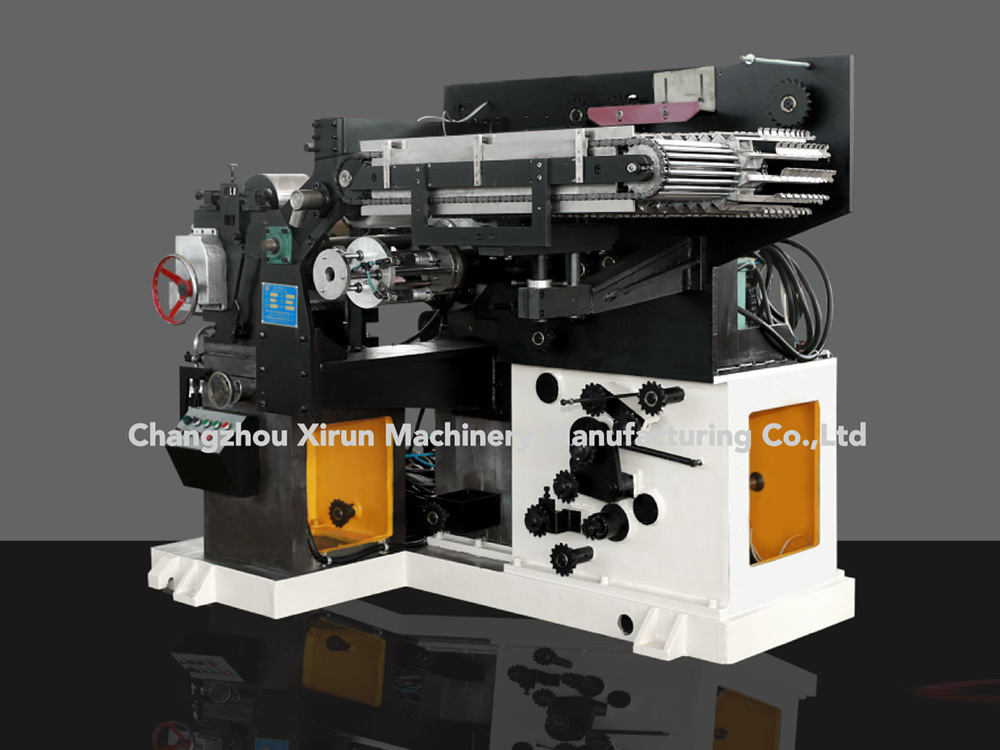
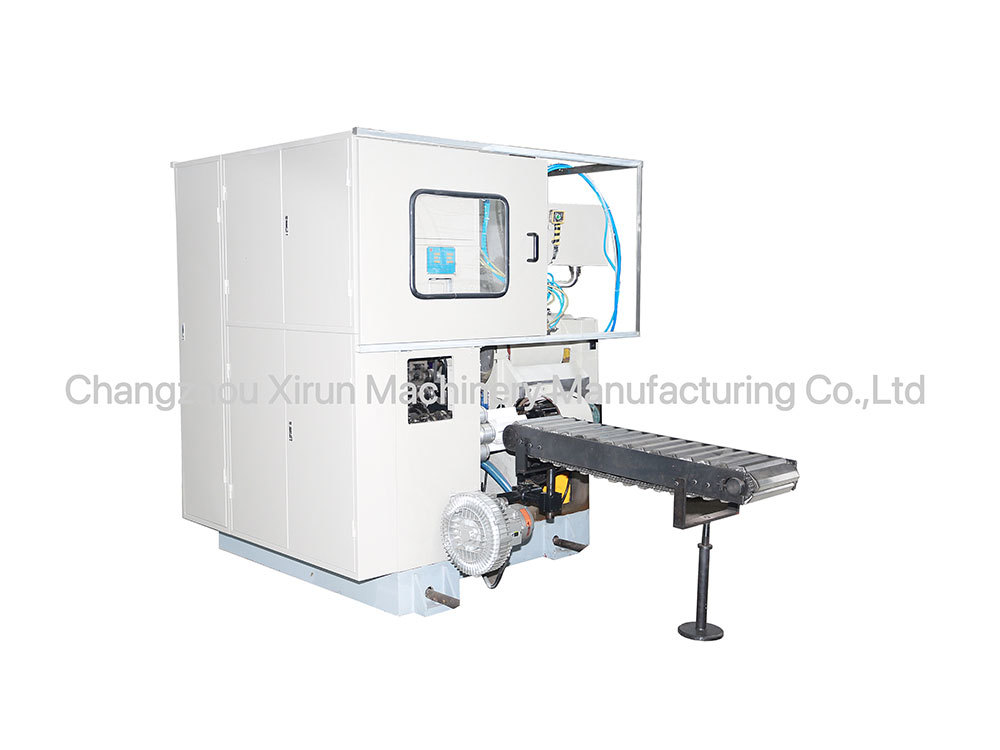
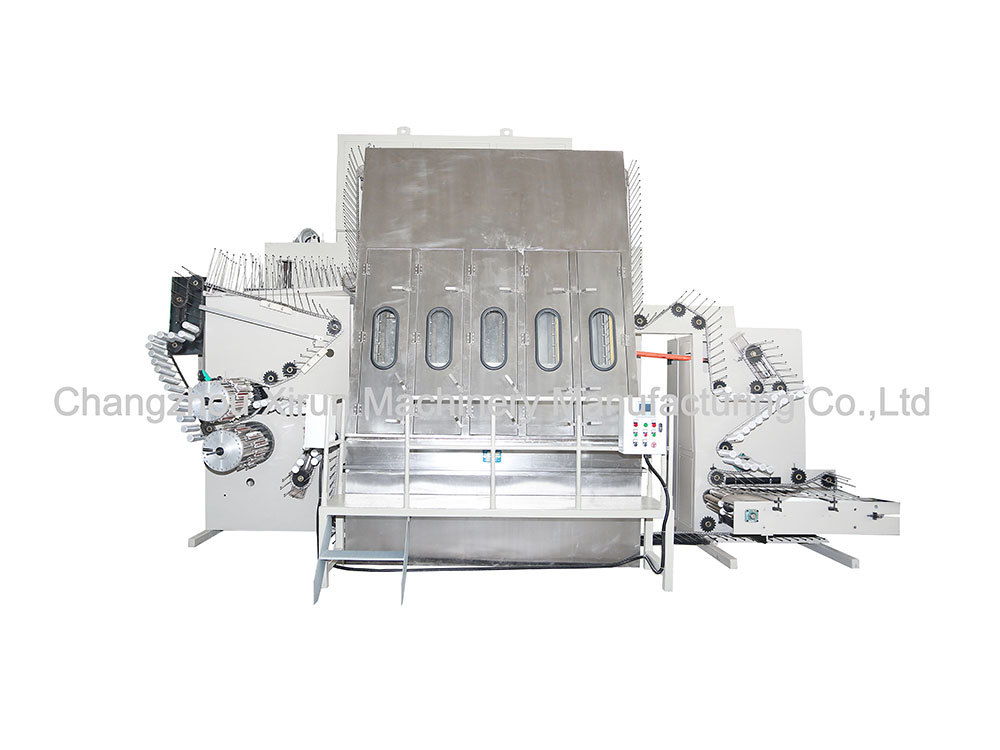
multi-color printing machine
Previous Page
Latest Blog
Leave A Message
You can leave comments and suggestions to us here, and we will reply in time
Phone: +86-13671610042
Add: No. 18, Hengli Road, Xueyan Town, Wujin District, Changzhou City, Jiangsu Province

Whatsapp QR