


Understanding the Role of Aluminum Container Necking Machines in Metal Packaging
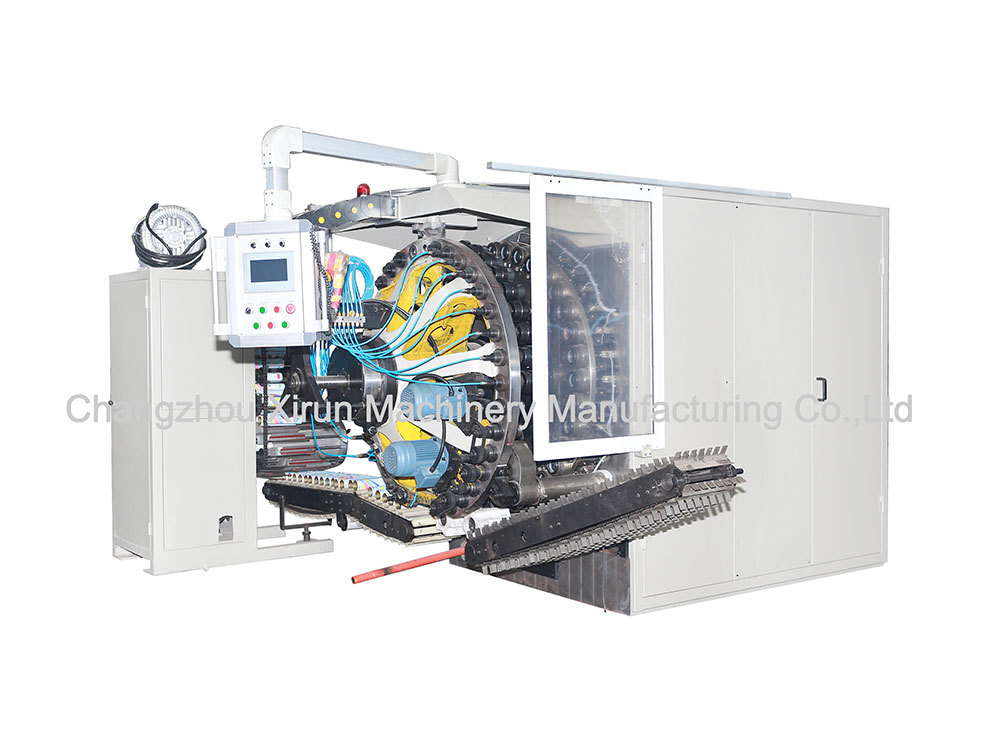
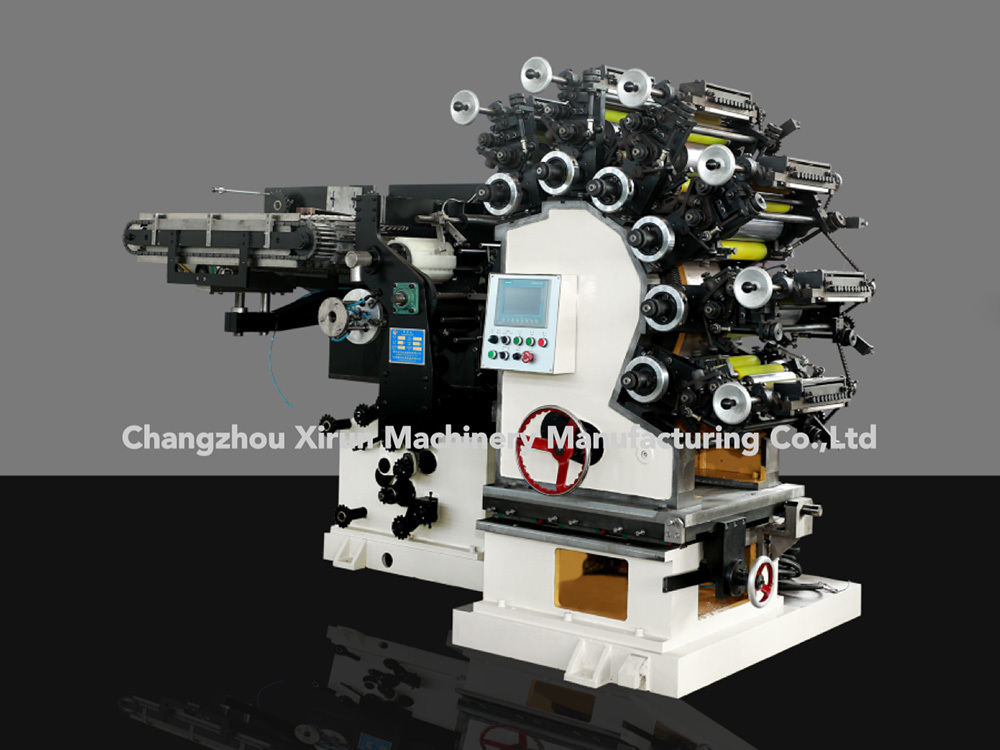
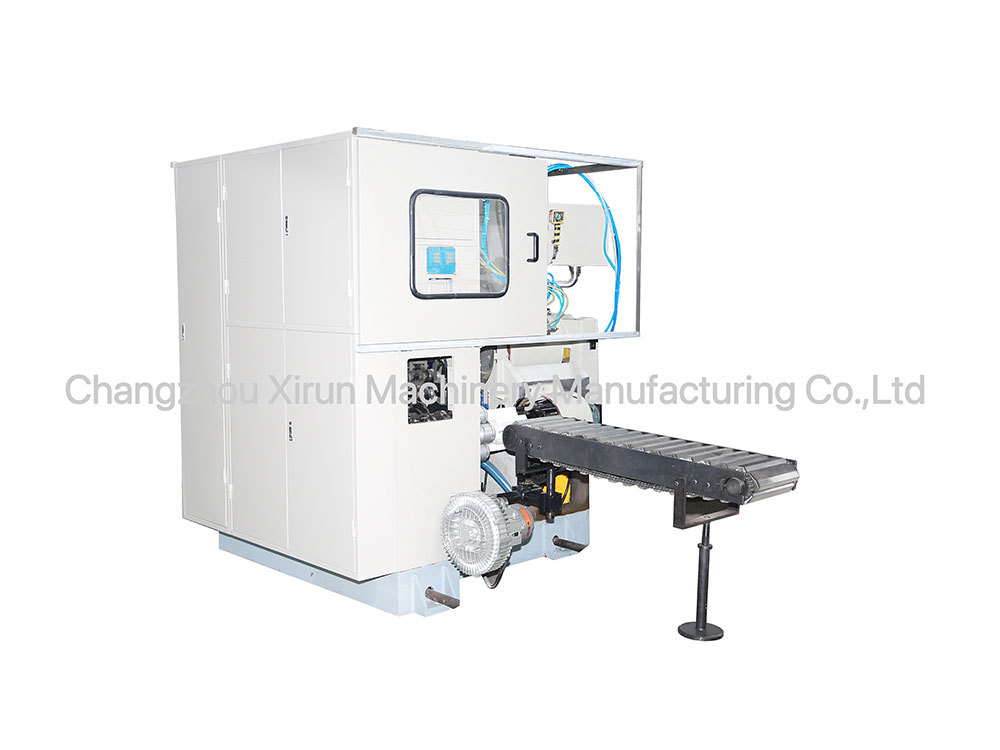
In the realm of metal packaging, particularly with aluminum and aluminum alloys, the role of an aluminum container necking machine is crucial for optimizing product design and fabrication. Necking is a mechanical process that involves reducing the diameter of the container's neck, a key feature for enhancing functionality and aesthetics in packaging applications. Aluminum container necking machine
Release time:
2026-08-16
In the realm of metal packaging, particularly with aluminum and aluminum alloys, the role of an aluminum container necking machine is crucial for optimizing product design and fabrication. Necking is a mechanical process that involves reducing the diameter of the container's neck, a key feature for enhancing functionality and aesthetics in packaging applications.
Aluminum container necking machines utilize advanced technology to precisely form the neck of aluminum containers, typically used for products like beverages, food items, and various consumer goods. This process not only improves the overall strength and integrity of the container but also facilitates a better seal, which is vital for maintaining product freshness and safety. By applying controlled pressure and heat, these machines can achieve the desired neck dimensions without compromising the material’s structural properties.
One of the primary advantages of employing aluminum container necking machines is their efficiency in high-volume production settings. These machines are designed for quick setup and operation, allowing manufacturers to reduce cycle times significantly while maintaining high quality. Moreover, the precision offered by modern necking machines minimizes material waste, contributing to cost savings and sustainability in production processes.
In addition to efficiency, aluminum container necking machines also enhance the aesthetic appeal of packaging. A well-formed neck can accommodate various closure types, ensuring compatibility with caps and lids that complement the overall design of the product. This aspect is crucial in today’s competitive market, where packaging plays a significant role in branding and consumer attraction.
From a technological perspective, many modern aluminum container necking machines incorporate automation and smart technologies, enabling real-time monitoring and adjustments during the production process. This level of sophistication not only improves the output quality but also allows for data collection and analysis, which can inform future production strategies and innovations.
Furthermore, the durability of aluminum as a material makes it an excellent choice for container manufacturing. Aluminum containers are lightweight yet strong, resistant to corrosion, and recyclable, aligning well with environmental sustainability goals. The necking process further enhances the recyclability of these containers, as a well-designed neck can ensure that the container maintains its integrity throughout its lifecycle.
In conclusion, aluminum container necking machines are a vital component in the metal packaging sector. By enhancing the functional and aesthetic qualities of aluminum containers, these machines contribute significantly to production efficiency, product quality, and sustainability. Understanding their role is essential for industry professionals looking to stay competitive and innovative in a rapidly evolving market.
aluminum container necking machine
Latest Blog
Leave A Message
You can leave comments and suggestions to us here, and we will reply in time
Phone: +86-13671610042
Add: No. 18, Hengli Road, Xueyan Town, Wujin District, Changzhou City, Jiangsu Province

Whatsapp QR