


The Transformative Impact of Technology on Aluminum Extrusion Efficiency
The Transformative Impact of Technology on Aluminum Extrusion Efficiency Table of Contents Introduction to Aluminum Extrusion Technology Understanding the Aluminum Extrusion Process The Importance of Efficiency in Aluminum Extrusion Technological Advancements in Aluminum Extrusion The Role of Automation in Enhancing Efficiency Leveraging Data Analytics for Process Optimiza
Release time:
2026-08-19
The Transformative Impact of Technology on Aluminum Extrusion Efficiency
Table of Contents
- Introduction to Aluminum Extrusion Technology
- Understanding the Aluminum Extrusion Process
- The Importance of Efficiency in Aluminum Extrusion
- Technological Advancements in Aluminum Extrusion
- The Role of Automation in Enhancing Efficiency
- Leveraging Data Analytics for Process Optimization
- Sustainability and Environmental Impact of Technology
- Future Trends in Aluminum Extrusion Technology
- Conclusion
- FAQs About Aluminum Extrusion Technology
Introduction to Aluminum Extrusion Technology
The aluminum extrusion industry has seen significant growth over the past few decades, driven by increasing demand for lightweight and durable materials. With advancements in technology, manufacturers are now capable of producing high-quality aluminum products with enhanced efficiency. This article delves into the role of technology in enhancing aluminum extrusion efficiency, exploring the processes, innovations, and future trends that are shaping this dynamic field.
Understanding the Aluminum Extrusion Process
Aluminum extrusion is a process by which aluminum alloy is shaped into a desired cross-sectional profile by forcing it through a die. This method is widely used in various industries, including automotive, aerospace, construction, and packaging. The process begins with heating aluminum billets to a specific temperature, followed by using a hydraulic press to push the heated material through the die.
The ability to produce complex shapes with precise dimensions and smooth finishes makes aluminum extrusion a preferred method for many applications. However, achieving high efficiency in this process requires a deep understanding of both the material properties and the technological frameworks that govern the extrusion machinery.
The Importance of Efficiency in Aluminum Extrusion
Efficiency in aluminum extrusion directly impacts production costs, lead times, and overall competitiveness in the market. Reducing waste, minimizing energy consumption, and optimizing production cycles are critical elements that contribute to increased profitability. Enhanced efficiency not only helps manufacturers meet customer demands quickly but also allows them to take on larger orders without compromising quality.
Furthermore, efficient extrusion processes reduce the environmental footprint of production by lowering energy usage and waste generation. Hence, manufacturers are increasingly focusing on integrating technology into their extrusion processes to achieve these goals.
Technological Advancements in Aluminum Extrusion
Recent technological advancements have revolutionized the aluminum extrusion industry, leading to substantial improvements in efficiency. These innovations include:
1. Advanced Machinery and Equipment
Modern extrusion presses are equipped with state-of-the-art technology that enhances their performance. Features like predictive maintenance, automated settings, and adjustable speed controls allow for precise operation and reduce downtime.
2. Enhanced Die Design
The design of extrusion dies has evolved significantly, with simulation software enabling engineers to predict how the aluminum will flow through the die. This capability reduces trial-and-error during production, resulting in faster setup times and less material waste.
3. Improved Alloy Formulations
Innovation in alloy formulations leads to better material properties, such as increased strength and corrosion resistance, which in turn enhances the efficiency and quality of the extrusion process.
4. Real-time Monitoring Systems
Incorporating sensors and IoT devices into the extrusion process allows for real-time monitoring of critical parameters. This continuous oversight enables manufacturers to make immediate adjustments, ensuring optimal operation and preventing defects.
The Role of Automation in Enhancing Efficiency
Automation has become a cornerstone of modern aluminum extrusion, streamlining operations and reducing human error. Automated systems can handle repetitive tasks such as loading billets, operating presses, and unloading finished products, freeing up skilled workers for more complex roles.
1. Robotics in Extrusion
Robotic systems have been integrated into various stages of the extrusion process, from handling raw materials to packaging finished products. These systems increase speed and precision, reducing cycle times and the likelihood of injuries in the workplace.
2. Automated Quality Control
Utilizing artificial intelligence (AI) and machine learning, manufacturers can implement automated quality control systems that analyze products in real-time. This ensures that only high-quality extrusions reach the market, reducing returns and improving customer satisfaction.
Leveraging Data Analytics for Process Optimization
The integration of data analytics into the aluminum extrusion process offers valuable insights into production performance. By collecting and analyzing data from various stages of the process, manufacturers can identify bottlenecks, inefficiencies, and areas for improvement.
1. Predictive Analytics
Predictive analytics can forecast equipment failures and maintenance needs, allowing companies to schedule repairs during non-productive hours. This proactive approach minimizes downtime and improves overall equipment effectiveness.
2. Process Simulation Software
Simulation software enables manufacturers to model the extrusion process and test different variables without the need for physical trials. This not only saves time but also reduces material costs associated with prototyping.
Sustainability and Environmental Impact of Technology
As sustainability becomes increasingly important in manufacturing, technology plays a vital role in reducing the environmental impact of aluminum extrusion.
1. Energy Efficiency
Modern extrusion technologies are designed to optimize energy consumption, employing energy-efficient drives and regenerative braking systems that capture and reuse energy during the extrusion process.
2. Waste Reduction
Advanced processes minimize scrap and waste material, ensuring that more of the aluminum is utilized effectively. Techniques such as closed-loop recycling can further enhance sustainability by reusing scrap material in future extrusion runs.
Future Trends in Aluminum Extrusion Technology
Looking ahead, the aluminum extrusion industry is poised for continued evolution and advancement. Key trends include:
1. Increased Use of Artificial Intelligence
AI technologies will increasingly influence the extrusion process, enabling more intelligent machinery that can learn from past performance and optimize operations autonomously.
2. Smart Manufacturing
The shift towards Industry 4.0 will drive the adoption of smart manufacturing practices in aluminum extrusion, where interconnected machines and systems create a seamless production environment.
3. Expansion of Customization Capabilities
As demand for customized aluminum products grows, technology will play a crucial role in enabling quick and efficient customization without compromising lead times or cost.
Conclusion
The role of technology in enhancing aluminum extrusion efficiency cannot be overstated. With continuous advancements in machinery, automation, data analytics, and sustainability practices, manufacturers are better equipped to meet the demands of a rapidly changing market. As we embrace these innovations, the aluminum extrusion industry is set to achieve unprecedented levels of efficiency, quality, and environmental responsibility, paving the way for a more sustainable future.
FAQs About Aluminum Extrusion Technology
1. What is aluminum extrusion?
Aluminum extrusion is a manufacturing process that involves shaping aluminum alloy by forcing it through a die to create a desired cross-sectional profile.
2. How has technology improved aluminum extrusion efficiency?
Technology has enhanced aluminum extrusion through advanced machinery, automation, real-time monitoring, and data analytics, which collectively reduce waste, downtime, and production costs.
3. What role does automation play in aluminum extrusion?
Automation streamlines repetitive tasks, increases production speed, enhances precision, and allows skilled workers to focus on more complex tasks, improving overall efficiency.
4. How does data analytics benefit aluminum extrusion processes?
Data analytics provides insights into production performance, helps identify inefficiencies, and enables predictive maintenance, leading to optimized operations and reduced downtime.
5. What are the environmental benefits of modern aluminum extrusion technologies?
Modern technologies enhance energy efficiency, minimize waste generation, and promote recycling, contributing to a lower environmental footprint and more sustainable manufacturing practices.
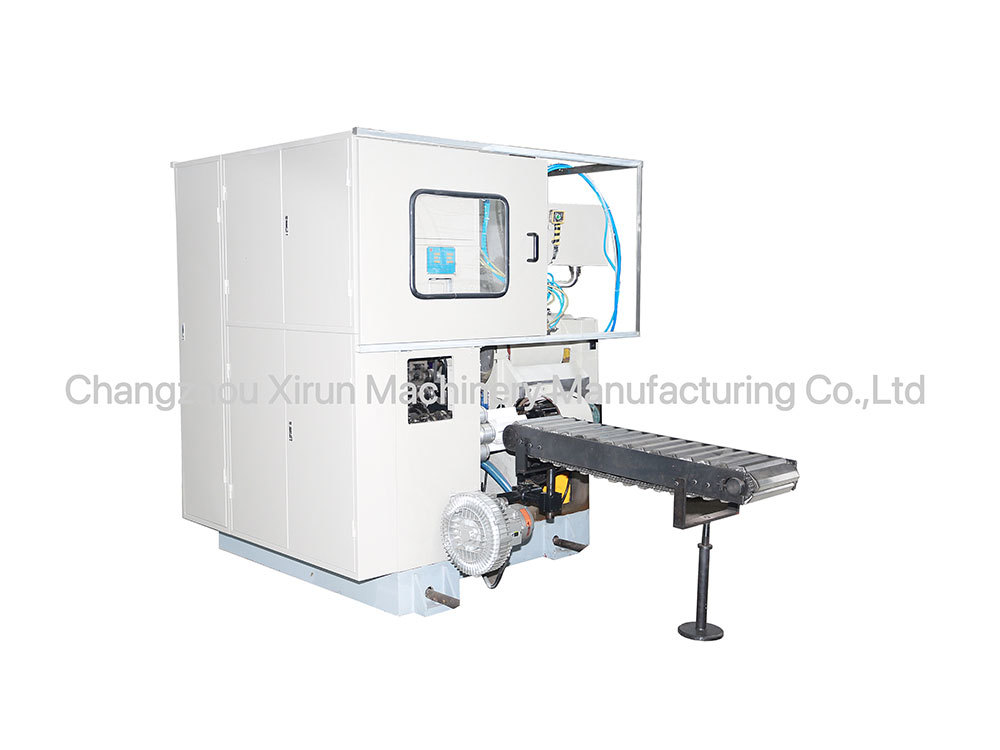
aluminum extrusion press machine
Latest Blog
Leave A Message
You can leave comments and suggestions to us here, and we will reply in time
Phone: +86-13671610042
Add: No. 18, Hengli Road, Xueyan Town, Wujin District, Changzhou City, Jiangsu Province

Whatsapp QR