


Understanding the Role of Internal Lacquering Machines in Metal Packaging
In the ever-evolving landscape of the packaging and printing industry, internal lacquering machines play a crucial role, particularly within the realm of metal packaging materials such as aluminum and aluminum alloys. These machines are engineered to provide a protective and decorative lacquer coating on the interior surfaces of metal containers, which is essential for ensuring product integrity a
Release time:
2026-03-15
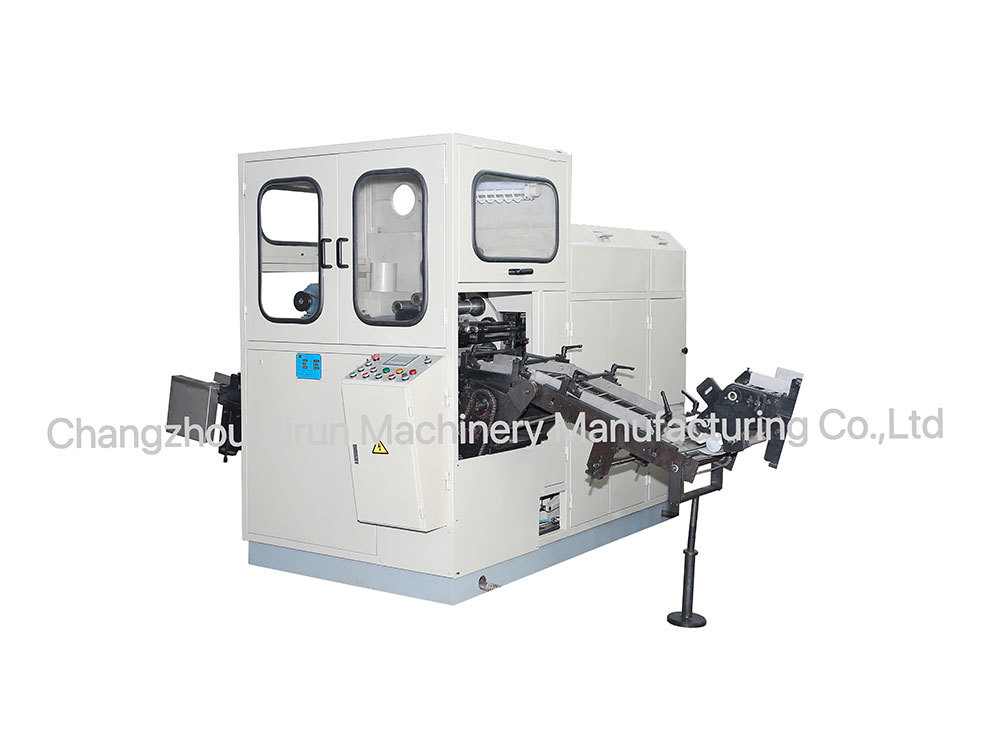
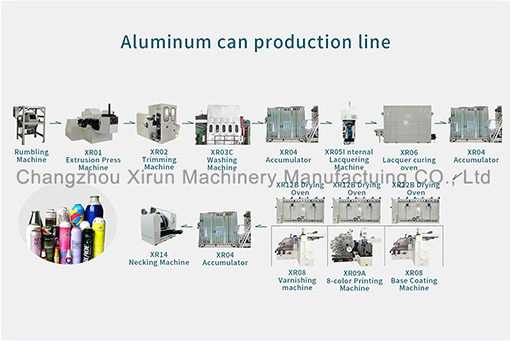
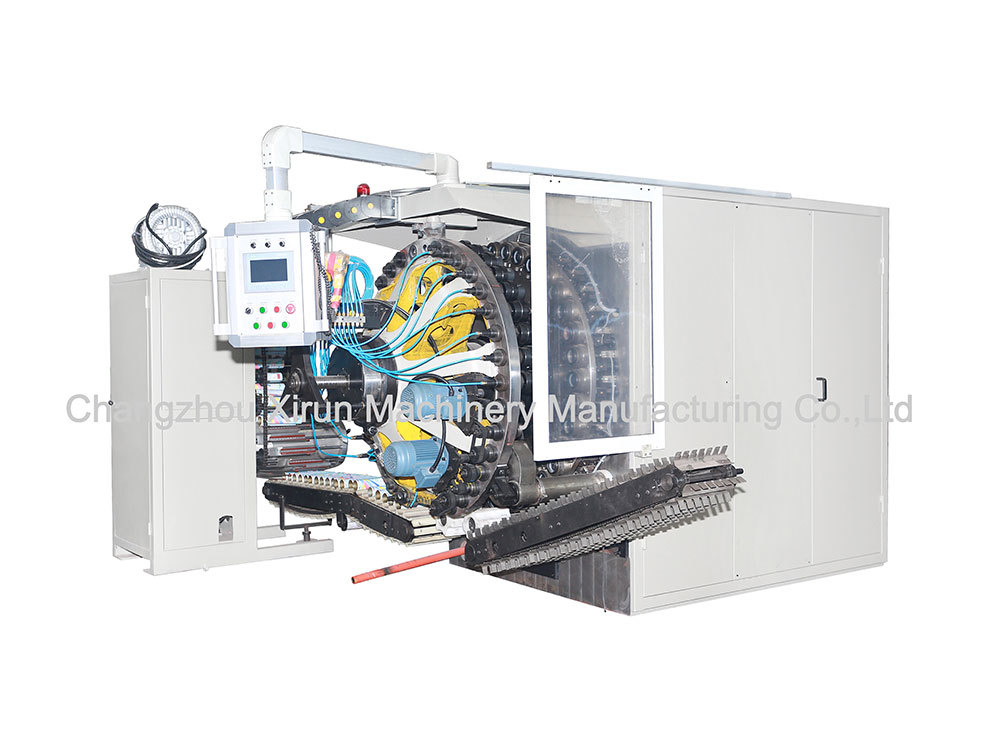
In the ever-evolving landscape of the packaging and printing industry, internal lacquering machines play a crucial role, particularly within the realm of metal packaging materials such as aluminum and aluminum alloys. These machines are engineered to provide a protective and decorative lacquer coating on the interior surfaces of metal containers, which is essential for ensuring product integrity and enhancing visual appeal.
The primary function of an internal lacquering machine is to apply a uniform layer of lacquer that protects the metal substrate from corrosion and chemical reactions, especially when containing food or beverages. Metal containers, particularly those made from aluminum, are increasingly popular due to their lightweight nature and recyclability. However, without adequate protection, these containers can interact unfavorably with their contents, leading to contamination and spoilage. Internal lacquering machines eliminate these risks by providing a barrier that not only safeguards the product but also maintains its quality over time.
Moreover, the application process used by internal lacquering machines promotes efficiency and precision. These machines utilize advanced spraying or roller coating techniques that allow for consistent coverage across various container shapes and sizes. This automation reduces human error, increases production speed, and minimizes material waste, making it a valuable asset in any manufacturing line.
Additionally, internal lacquering contributes to branding and marketing efforts. A well-lacquered container can enhance the overall appearance of a product, making it more visually appealing to consumers. This aesthetic enhancement is vital in a competitive market where product differentiation is key to attracting customers. Manufacturers often have the option to customize the lacquer finish, incorporating colors and finishes that align with their brand identity.
In terms of maintenance and operational considerations, it's important for businesses to regularly service and calibrate their internal lacquering machines to ensure optimal performance. Routine checks can prevent downtime and maintain consistent quality in the lacquer application. Training operators on the specifics of machine handling and maintenance can also significantly improve the efficiency and lifespan of the equipment.
In conclusion, internal lacquering machines are indispensable in the metal packaging industry, particularly for aluminum and aluminum alloys. They not only provide essential protective qualities to metal containers but also enhance product appeal and operational efficiency. Investing in high-quality internal lacquering technology can ultimately lead to better product quality and increased market competitiveness. Understanding the capabilities and benefits of these machines is crucial for any business looking to excel in the packaging and printing domain.
The primary function of an internal lacquering machine is to apply a uniform layer of lacquer that protects the metal substrate from corrosion and chemical reactions, especially when containing food or beverages. Metal containers, particularly those made from aluminum, are increasingly popular due to their lightweight nature and recyclability. However, without adequate protection, these containers can interact unfavorably with their contents, leading to contamination and spoilage. Internal lacquering machines eliminate these risks by providing a barrier that not only safeguards the product but also maintains its quality over time.
Moreover, the application process used by internal lacquering machines promotes efficiency and precision. These machines utilize advanced spraying or roller coating techniques that allow for consistent coverage across various container shapes and sizes. This automation reduces human error, increases production speed, and minimizes material waste, making it a valuable asset in any manufacturing line.
Additionally, internal lacquering contributes to branding and marketing efforts. A well-lacquered container can enhance the overall appearance of a product, making it more visually appealing to consumers. This aesthetic enhancement is vital in a competitive market where product differentiation is key to attracting customers. Manufacturers often have the option to customize the lacquer finish, incorporating colors and finishes that align with their brand identity.
In terms of maintenance and operational considerations, it's important for businesses to regularly service and calibrate their internal lacquering machines to ensure optimal performance. Routine checks can prevent downtime and maintain consistent quality in the lacquer application. Training operators on the specifics of machine handling and maintenance can also significantly improve the efficiency and lifespan of the equipment.
In conclusion, internal lacquering machines are indispensable in the metal packaging industry, particularly for aluminum and aluminum alloys. They not only provide essential protective qualities to metal containers but also enhance product appeal and operational efficiency. Investing in high-quality internal lacquering technology can ultimately lead to better product quality and increased market competitiveness. Understanding the capabilities and benefits of these machines is crucial for any business looking to excel in the packaging and printing domain.
internal lacquering machine
Latest Blog
Leave A Message
You can leave comments and suggestions to us here, and we will reply in time
Phone: +86-13671610042
Add: No. 18, Hengli Road, Xueyan Town, Wujin District, Changzhou City, Jiangsu Province

Whatsapp QR